

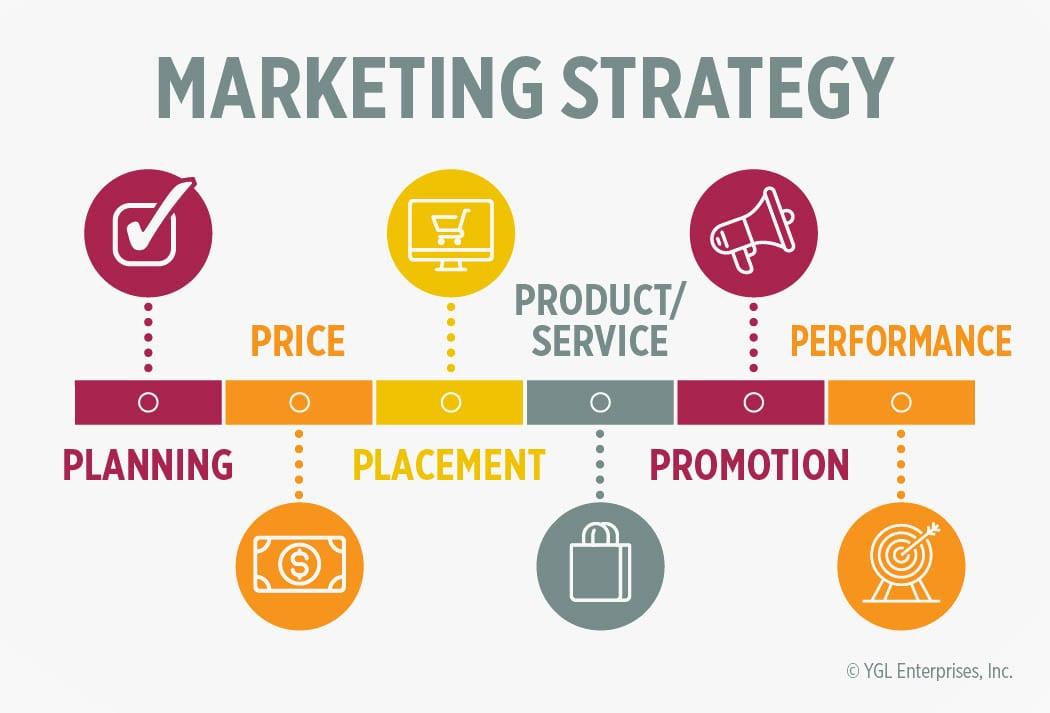
In today’s competitive real estate landscape, where market dynamics shift rapidly and consumer preferences evolve, adopting effective marketing strategies is paramount for achieving success. As agents and developers strive to differentiate their offerings, understanding the intricacies of targeted marketing becomes essential. This article delves into proven techniques and innovative approaches that real estate professionals can leverage to enhance visibility, attract potential buyers, and ultimately close deals.From harnessing the power of digital marketing to maximizing local connections, we will explore a thorough suite of strategies designed to elevate your real estate business in an ever-changing market. Join us as we unveil the key components that contribute to a robust marketing plan aimed at facilitating sustained growth and securing a competitive edge.
Table of Contents
- Targeted Audience Identification and Segmentation Techniques
- leveraging Digital Marketing Channels for Maximum Reach
- Building a Strong Brand Identity in the Real Estate Market
- Utilizing Data Analytics to Drive Informed Decision Making
- To Wrap It up
Targeted Audience Identification and Segmentation Techniques
Understanding your audience is crucial for prosperous marketing in real estate. By identifying specific demographics and psychographics, you can tailor your strategies to meet the needs and preferences of potential clients. Key factors to consider in audience identification include:
- Age Group: Diffrent age segments have unique housing needs, from young professionals seeking rentals to retirees looking for downsized homes.
- Income Level: Tailoring your offerings to different income brackets allows for more effective positioning of luxury properties or affordable housing.
- Family Dynamics: understanding whether your audience consists of singles, couples, families, or multi-generational individuals can guide your marketing narratives.
- Lifestyle Preferences: identifying lifestyle choices—like wellness-focused or urban-centric lifestyles—enables targeted messaging and property showcases.
Once you’ve identified your target audience, segmentation becomes essential. Segmenting your audience allows for more personalized marketing approaches.Effective segmentation strategies include:
| Segmentation Criteria | Description |
|---|---|
| Geographical Location | Focus on specific regions or neighborhoods where properties are located,highlighting local amenities and attractions. |
| Behavioral Segmentation | Utilize data on past buying behaviors and preferences to predict future buying patterns and personalize marketing efforts. |
| Professional Status | Target specific groups like first-time homebuyers, investors, or relocated professionals to create custom campaigns. |
Leveraging Digital Marketing Channels for Maximum Reach
To maximize the impact of your real estate marketing efforts, utilizing a variety of digital channels is essential. By integrating platforms, such as social media, email marketing, and search engine optimization (SEO), you can create a synergistic effect that boosts visibility and engagement. Consider the following channels to enhance your outreach:
- Social Media: Engage potential clients through targeted ads and insightful content on platforms like Instagram and Facebook.
- Email Campaigns: Develop tailored outreach strategies that provide valuable market insights and listings directly to your audience.
- SEO Optimization: Ensure your website is optimized for relevant keywords to attract organic traffic from search engines.
In addition to using diverse channels, it’s critical to analyze and refine your strategies based on performance metrics. Monitoring engagement rates, click-through rates, and conversion rates allows for data-driven decisions that can enhance future campaigns. Utilize the following table to track essential metrics for each channel:
| Channel | Engagement Rate (%) | Conversion Rate (%) |
|---|---|---|
| Social Media | 5.5 | 2.3 |
| Email marketing | 15.7 | 4.0 |
| SEO | 10.2 | 1.8 |
Building a Strong Brand Identity in the Real Estate Market
In a competitive real estate landscape, establishing a distinctive brand identity is paramount to standing out. Your brand should encapsulate what makes you unique, from your core values to your approach to client relationships. A consistent visual aesthetic across all platforms—including your website, social media, and printed materials—enhances recognition. Consider leveraging these elements to solidify your identity:
- logo Design: A memorable logo is the face of your brand.
- Color Palette: Choose colors that resonate with your target audience and convey the desired emotion.
- Tagline: Craft a compelling tagline that succinctly summarizes your mission.
- content Style: Maintain a consistent voice and tone across all communications.
Moreover, your brand identity should extend beyond aesthetics to foster connections with your audience. Engage with potential clients through storytelling, showcasing your expertise and approachability. Utilize social proof,such as testimonials and case studies,to build trust.Equally important is building an online presence that reflects your brand values,which can include:
| Online Presence Elements | Description |
|---|---|
| Website | Your central hub where potential clients can learn about your services. |
| Social Media | Platforms to engage with your audience and showcase listings. |
| Email Marketing | Personalized interaction that adds value and nurtures leads. |
Utilizing Data Analytics to Drive informed Decision Making
In today’s competitive real estate market, leveraging insights through data analytics is essential for crafting strategies that resonate with target audiences. by analyzing customer behavior, market trends, and property performance metrics, real estate professionals can make decisions grounded in factual evidence rather than intuition alone. Key benefits of implementing data analytics include:
- Enhanced Market Understanding: By utilizing advanced analytics,agents can identify emerging trends and shifts in consumer preferences.
- targeted Marketing Campaigns: Data allows for segmentation, ensuring promotions reach the moast relevant demographic.
- Performance Measurement: By tracking KPIs, businesses can pinpoint effective strategies and areas needing enhancement.
Moreover, integrating data analytics into decision-making processes can lead to critically important competitive advantages. Real estate firms can utilize predictive analytics to forecast market changes, optimizing their buying, selling, or leasing strategies accordingly. A simple overview of relevant metrics can be displayed in the following table:
| Metric | Importance |
|---|---|
| Average Days on Market | Indicates property demand and pricing strategy effectiveness. |
| Market Growth Rate | Helps in determining investment viability in specific locations. |
| Customer Acquisition Cost | Measures marketing efficiency and ROI for campaigns. |
To Wrap it up
implementing effective marketing strategies is essential for achieving success in the competitive real estate landscape. By understanding your target audience,embracing digital innovations,and leveraging data-driven insights,you can enhance your visibility and drive meaningful engagement. Whether through optimizing your online presence or utilizing conventional marketing channels, a well-rounded approach will enable you to build lasting relationships with clients and partners alike. As the market continues to evolve, staying adaptable and continuously assessing your strategies will position you for sustained growth and success. Invest in the right tools, stay informed about industry trends, and remain committed to delivering value. By doing so, you will not onyl strengthen your brand but also secure your place in the ever-changing realm of real estate.