

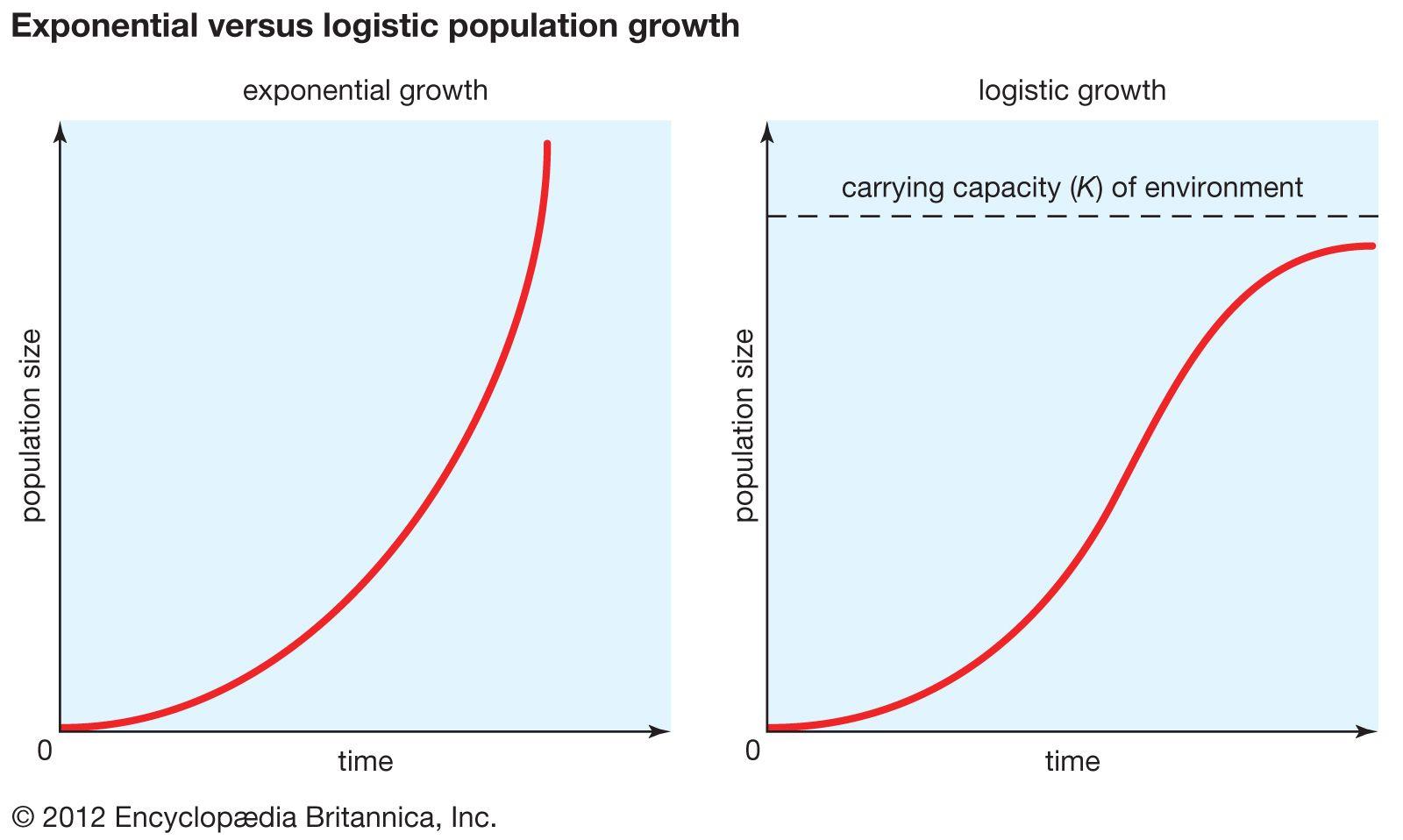
As cities expand and populations swell, the dynamics of real estate markets are undergoing significant transformations. The interplay between population growth and housing demand has emerged as a critical focus for developers, investors, and policymakers alike. This article delves into the multifaceted relationship between burgeoning populations and real estate trends, highlighting how demographic shifts influence housing prices, urban advancement, and community planning.by analyzing current data and trends, we aim too provide a comprehensive overview of how population growth is reshaping the landscape of real estate, with implications for sustainability, affordability, and the future of urban living. As we navigate these changes, understanding the forces at play is basic for anyone involved in the real estate sector.
Table of Contents
- understanding the Dynamics of Population Growth and Housing Demand
- Assessing the impact of urbanization on Real Estate Prices
- Strategies for Investors in High-Growth Areas
- Navigating Regulatory Changes in Response to Population Increases
- In Summary
Understanding the Dynamics of Population Growth and Housing Demand
The interplay between population growth and housing demand is a crucial aspect of real estate markets. As urban areas expand and more individuals migrate to cities in search of better opportunities, the strain on existing housing systems intensifies. this phenomenon often results in increased competition for available properties, driving up prices and exacerbating affordability issues. Key factors contributing to this dynamic include:
- Migration Patterns: Rural-to-urban movement and international immigration.
- Demographic Trends: Changes in household sizes, age distribution, and regional population density.
- Economic opportunities: Job creation in urban centers attracting a larger workforce.
- Infrastructure Development: Improvement of public transport and amenities directly influencing housing demand.
To illustrate the impact of population growth on housing demand, consider the following table that tracks population increases against housing availability in select metropolitan areas over the past five years:
| City | Population growth (2018-2023) | New Housing Units Built | Increase in Median Home Price |
|---|---|---|---|
| City A | 15% | 5,000 | 10% |
| City B | 10% | 3,000 | 15% |
| City C | 8% | 2,500 | 20% |
This data underscores how insufficient housing units in the face of growing populations can led to skyrocketing home prices, challenging the affordability and availability of housing for potential buyers and renters alike. Ongoing monitoring of these trends is essential for understanding market pressures and facilitating informed policy responses within real estate sectors.
Assessing the Impact of Urbanization on Real Estate Prices
The rapid pace of urbanization is a significant factor influencing real estate prices across various metropolitan areas. As cities expand to accommodate a growing population, demand for housing intensifies. This scenario often leads to a surge in property values, particularly in regions where infrastructure is simultaneously evolving. A few key factors that contribute to this increase include:
- increased Demand: As more people move into urban centers, the need for housing rises, driving prices upward.
- Infrastructure Development: Enhancements in transportation and utilities typically attract new residents, further elevating property values.
- Zoning Laws: changes in zoning regulations can either facilitate or hinder development, impacting the availability of housing options.
Conversely, the effect of urbanization on real estate can vary based on regional characteristics, including economic stability and employment opportunities.Areas experiencing robust job growth and higher wages frequently enough witness sharper increases in real estate values compared to those struggling economically. The following table summarizes the correlation between growth metrics and real estate gratitude in selected urban regions:
| City | Population Growth (%) | Average Real Estate Price Change (%) |
|---|---|---|
| City A | 12 | 25 |
| City B | 8 | 15 |
| City C | 5 | 10 |
This data illustrates that cities with higher population growth rates tend to experience more significant increases in real estate prices,reflecting a direct correlation between urbanization and the housing market dynamics.
Strategies for Investors in High-Growth Areas
Investors looking to capitalize on opportunities in high-growth areas should consider several key strategies to maximize their returns. Researching demographic trends is essential; understanding where and why population shifts are occurring can reveal untapped potential in specific neighborhoods. Utilize data analytics and satellite imagery to identify areas poised for growth, considering factors such as employment rates, local amenities, and infrastructure developments. Establishing partnerships with local real estate agents can provide crucial insights, as they often have firsthand knowledge of emerging hot spots that are not yet widely recognized.
Additionally, diversifying investments across different asset types can mitigate risks associated with rapid growth. Investors should explore various options, such as residential, commercial, and mixed-use developments, to capture multiple revenue streams. Collaborating with urban planners can help anticipate future needs of the community, ensuring that investments align with long-term infrastructure plans. Below is a simple overview of investment strategies to consider:
| Investment Strategy | Description |
|---|---|
| Demographic Research | Analyze population growth patterns and trends. |
| Locational Insights | engage with local real estate professionals for market knowledge. |
| Diversification | Invest in various real estate sectors for balanced risk. |
| Urban Planning Collaboration | Work with planners to align investments with community growth plans. |
Navigating Regulatory Changes in Response to Population Increases
As population levels rise, local governments are frequently enough compelled to adjust their regulatory frameworks to manage the increased demand for housing and infrastructure. These changes can manifest in several ways,including the introduction of new zoning laws,the streamlining of permit processes,and enhancements to building codes. Such regulations aim to balance the urgency of development with the need for sustainability, ensuring that growth does not come at the expense of environmental concerns or community well-being. Additionally, municipalities may explore innovative financing mechanisms to fund necessary infrastructure improvements, allowing for smarter, more resilient urban development.
Stakeholders in the real estate market must stay attuned to these evolving regulations, as they can significantly influence property values and investment strategies. Key areas of focus include:
- Impact on Land Use: Changes in zoning can open up previously restricted areas for development, leading to increased property valuations.
- Development Incentives: Local governments might provide incentives for developers who incorporate affordable housing or green building practices.
- Infrastructure Planning: Understanding how infrastructure projects will evolve in response to population growth can guide investment in emerging neighborhoods.
To provide a clearer picture of the potential implications of these regulatory changes, the following table outlines typical adjustments seen in various regions experiencing population surges:
| Region | Regulatory Change | Expected Outcome |
|---|---|---|
| Urban Centers | increased Density Zoning | More multi-family housing units created |
| Suburban Areas | Revised Land Use Plans | Expanded commercial development opportunities |
| coastal Communities | Stricter Environmental Regulations | Enhanced protection for natural resources |
In Summary
the intricate relationship between population growth and real estate markets underscores the importance of understanding demographic trends for stakeholders across the housing sector. As urban areas continue to expand and suburban regions attract new residents, the demand for diverse housing options will remain paramount. Policymakers, developers, and investors must remain vigilant in adapting to these changes, ensuring that supply meets the evolving needs of communities. By prioritizing lasting development and affordable housing initiatives, we can create environments that not only accommodate but also enhance the quality of life for current and future residents. as we move forward, ongoing analysis of population dynamics will be crucial in guiding informed decisions that shape resilient and thriving real estate markets.