

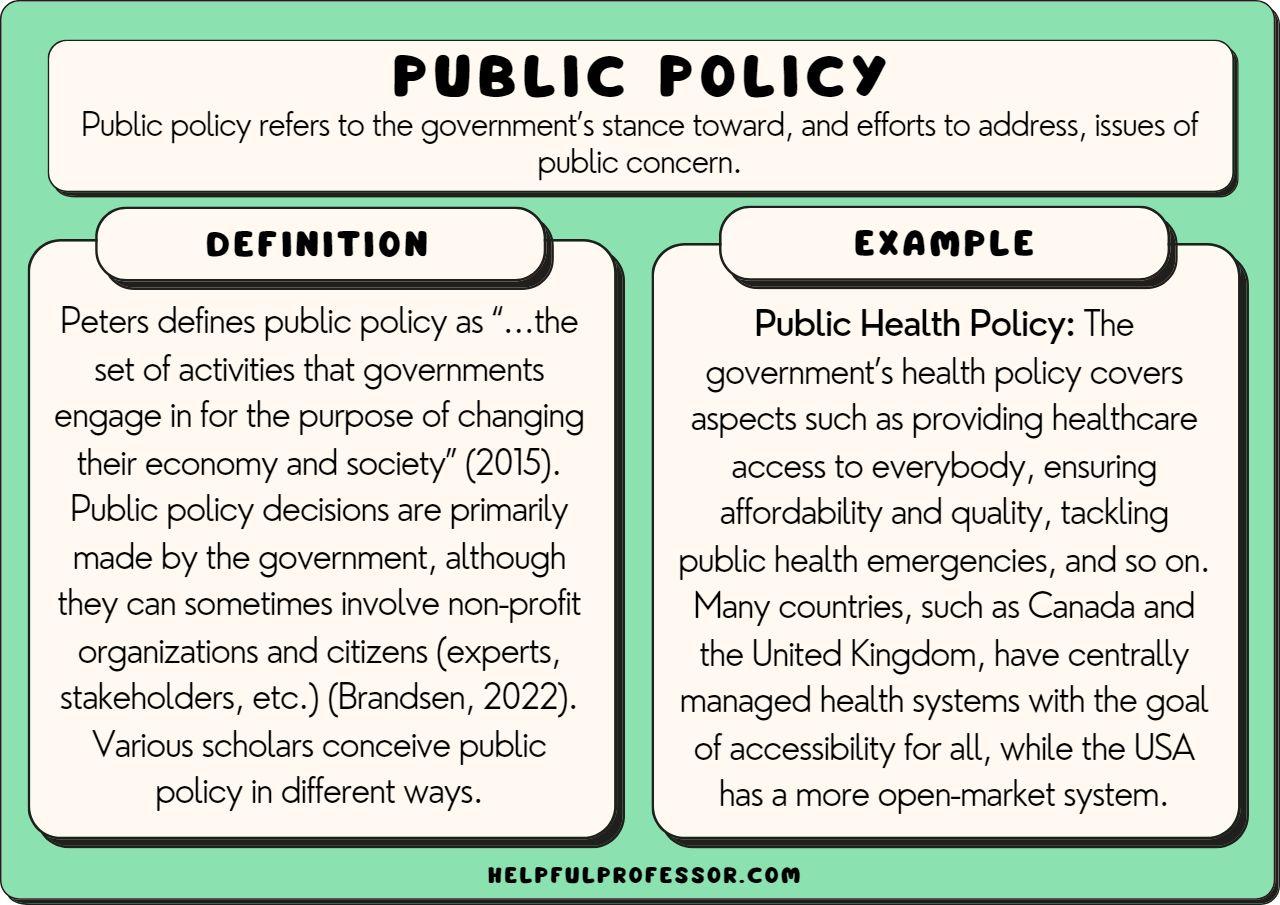
In an era marked by rapid economic fluctuations and shifting demographic trends, the influence of government policies on real estate markets has emerged as a critical area of analysis for policymakers, investors, and homeowners alike. From zoning regulations and tax incentives to housing subsidies and interest rate adjustments, the decisions made in legislative chambers can reverberate throughout the housing landscape, affecting affordability, market stability, and urban development. This article delves into the intricate interplay between government initiatives and the real estate sector, examining how these policies shape market dynamics, influence buyer behavior, and ultimately determine the resilience of local economies. As stakeholders navigate an increasingly complex regulatory environment, a extensive understanding of these impacts is essential for making informed decisions in real estate investment and development.
Table of Contents
- Understanding the Link Between Government Regulations and Real Estate dynamics
- Evaluating the Economic Implications of Housing Policies on Market Trends
- Identifying Opportunities and Risks: Navigating Policy Changes for Investors
- Recommendations for Policymakers: Fostering Sustainable Growth in Real Estate Markets
- To Wrap It Up
understanding the Link Between Government Regulations and Real Estate Dynamics
Government regulations play a pivotal role in shaping real estate dynamics, influencing everything from property values to market accessibility. Zoning laws, as a notable example, dictate the types of developments allowed in certain areas, frequently enough reflecting the priorities of local governments. These regulations not only manage land use but also impact developers’ decisions regarding project investments and residential choices. For example, a restriction on height can limit the number of units in a building, while tax incentives might encourage the construction of affordable housing. Consequently, the interplay between regulations and market behavior reveals a complex landscape where developers must navigate through a web of compliance while striving to meet community needs.
Moreover, regulations also affect consumer sentiment and purchasing power. Policies such as interest rate adjustments and property tax changes can alter the affordability of homes,thus shifting demand in the market. A rise in interest rates, for example, can deter potential buyers, leading to a slowdown in real estate transactions. Conversely,initiatives aimed at encouraging first-time homebuyers can stimulate market activity,creating a ripple effect throughout the economy. Understanding these dynamics is crucial for stakeholders, as it helps predict market trends and informs investment strategies. The following table illustrates key regulatory factors and their corresponding impacts on real estate markets:
| Regulatory Factor | Impact on Market |
|---|---|
| Zoning Laws | Determines land use; affects residential density |
| Interest Rates | Affects mortgage affordability and buyer sentiment |
| Tax Incentives | Encourages investment in affordable housing |
| Environmental Regulations | Can increase development costs; limits certain projects |
Evaluating the Economic Implications of Housing Policies on Market Trends
The economic implications of housing policies can substantially shape real estate market trends, influencing not only home prices but also the overall availability of housing.As governments implement various policies aimed at improving affordability and accessibility, the market often reacts in ways that can either bolster or hinder growth. key factors to consider include:
- Interest Rates: Policy adjustments can affect mortgage rates, altering buyer purchasing power.
- tax Incentives: Deductions and credits aimed at first-time homebuyers can stimulate demand.
- Zoning Laws: Changes in land use regulations can either constrain or expand housing supply.
The allocation of government resources also plays a critical role in shaping market dynamics. For example,funding for public housing projects can spur local economies,while cuts to housing assistance can reduce consumer confidence and dampen market activity.A table analyzing different housing policies alongside their observed impacts reveals the complexities of these relationships:
| Policy | Impact on Market | Example Outcomes |
|---|---|---|
| Tax Credits | Increased demand | Higher home sales in targeted demographics |
| Rent Control | Supply constraints | Declining rental stock |
| subsidized Housing | Market stabilization | Lower homelessness rates |
Identifying Opportunities and Risks: Navigating Policy Changes for Investors
As government policies evolve,investors must stay alert to the shifting landscape that impacts real estate markets. Policies aimed at stimulating economic growth often create numerous opportunities, such as tax incentives, grants for redevelopment, and favorable financing options. Investors should keep an eye on proposed legislation that can lead to:
- Increased funding for infrastructure projects, which enhance property values and attract businesses.
- Tabled legislation for environmental standards, creating demand for green buildings and energy-efficient developments.
- changes in zoning laws, possibly unlocking underutilized parcels for high-density construction.
Conversely, the same policies can pose serious risks that investors cannot afford to ignore. Regulatory changes might result in heightened compliance costs or market restrictions that could threaten profitability. Aspects worth monitoring include:
| Risk Factor | Impact on Investors |
|---|---|
| Property tax increases | Reduced cash flow and lower net returns |
| Stricter tenant protection laws | Increased vacancy rates and higher management costs |
| Market slowdown due to restrictive development policies | Decrease in property values |
By thoroughly analyzing these factors, investors can strategically position themselves to take advantage of market shifts while safeguarding their investments against potential pitfalls.
Recommendations for Policymakers: Fostering sustainable Growth in Real Estate Markets
To navigate the complexities of modern real estate markets while fostering sustainable growth, policymakers must prioritize a balanced approach. This can be achieved by implementing strategies that encourage both development and environmental stewardship. Key recommendations include:
- Integrating sustainability criteria into zoning regulations to promote green building practices.
- Incentivizing public-private partnerships that focus on affordable housing while ensuring adherence to environmental standards.
- Conducting regular assessments of the impact of tax incentives on housing supply and demand to make informed adjustments.
Moreover, enhancing openness in real estate transactions and market data can significantly boost investor confidence. Policymakers should focus on creating a robust regulatory framework that prioritizes ethical practices. Essential strategies include:
- Establishing a centralized data platform for real estate transactions to provide easy access to details.
- encouraging stakeholder engagement through forums and workshops aimed at discussing market trends and policy implications.
- Reviewing and refining land-use policies to align wiht long-term urban development goals.
To Wrap It up
the interplay between government policies and the real estate market is intricate and multifaceted. As we have examined, strategic interventions—whether through tax incentives, zoning regulations, or interest rate adjustments—can significantly sway market dynamics, influencing everything from property values to housing availability. Policymakers must remain vigilant and responsive to market feedback to ensure that their initiatives foster sustainable growth and accessibility in housing. as we navigate an ever-evolving economic landscape, continuous analysis and adaptation of these policies will be essential in shaping resilient and equitable real estate environments. Future research and dialog will be crucial for understanding the long-term implications of these policies and for cultivating a real estate market that serves the needs of all citizens.