

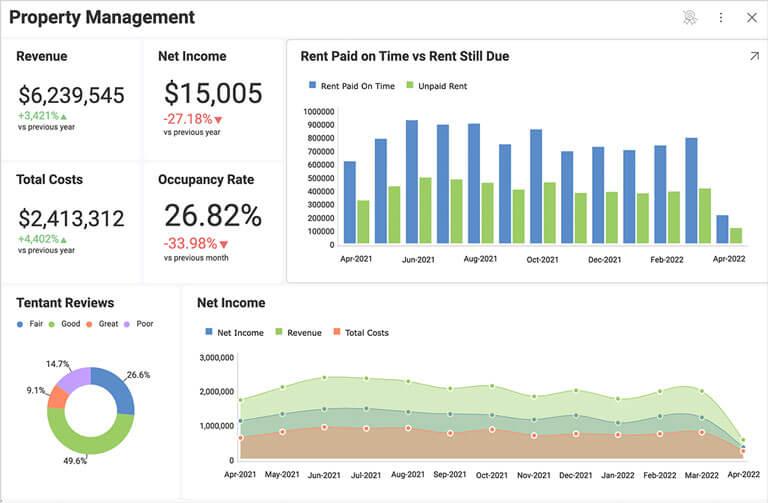
In today’s competitive real estate market, the art of house flipping has evolved from a speculative venture to a data-driven enterprise. Investors and property developers are increasingly turning to advanced analytics to inform their strategies, optimize their investments, and ultimately enhance their profit margins. Leveraging real estate analytics allows flippers to dissect market trends, assess property values, and predict buyer preferences with unprecedented precision. This analytical approach not only mitigates risks associated with market fluctuations but also empowers investors to make informed decisions at every stage of the flipping process—from acquisition and renovation to marketing and sale.In this article,we will explore the various ways in which real estate analytics can be harnessed to elevate house flipping endeavors,detailing the essential tools and techniques that can transform raw data into actionable insights.Through a careful examination of current trends, case studies, and expert opinions, we aim to provide a comprehensive understanding of how data analytics is reshaping the landscape of residential investment.
Table of Contents
- Identifying High-potential Markets Through Data-Driven Analysis
- Utilizing Predictive Analytics for Accurate Property Valuation
- optimizing Renovation Strategies based on Historical Performance Metrics
- Measuring ROI and Market Trends for Informed Decision-Making
- to Conclude
Identifying High-Potential Markets Through Data-Driven Analysis
To identify lucrative opportunities in the house flipping market, leveraging data analytics is essential. By utilizing various data sources, investors can pinpoint trends and emerging neighborhoods that present importent gratitude potential. Key indicators to analyze include:
- Median Home Prices: Tracking fluctuations in median home values helps in understanding market stability and growth.
- Days on Market: Properties that sell quickly often indicate high demand, suggesting an attractive area for investment.
- Rental Yields: Higher rental yields can signal a healthy rental market, appealing to potential buyers and investors.
- Population Growth: Areas experiencing an influx of residents frequently enough indicate economic vitality and increased housing demand.
Furthermore, advanced analytical tools can unearth detailed insights from historical data, revealing patterns that influence investment decisions. For example, by creating a comparative analysis table that highlights key metrics across various neighborhoods, investors can prioritize which markets to target. A simplified table might include:
| Neighborhood | Median Price | Days on Market | Rental Yield (%) |
|---|---|---|---|
| Downtown | $500,000 | 30 | 6.5 |
| Uptown | $350,000 | 45 | 5.8 |
| Suburbia | $280,000 | 60 | 7.2 |
This structured approach helps investors make informed decisions, ensuring that each house flip is based on a robust, data-driven strategy. By analyzing these metrics, one can navigate the competitive landscape of real estate more effectively, maximizing returns and minimizing risk.
Utilizing Predictive Analytics for Accurate Property Valuation
In the dynamically shifting landscape of real estate, making informed decisions is crucial for successful house flipping. By incorporating advanced predictive analytics, investors can significantly enhance the accuracy of property valuations. These analytical tools leverage historical data, market trends, and various algorithms to forecast future property values, taking into account factors such as neighborhood dynamics, economic indicators, and local real estate trends.this predictive approach enables investors to make strategic, data-driven decisions rather than relying solely on intuition or outdated market comparisons.
Utilizing predictive analytics not only boosts the confidence of investors during the acquisition phase but also plays a critical role in the renovation strategy. By understanding projected property values post-renovation,flippers can prioritize improvements that yield the highest returns on investment. Key metrics to consider include:
- Market Trends: Analyze shifting buyer preferences and neighborhood demand.
- comparable Sales: Evaluate similar properties’ performance in the target area.
- Renovation Impact: Assess which home improvements lead to significant value increases.
| Renovation Type | Estimated ROI (%) |
|---|---|
| Kitchen Remodel | 80 |
| Bathroom Update | 70 |
| Curb appeal Enhancements | 50 |
Optimizing Renovation Strategies Based on Historical Performance Metrics
Understanding historical performance metrics is crucial for refining renovation strategies in the house flipping market. By analyzing past projects, investors can identify which renovations yield the highest returns on investment (ROI). Key metrics such as average selling prices, time on market, and buyer feedback can provide valuable insights. To make data-driven decisions, consider focusing on factors like:
- Neighborhood Trends: Historical data on property values in different neighborhoods can highlight areas poised for appreciation.
- Style Preferences: Analyzing what styles or features were moast appealing to previous buyers can definitely help streamline renovation choices.
- Cost Efficiency: Evaluating which renovations provided the best ROI in the past allows for more strategic budgeting.
Implementing these findings into future renovation projects enhances the likelihood of success. Creating a dashboard that tracks key performance indicators over time can facilitate ongoing adjustments to renovation strategies. A comparison table of previous projects can serve as a visual aid to illustrate trends:
| Project Name | Renovation Cost | Sale Price | Days on Market | ROI (%) |
|---|---|---|---|---|
| Modern marvel | $50,000 | $320,000 | 30 | 540% |
| Victorian Revamp | $40,000 | $250,000 | 45 | 525% |
| Mid-Century Makeover | $60,000 | $400,000 | 25 | 566% |
This structured approach allows investors to quantify the effectiveness of renovations and adjust their methods accordingly, ensuring that future projects are not only aesthetically pleasing but also financially rewarding.
Measuring ROI and Market Trends for Informed Decision-Making
To maximize profitability in house flipping, investors must delve into return on investment (ROI) metrics that provide clarity on financial performance.This involves a meticulous analysis of acquisition costs, renovation expenses, carrying costs, and selling prices. By leveraging data analytics tools, flippers can forecast potential returns by evaluating key performance indicators such as:
- Cash-on-Cash Return: This measures the annual return made on the property in relation to the amount of cash invested.
- Net Profit Margin: Understanding the profit made relative to total revenue helps gauge project success.
- Time on Market: Reducing the time it takes to sell a property directly affects profitability.
In addition to ROI, it is essential to stay ahead of market trends that can influence the success of house flipping. Analyzing neighborhood developments, zoning changes, and economic indicators can significantly impact your strategy. Tools that track local market trends can provide insights such as:
| Trend | Impact |
|---|---|
| Rising Home Prices | Increased potential for profit margins on flips. |
| Inventory Levels | affects competition and pricing strategies. |
| Interest Rates | Influences buyer demand and affordability. |
To Conclude
the integration of real estate analytics into house flipping strategies provides investors with a powerful toolkit to enhance decision-making and optimize outcomes. By harnessing data-driven insights, flippers can identify prime investment opportunities, assess property values with greater accuracy, and forecast market trends that influence resale potential. The ability to analyze neighborhood dynamics, property characteristics, and buyer behavior not only minimizes risks but also maximizes profit margins.As the real estate landscape evolves, those who prioritize analytical approaches will undoubtedly gain a competitive edge. By fostering a culture of data literacy and leveraging advanced analytical tools, investors can navigate the complexities of the market with increased confidence and precision. Ultimately, success in house flipping lies not just in the properties themselves, but in the informed, strategic decisions that underpin each investment. By embracing the power of real estate analytics, investors can transform challenges into opportunities, paving the way for sustained growth and profitability in their ventures.