

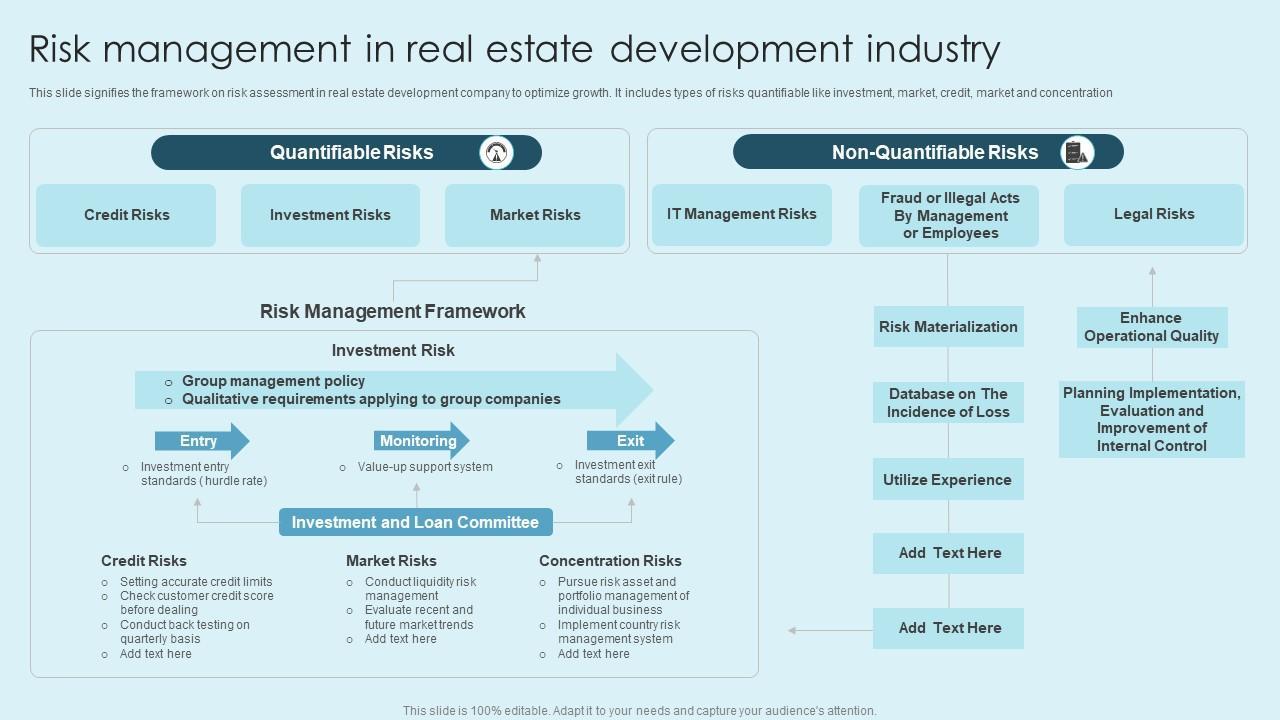
In the dynamic landscape of real estate, navigating risk is as crucial as identifying opportunity. As market conditions fluctuate and regulatory environments evolve, stakeholders must adopt extensive strategic approaches to mitigate potential pitfalls. This article delves into the multifaceted nature of risk within real estate investment and development, exploring innovative strategies that seasoned professionals and newcomers alike can employ to safeguard their assets and enhance their portfolio resilience. From data-driven decision-making to the implementation of robust risk management frameworks, we will uncover essential practices that not only reduce vulnerability but also capitalize on emerging trends.Join us as we examine the proactive measures that empower real estate entities to thrive, even in times of uncertainty.
Table of Contents
- Understanding Market Dynamics and Trends in Real Estate Risk Management
- Developing Comprehensive Due Diligence Protocols for Informed Investment Decisions
- Leveraging technology and Data Analytics to Enhance risk Mitigation Strategies
- Fostering Collaborative Stakeholder Engagement for Effective Risk Assessment and Management
- in summary
Understanding Market Dynamics and Trends in real Estate Risk Management
In the complex landscape of real estate,understanding market dynamics is crucial for effective risk management. market trends are influenced by various factors, including economic indicators, demographic shifts, and technological advancements.By closely monitoring these elements, stakeholders can identify potential risks early and adapt their strategies accordingly. Key considerations include:
- Supply and Demand: Analyzing fluctuations in supply and demand can help predict market volatility.
- Interest Rates: Changes in interest rates directly impact financing costs and investment viability.
- Regulatory Changes: Staying informed about new regulations can prevent compliance-related risks.
Implementing strategic approaches to mitigate risk requires data-driven decision-making. Utilizing predictive analytics tools can enhance the accuracy of market forecasts and inform investment strategies. Additionally, creating a robust risk management framework that includes regular assessments can help organizations navigate uncertainties effectively. A comprehensive approach may involve:
| Strategy | description |
|---|---|
| Diversification | Spreading investments across different property types to reduce exposure. |
| Insurance Coverage | Protecting against unforeseen events through adequate insurance policies. |
| Market Research | Continuously analyzing market trends to make informed decisions. |
Developing Comprehensive Due Diligence Protocols for Informed Investment Decisions
In the realm of real estate investments, implementing rigorous due diligence protocols is essential for minimizing risk and enhancing decision-making accuracy. Effective protocols not only involve financial scrutiny but also encompass a comprehensive review of environmental, legal, and market factors. It is indeed crucial to establish a systematic approach that incorporates the following key components:
- Financial Analysis: Carefully assess cash flow projections, expenses, and financing options.
- Property Inspection: Conduct thorough inspections to identify potential issues that could affect property value.
- Market Research: Analyze local market trends, comparables, and demographic data to gauge investment viability.
- Legal Compliance: Verify property compliance with zoning laws, title issues, and regulatory requirements.
- Risk Assessment: Identify potential risks associated with the property and investment strategy.
To enhance the efficacy of due diligence, organizations can leverage technology and analytical tools to gather and analyze data efficiently.A well-structured approach frequently enough includes the creation of a due diligence checklist or a matrix that outlines critical areas of focus. Below is a simplified portrayal of the due diligence process:
| Phase | Activity | Outcome |
|---|---|---|
| Initial Assessment | Property Walkthrough | Identification of Red Flags |
| Financial Review | Cash Flow Analysis | Projected ROI |
| Legal Evaluation | Title search | Clear Ownership Verification |
| Market Assessment | Comparative Market analysis | Price Valuation Metrics |
Leveraging Technology and Data Analytics to Enhance Risk Mitigation strategies
In today’s dynamic real estate landscape, harnessing the power of technology and data analytics is imperative for driving informed decision-making in risk mitigation. Advanced tools enable stakeholders to identify potential risks associated with property investments, market fluctuations, and tenant behaviors. By leveraging data-driven insights, organizations can uncover hidden patterns and trends, allowing them to anticipate challenges before they escalate. Key technologies such as cloud computing, artificial intelligence, and geographic information systems (GIS) facilitate real-time data analysis, providing a comprehensive view of the risks involved.
Utilizing these technologies, real estate firms can develop tailored risk management strategies that encompass the following elements:
- Predictive Analysis: Employing algorithms to predict potential market downturns.
- Automated Monitoring: Utilizing IoT devices for ongoing property performance tracking.
- Scenario Planning: Creating simulations to assess the impact of various risk factors.
- Data Integration: Consolidating information from multiple sources for a holistic view.
| Technology | Submission in Risk Mitigation |
|---|---|
| AI & Machine Learning | Risk prediction and tenant profiling |
| Big Data Analytics | Market trend analysis and property valuation |
| GIS | Geospatial analysis for site selection |
| Blockchain | transparent transactions and fraud reduction |
Fostering Collaborative Stakeholder Engagement for Effective Risk Assessment and Management
Effective risk assessment and management in real estate necessitates a proactive approach to stakeholder engagement. Involving various stakeholders—such as developers, investors, local communities, and regulatory bodies—ensures diverse perspectives are considered, which enhances the risk identification process. Collaborative forums can be established where stakeholders can share insights and concerns. These forums can facilitate dialogue through:
- Workshops: interactive sessions that enable stakeholders to propose solutions and voice potential risks.
- Surveys: Targeted questionnaires designed to gather quantitative feedback on specific risk factors.
- Regular Meetings: Scheduled discussions to monitor evolving risks and stakeholder sentiments.
Along with fostering open interaction, using advanced technology can streamline the collaboration process. Implementing digital platforms for real-time data sharing allows stakeholders to stay informed and make data-driven decisions. Moreover, establishing a risk management framework is essential to systematically categorize and prioritize risks in accordance with stakeholder input. below is a simple overview of potential risk categories and their associated stakeholders:
| Risk Category | Key Stakeholders |
|---|---|
| market Risks | Investors, Developers |
| Regulatory Compliance | Local Authorities, legal Advisors |
| Environmental Risks | community Groups, Environmental consultants |
| Financial Risks | Financial institutions, Accountants |
to sum up
effectively mitigating risks in the real estate sector requires a proactive and strategic approach. As market dynamics continue to evolve, industry professionals must remain vigilant and adaptable, employing a range of methodologies—from comprehensive due diligence and market analysis to innovative financing structures and risk transfer mechanisms. By integrating technology and data analytics into decision-making processes, stakeholders can gain profound insights and enhance their risk management frameworks.
Moreover, fostering collaboration among investors, developers, and regulatory bodies will create an habitat conducive to shared knowledge and best practices. Ultimately, by prioritizing these strategic initiatives, real estate professionals can not only safeguard their investments but also position themselves for enduring growth in an increasingly complex landscape.As we move forward, continuous education and responsiveness to emerging trends will be essential in navigating the challenges and opportunities that lie ahead in the real estate market.