

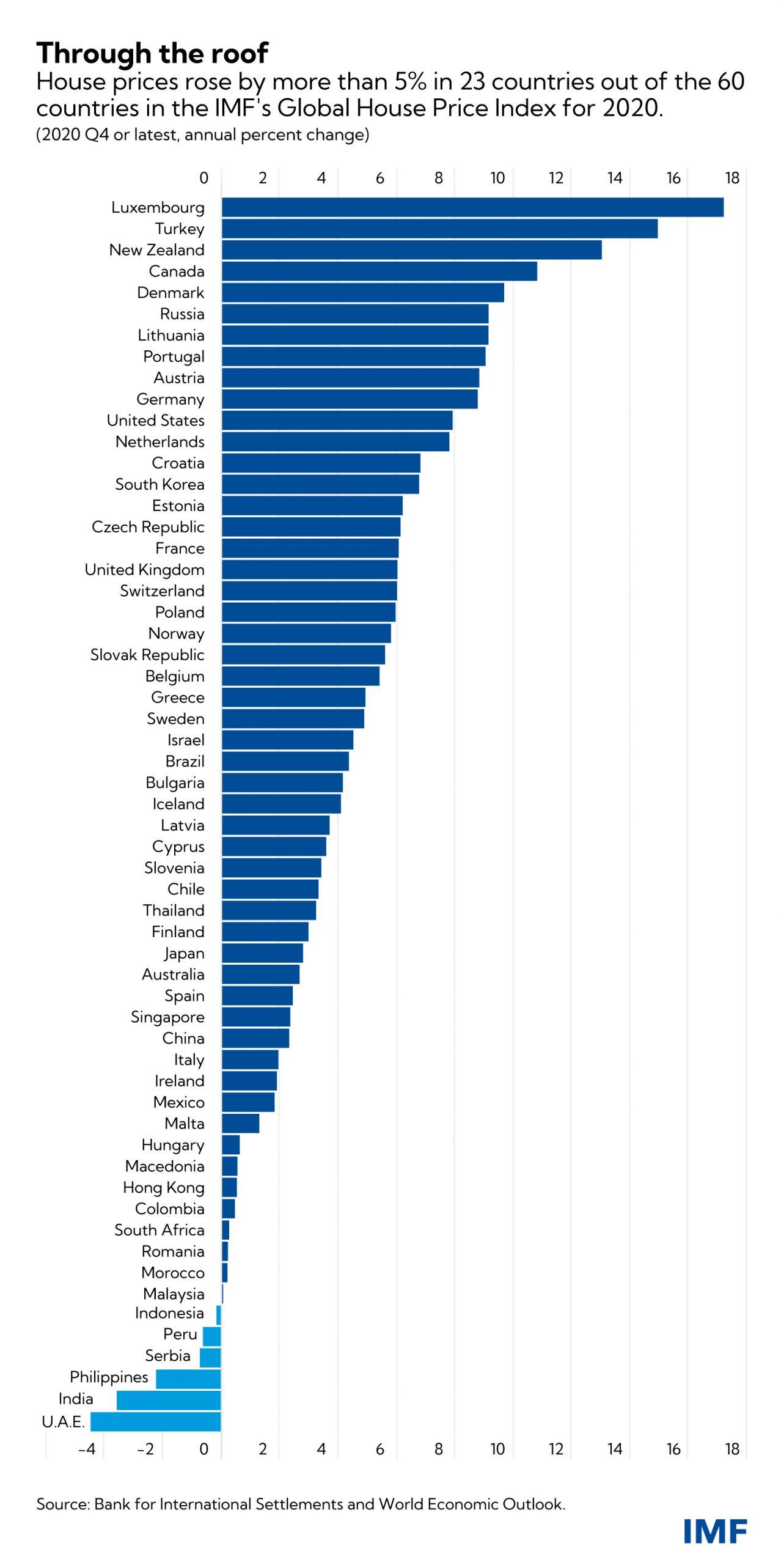
As cities around the world continue to evolve in the face of economic fluctuations, demographic shifts, and changing consumer preferences, the global housing market is undergoing a profound transformation. From the bustling streets of New York to the historic neighborhoods of Tokyo, real estate trends are increasingly reflective of broader social and economic forces at play. This article delves into the latest housing market trends emerging from major urban centers, providing valuable insights into pricing, demand, and development patterns. By examining these trends, we aim to shed light on the implications for investors, policymakers, and residents navigating the complex landscape of global real estate. As we explore these dynamics, we will uncover how cities are adapting to unprecedented challenges while also highlighting opportunities for growth and innovation in the housing sector.
Table of Contents
- Emerging Housing Market Dynamics in Key Global Cities
- Impact of Economic Factors on Urban Real Estate Trends
- Sustainability and Innovation Shaping Future Housing Developments
- Strategies for Investors Navigating a Shifting Market Landscape
- In Conclusion
Emerging Housing Market Dynamics in Key Global Cities
As cities across the globe navigate post-pandemic recovery, emerging housing market dynamics are beginning to take shape. Notable trends include a shift towards urbanization, with many individuals seeking the vibrancy of city life, enhanced amenities, and robust job markets. This resurgence is accompanied by a surge in property demand, particularly in key global cities where urban development initiatives are being introduced to attract investment and foster economic resilience. Growing technology sectors, remote work flexibility, and an influx of younger populations are contributing to the evolving landscape, dramatically reshaping housing preferences and driving innovation in real estate offerings.
At the same time, affordability remains a significant challenge, with prices rising steeply in many metropolitan areas. To address this, city planners and developers are exploring various solutions:
- Mixed-Income Housing which encourages inclusivity and community integration.
- Adaptive Reuse Projects that transform older structures into modern residential spaces.
- Sustainable Development Practices focusing on environmental considerations and energy efficiency.
| City | Average Home Price | Rental Growth Rate |
|---|---|---|
| London | £650,000 | 4.2% |
| New York | $1,050,000 | 3.8% |
| Tokyo | ¥78,000,000 | 4.5% |
| Berlin | €400,000 | 5.0% |
Impact of Economic Factors on Urban Real Estate Trends
The interplay between economic factors and urban real estate trends has become increasingly evident in major cities worldwide. Key elements such as interest rates, inflation levels, and employment rates significantly influence housing demand, pricing strategies, and investment activities. When interest rates are low, borrowing becomes cheaper, encouraging both individuals and developers to engage in real estate transactions. Conversely, when inflation rises, purchasing power diminishes, which can lead to a slowdown in new housing developments and exacerbate affordability issues in urban centers.
Additionally, the health of local economies plays a crucial role in shaping real estate dynamics. Cities with robust job markets witness heightened demand for housing, driving prices upward. Conversely, areas experiencing economic downturns may see an uptick in vacancies and a decrease in property values. The following factors are essential in determining urban real estate trends:
- Shifts in demographic trends
- Changes in consumer behavior
- Government policies and incentives
- Availability of financing options
| City | Desired Economic Metric | Current Trend |
|---|---|---|
| New York | Unemployment Rate | Declining |
| San Francisco | Average Home Price | Increasing |
| Berlin | Inflation Rate | Stable |
Sustainability and Innovation Shaping Future Housing Developments
The convergence of sustainability and innovation is revolutionizing housing developments across the globe. City planners and architects are increasingly recognizing the need to integrate eco-friendly practices into their designs, ensuring that new residential projects are not only functional but also environmentally responsible. Key trends driving this transformation include:
- Green building materials: The shift towards sustainable resources, such as reclaimed wood and recycled metal, minimizes the ecological footprint of new constructions.
- Energy-efficient technologies: Innovations in insulation, smart home systems, and renewable energy sources like solar panels are becoming standard in new housing projects.
- Water conservation measures: Rainwater harvesting systems and greywater recycling practices are being implemented to reduce water usage in urban areas.
Moreover, many cities are adopting policies that encourage or mandate sustainable practices within housing developments. These regulations not only help mitigate environmental impacts but also foster community well-being and enhance quality of life. Recent studies illustrate how integrated approaches to housing design promote social interaction and accessibility, creating vibrant neighborhoods that prioritize sustainability. Below is a summary of global cities leading in innovative housing solutions:
| City | Innovative Approach | Sustainability Rating |
|---|---|---|
| Amsterdam | Floating Houses | ★★★★★ |
| Copenhagen | Bicycle-Friendly Housing | ★★★★★ |
| Singapore | Vertical Gardens | ★★★★☆ |
| Vancouver | Passive House Standards | ★★★★☆ |
Strategies for Investors Navigating a Shifting Market Landscape
As the global housing market continues to experience fluctuations, investors must adapt their strategies to thrive in an ever-evolving landscape. Understanding regional dynamics is crucial, particularly as some markets exhibit resilience while others face challenges. Investors should consider diversifying their portfolios across various cities or regions to mitigate risk. This includes researching local economic indicators, such as employment rates and population growth, to identify areas with strong potential for property appreciation. By staying informed about urban regeneration projects and infrastructure developments, investors can spot opportunities before they become visible to the broader market.
In addition to geographic diversification, leveraging technology can provide investors with a competitive edge. Utilizing data analytics tools can help in analyzing trends and predicting future market movements, allowing for more informed decision-making. Emphasizing cash flow positivity and pursuing undervalued properties may enhance returns, particularly under tightened monetary policies. It’s also essential to maintain a strong network of local experts, such as real estate agents and market analysts, who can provide insights into buyer sentiment and emerging trends that may not be immediately apparent. Adopting a comprehensive approach to risk management ensures that investors are prepared for the uncertain times ahead.
In Conclusion
As we conclude our exploration of the global housing market trends in major cities, it becomes evident that the dynamics of urban real estate are shaped by a complex interplay of economic forces, demographic shifts, and policy decisions. Key findings suggest that while some cities are experiencing rapid appreciation and a surge in demand, others are grappling with affordability crises and declining interest in urban living.
These insights offer invaluable guidance for investors, policymakers, and homebuyers alike, highlighting the need for adaptive strategies that address both current and anticipated market conditions. As global cities evolve and redefine their real estate landscapes, staying informed will be crucial for navigating this ever-changing environment.
Looking ahead, it will be essential to monitor how factors such as inflation, interest rates, and shifts toward remote work continue to influence housing trends. The implications of these developments will undoubtedly shape not only the markets of today but also the housing landscapes of tomorrow. As we move forward, understanding and adapting to these trends will be pivotal in ensuring sustainable growth and fostering vibrant, inclusive urban communities worldwide.