

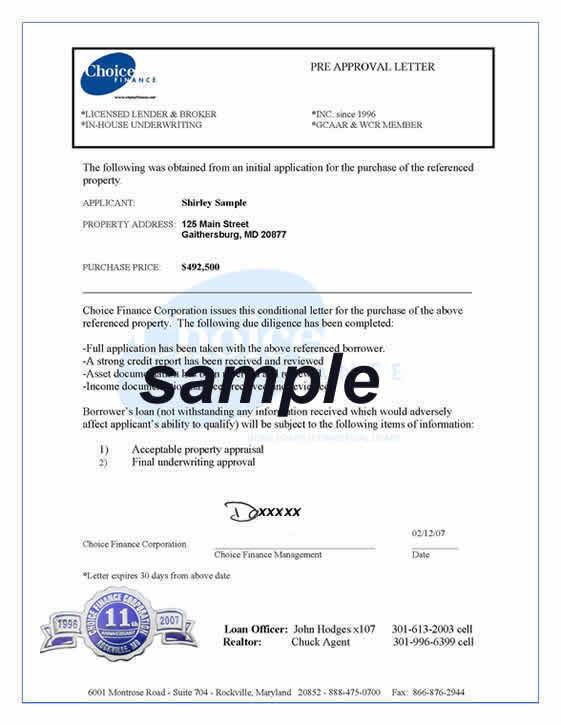
In the complex landscape of real estate financing, securing a mortgage loan is a pivotal step for many prospective homeowners. Understanding the intricacies of mortgage loan approval is essential for borrowers seeking to navigate this multifaceted process effectively. Various key factors play a significant role in influencing lenders’ decisions, shaping the likelihood of loan approval. These factors encompass financial metrics, credit history, employment stability, and property valuations, among others. In this article, we will explore the critical elements that lenders assess when reviewing mortgage applications, providing insights that can empower borrowers to enhance their chances of obtaining favorable loan terms in the competitive housing market.
Table of Contents
- Impact of Credit Score on Mortgage Approval Outcomes
- Importance of Debt-to-Income Ratio in Loan Assessment
- Role of Employment Stability in Securing Mortgage Approval
- Influence of Down Payment Size on Loan Terms and Conditions
- Concluding Remarks
Impact of Credit Score on Mortgage Approval Outcomes
A credit score is a critical component in the mortgage approval process, often serving as a primary indicator of an applicant’s financial reliability. Lenders utilize this numeric representation of creditworthiness to assess the risk associated with lending money to prospective homeowners. Borrowers with higher credit scores are typically viewed more favorably, as these scores signify responsible credit management and lower likelihood of defaulting on the loan. Conversely, individuals with lower credit scores may face higher interest rates or tougher conditions, as lenders may perceive them as higher risk. As a result, understanding the impact of credit scores can be crucial for potential borrowers seeking to secure a mortgage.
| Credit Score Range | Mortgages Options |
|---|---|
| 300 – 579 | Subprime Mortgages, High Down Payments |
| 580 – 669 | FHA Loans, Moderate Interest Rates |
| 670 – 739 | Conventional Loans, Good Interest Rates |
| 740 – 799 | Excellent Loan Terms, Competitive Rates |
| 800 – 850 | Best Mortgage Deals, Lowest Rates |
In addition to determining loan eligibility, credit scores also influence the terms of the mortgage offered. Lenders may factor in the credit score to decide on factors such as the interest rate, loan amount, and required down payment. For instance, borrowers presenting with excellent credit can often negotiate significantly lower interest rates and more favorable repayment terms, which can lead to substantial savings over the life of the mortgage. On the other hand, those with poor credit might contend with stricter conditions, including higher rates and larger upfront payments, emphasizing the imperative of maintaining a healthy credit profile.
Importance of Debt-to-Income Ratio in Loan Assessment
The debt-to-income (DTI) ratio is a critical metric used by lenders to evaluate a borrower’s financial health and their ability to manage monthly payments. This ratio is calculated by dividing total monthly debt payments by gross monthly income, providing a percentage that reflects the proportion of income that is consumed by debt obligations. A lower DTI ratio indicates a healthier financial situation, making it easier for individuals to qualify for a mortgage. Lenders typically prefer a DTI ratio below 43%, although some may consider ratios as high as 50% under certain circumstances. This benchmark helps lenders assess risk and ensures that borrowers are not overleveraged.
Understanding the importance of maintaining a favorable DTI ratio can significantly influence the mortgage approval process. Lenders use this measure to balance the potential for loan default against the borrower’s income stability. A favorable DTI ratio is often linked to various benefits for borrowers, including:
- Lower interest rates: Borrowers with a lower DTI may qualify for more competitive rates.
- Higher loan amounts: A better DTI often grants access to larger mortgage amounts.
- Improved approval chances: A strong DTI suggests responsible financial management, enhancing the likelihood of approval.
Role of Employment Stability in Securing Mortgage Approval
When evaluating a mortgage application, lenders place significant emphasis on employment stability. A steady job history serves as an indicator of a borrower’s ability to maintain consistent income, which is crucial for managing monthly mortgage payments. Lenders ideally look for a history of at least two years in the same job or, at the very least, a consistent progression in a career field. Factors that can enhance perceived stability include:
- Length of Employment: Longer tenures at a current job can signify reliability.
- Employment Type: Permanent positions are favored over temporary or contract work.
- Industry Stability: Borrowers employed in stable, thriving industries are viewed favorably.
Moreover, the nature of a borrower’s employment can impact the perceived risk level from the lender’s perspective. If a borrower switches jobs frequently or is in an unstable industry, the lender may view this as a red flag, leading to potential challenges in securing mortgage approval. Additionally, income type plays a vital role; self-employed individuals may need to provide more documentation to demonstrate consistent earnings. Understanding the nuances of how employment factors into the mortgage application can help applicants present their situations in the best light. A summary of employment stability considerations might look like this:
| Factor | Impact on Approval |
|---|---|
| Years at Current Job | Positive |
| Job Changes in Last 2 Years | Negative |
| Type of Employment | Influential |
| Field Stability | Positive |
Influence of Down Payment Size on Loan Terms and Conditions
The size of the down payment plays a significant role in determining the terms and conditions of a mortgage loan. A larger down payment often signals to lenders that the borrower is financially responsible and less risky. This can lead to a series of beneficial outcomes, including:
- Lower interest rates: Borrowers who make a substantial down payment may qualify for lower interest rates, which can lead to significant savings over the life of the loan.
- Reduced mortgage insurance premiums: With a higher equity stake, lenders may waive the need for private mortgage insurance (PMI), further decreasing monthly payments.
- Better loan terms: A strong financial commitment can result in more favorable loan conditions, such as a longer repayment period or fewer fees.
Conversely, a smaller down payment can restrict options for borrowers and result in less favorable conditions. Lenders may view a low down payment as an indication of higher risk, leading to potential disadvantages such as:
- Higher interest rates: Increased risk may require lenders to charge higher rates to offset potential losses.
- Mandatory PMI: Borrowers with less than 20% down might be required to pay for mortgage insurance, which adds to overall monthly expenses.
- More stringent qualification requirements: Lower equity may compel lenders to enforce stricter income and credit history assessments.
Concluding Remarks
understanding the key factors that influence mortgage loan approval decisions is essential for potential borrowers navigating the home financing landscape. From credit scores and debt-to-income ratios to employment stability and the overall economic climate, each element plays a critical role in determining eligibility for a mortgage. By being aware of these factors, borrowers can better prepare themselves to meet lender criteria, enhance their financial profiles, and ultimately improve their chances of securing favorable mortgage terms. As the lending environment continues to evolve, staying informed and proactive will ensure that prospective homeowners can make sound financial decisions and achieve their homeownership goals.