

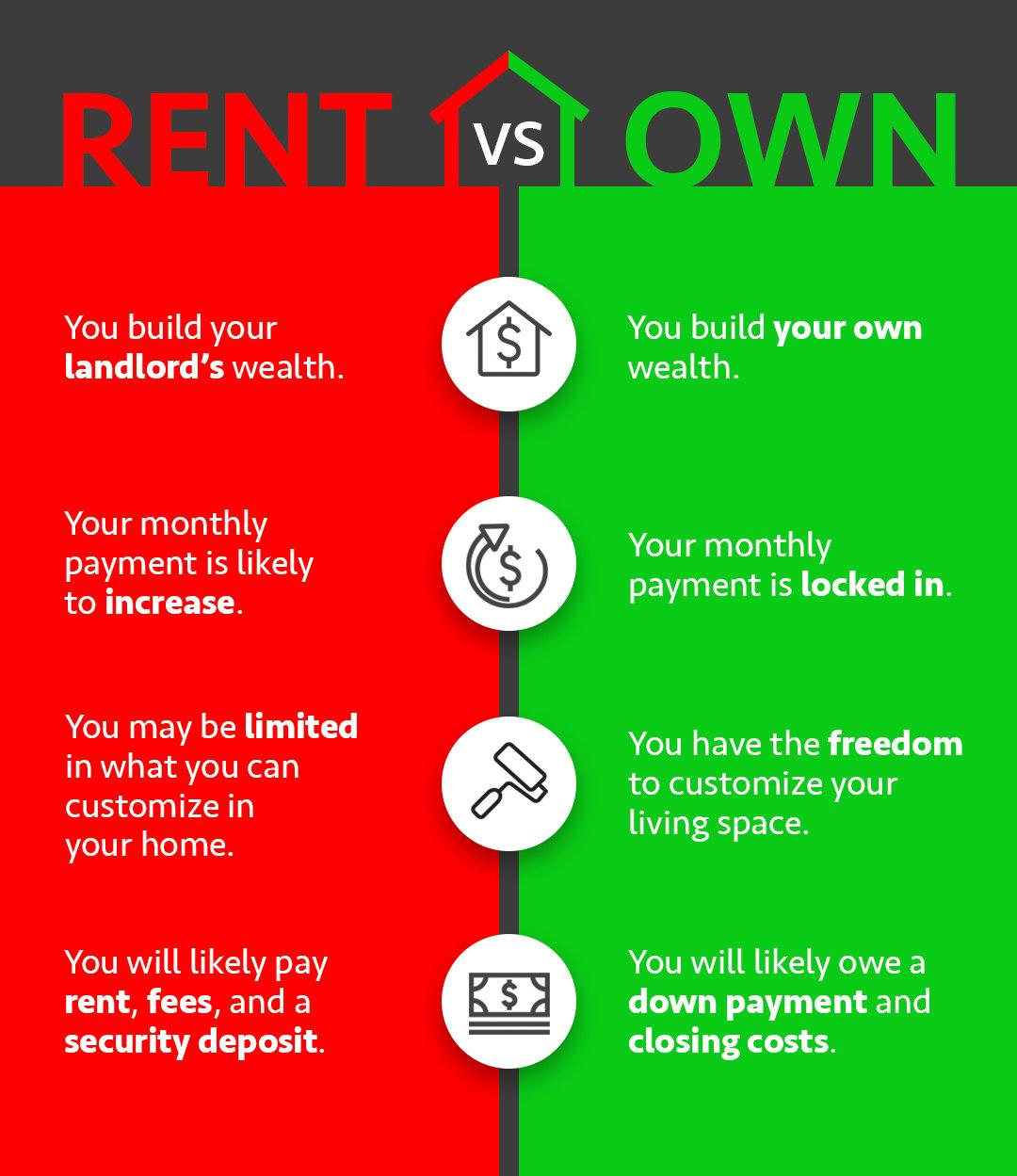
In today’s rapidly evolving real estate landscape, the decision to own a home or continue renting remains a pivotal consideration for many individuals and families.The financial implications of this choice can substantially impact personal wealth accumulation, cash flow, and long-term stability. This article delves into the critical factors that distinguish owning from renting,providing an analytical framework to evaluate the financial advantages and disadvantages of each option. By examining elements such as initial investment requirements, ongoing costs, property appreciation, and potential tax benefits, we aim to equip readers with the insights necessary to make informed decisions that align with their financial goals. In a market characterized by volatility and chance, understanding these dynamics is essential for maximizing financial well-being and securing a strategic foothold in the world of real estate.
Table of Contents
- Understanding Cash Flow Differences Between Ownership and Rental
- Assessing Long-term Investment Returns in real Estate
- Evaluating Tax Implications and Financial Incentives
- Identifying Market Trends and Future Value Potential
- Closing Remarks
Understanding Cash Flow Differences Between Ownership and Rental
When evaluating the financial dynamics between ownership and rental, one of the key considerations is how cash flow varies in each scenario. For homeowners, the initial cash outflow often includes a substantial down payment along with closing costs, which can significantly impact short-term liquidity. Despite these high upfront costs, owning a property can lead to potential long-term equity accumulation. Homeowners have the opportunity to build equity through mortgage payments, which can increase net worth over time. Additionally, they have the versatility to rent out the property, turning it into a source of income, thus enhancing cash flow.
In contrast, renting typically allows for more immediate cash flow benefits compared to ownership, as renters usually face lower upfront costs—primarily a security deposit and the first month’s rent.This can free up capital for other investments or expenses. However, it’s significant to note that rental payments do not build equity; they are purely an expense. Here’s a brief comparison of cash flow implications:
| Feature | ownership | Rental |
|---|---|---|
| Initial Investment | High (down payment + closing costs) | Low (security deposit + first month’s rent) |
| Monthly Payments | Mortgage + taxes + insurance | Rent only |
| Equity Building | Yes, increases value over time | No, all payments are expenses |
| Potential for Rental Income | Yes, after becoming a landlord | No, lease holder only |
Assessing Long-Term Investment Returns in Real Estate
When evaluating the financial benefits of real estate ownership, it is indeed crucial to assess the potential long-term investment returns. owning property provides opportunities for appreciation, which can significantly outpace inflation over time. Furthermore, real estate often serves as a hedge against economic volatility, providing stability and long-term financial security. Over a span of several years, property values tend to increase, allowing owners to realize substantial profits upon selling or leveraging their property. Additionally, homeowners may enjoy certain tax advantages, such as deductions for mortgage interest and property taxes, enhancing the long-term financial viability of their investment.
conversely, renting typically offers short-term flexibility and lower initial costs, yet lacks the wealth-building potential associated with ownership. Assessing the total cost of renting can reveal how expenses accumulate over time without generating equity. Consider the following factors when comparing the two options:
- Monthly rent over 10 years vs. a mortgage payment for the same period
- Potential increase in property value after a decade
- Tax benefits available to homeowners
To illustrate, the table below highlights the financial outlook of both alternatives over a hypothetical period:
| Year | Home Value Appreciation | Total Rent Paid | Equity Build-up |
|---|---|---|---|
| 0 | $300,000 | $21,600 | $0 |
| 5 | $360,000 | $108,000 | $60,000 |
| 10 | $432,000 | $216,000 | $132,000 |
Evaluating Tax Implications and Financial Incentives
When determining the best financial path—owning or renting—it’s crucial to assess the tax implications and the various financial incentives associated with each option. Homeownership often allows individuals to benefit from tax deductions on mortgage interest and property taxes, which can lead to considerable savings over time. Additionally, the federal government offers various tax credits to first-time homebuyers, stimulating the market and encouraging investments in property ownership.
Conversely, renters face a different financial landscape where tax savings may be less pronounced. However,they may qualify for rental deductions in specific locations or under certain conditions.Moreover, renters typically enjoy financial flexibility, such as lower upfront costs compared to buying, which can allow them to allocate funds elsewhere—such as saving for retirement or investing in other ventures. Below is a brief comparison of the financial incentives available for both homeowners and renters:
| Incentive | Homeowners | Renters |
|---|---|---|
| Tax Deductions | Mortgage interest, property taxes | Limited options based on locality |
| Upfront Costs | Higher (down payment, closing costs) | Lower (security deposit) |
| Financial Flexibility | Less flexible (long-term commitment) | More flexible (lease terms) |
Identifying Market Trends and Future Value Potential
To make informed decisions about the financial advantages of owning versus renting, it is crucial to analyze the emerging market trends that can significantly affect property values. A few key indicators to watch include:
- Economic Growth: Areas with robust economic activity often see increased demand for housing, driving property values upward.
- Population Trends: A rising population in urban locales generally leads to a surge in rental demand and, subsequently, higher real estate prices.
- Interest Rates: Typically, lower interest rates can boost home affordability, thus enhancing the appeal of ownership as an investment opportunity.
in addition to observing market trends, it’s critically important to assess potential future value through analytical frameworks. By considering the past appreciation rates and local development plans, property owners can better predict their investment outcomes. A simplified comparison table below illustrates how owning may outperform renting over time:
| Factor | Owning | Renting |
|---|---|---|
| Equity Building | Yes | No |
| Tax Benefits | Yes | No |
| Long-Term Investment Growth | Potential | Limited |
Closing Remarks
understanding the financial advantages of owning versus renting is essential for anyone considering their housing options. While renting can offer flexibility and lower immediate costs, homeownership presents unique long-term benefits that frequently surpass initial investments. By examining factors such as equity accumulation, potential tax benefits, and the stability that comes with owning property, prospective buyers can make informed decisions that align with their financial goals. Ultimately, careful evaluation of personal circumstances, market conditions, and long-term objectives can help individuals navigate this important choice, ensuring that they capitalize on the best option for their unique financial situation. As the real estate landscape continues to evolve, staying informed and vigilant will empower buyers and renters alike to make strategic moves in their housing journey.