

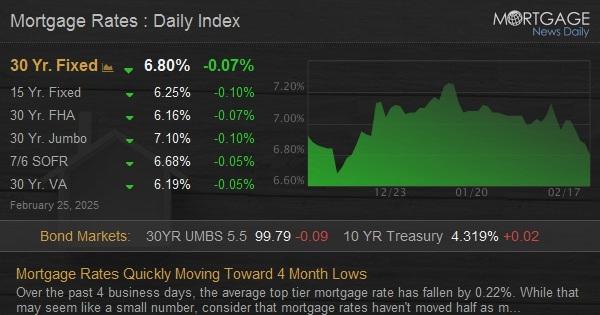
In today’s dynamic financial landscape, securing the right mortgage can significantly impact long-term financial stability and homeownership experience. with a plethora of lending options and fluctuating interest rates, navigating the mortgage market can be a daunting task for both first-time buyers and seasoned homeowners alike. This essential guide aims to equip you with the knowledge and tools necessary to identify optimal mortgage rates and terms that align with your financial goals. By understanding key factors influencing mortgage rates, exploring different loan types, and learning effective negotiation strategies, you will be better positioned to make informed decisions in securing a mortgage that suits your needs. As we delve into the intricacies of mortgage lending, you will discover how to maximize your opportunities and minimize costs in this essential step towards homeownership.
Table of Contents
- Understanding Mortgage Rate Variability and Influencing Factors
- Evaluating Different Types of Mortgages for Your Financial Situation
- Strategies for Effective Rate Negotiation with Lenders
- The Importance of Credit Scores and Financial Preparedness in Securing Favorable Terms
- Closing Remarks
Understanding Mortgage Rate Variability and Influencing Factors
The variability of mortgage rates can greatly influence your overall financial commitment when purchasing a home. rates frequently enough fluctuate based on several macroeconomic factors,making it essential for prospective buyers to stay informed. Key considerations that impact mortgage rates include:
- Economic Indicators: Metrics such as inflation, employment rates, and Gross Domestic Product (GDP) play a significant role in determining rates.
- Federal Reserve Policies: Changes in monetary policy by the Federal Reserve, especially concerning interest rate adjustments, can directly affect mortgage lending rates.
- Market Competition: The level of competition among lenders can lead to more favorable rates for borrowers.
Additionally, individual borrower characteristics can impact the rates offered.Lenders assess factors such as credit scores, debt-to-income ratios, and loan-to-value ratios. These elements help institutions gauge the risk associated with lending to a borrower. To illustrate how various elements may influence your potential mortgage rates, consider the following table:
| Factor | Impact on Mortgage Rate |
|---|---|
| Credit Score | Higher scores typically lead to lower rates. |
| Loan Type | Conventional loans may have different rates compared to FHA or VA loans. |
| down Payment | larger down payments can reduce rates. |
Evaluating Different Types of mortgages for Your Financial Situation
When considering a mortgage, it’s essential to analyze the various types available to align with your financial circumstances. Fixed-rate mortgages offer stability and predictability, making them an excellent choice for those who value consistent monthly payments.On the other hand, adjustable-rate mortgages (ARMs) can provide lower initial rates, which may suit buyers planning to move or refinance before the rates adjust. Additionally, interest-only loans allow homeowners to pay only the interest for a specified period, granting flexibility but often resulting in a larger principal balance down the line.
Another option to explore is the FHA loans, ideal for buyers with lower credit scores or limited down payment capabilities, and VA loans, which cater to veterans and active duty military personnel with favorable terms. When evaluating these choices, consider the long-term implications on your financial health. Below is a comparison of common mortgage types:
| Mortgage Type | Pros | Cons |
|---|---|---|
| Fixed-rate | Stable payments | Higher initial rates |
| Adjustable-rate | Lower initial rates | potential for future increases |
| Interest-only | Lower initial payments | Larger remaining balance |
| FHA | Lower down payment | MIP premiums |
| VA | No down payment | Limited to military members |
Strategies for Effective Rate Negotiation with Lenders
Successfully negotiating mortgage rates with lenders entails a clear understanding of your financial standing and the current market conditions. Begin by conducting thorough research on prevailing interest rates to provide a benchmark for your negotiations. Gather and compare quotes from multiple lenders, ensuring you consider both the interest rates and any associated fees. be prepared to present your financial profile, including credit score, income, and existing debt, to justify your position in seeking a better rate. Having compelling evidence of your financial viability will empower you during discussions.
Additionally, leverage timing to your advantage; interest rates can fluctuate, so approach lenders when rates are favorable or during promotional periods. Building rapport with your lender can also be beneficial; a positive relationship may facilitate a more favorable outcome. Don’t hesitate to inquire about potential discounts, loyalty benefits, or adjustments based on your long-term intentions with the mortgage. To keep track of various offers, consider creating a simple table to summarize key details from each lender:
| Lender | Interest Rate | Closing Costs | Notes |
|---|---|---|---|
| Lender A | 3.5% | $3,000 | Promotional offer |
| Lender B | 3.7% | $2,500 | Loyalty discount available |
| Lender C | 3.6% | $4,000 | Flexible terms |
The Importance of Credit Scores and Financial Preparedness in Securing Favorable Terms
Your credit score serves as a vital indicator of your financial health and directly influences the terms of your mortgage. A higher credit score often equates to lower interest rates, which can result in significant savings over the life of your loan. Lenders view excellent credit as a signal of responsible borrowing behavior, thereby making them more willing to offer favorable terms. when assessing your financial preparedness, consider the following crucial factors:
- Payment History: Demonstrating a track record of on-time payments boosts your score.
- Credit Utilization: Keeping your credit card balances low relative to your limits is essential.
- Length of Credit History: Longer histories can positively affect your score.
- Mixed Credit Types: A good mix of credit accounts enhances your profile.
To illustrate the potential impact of credit scores on mortgage rates, review the table below showing estimated monthly payments based on different credit tiers.Understanding these nuances prepares you to approach lenders with confidence, ensuring that you secure the most advantageous mortgage terms possible.
| Credit Score Range | Estimated Interest Rate | Monthly Payment for a $300,000 Loan |
|---|---|---|
| 300 – 579 | 6.5% | $1,898 |
| 580 – 669 | 5.5% | $1,703 |
| 670 – 739 | 4.5% | $1,520 |
| 740 – 799 | 3.5% | $1,347 |
| 800 – 850 | 2.5% | $1,199 |
Closing Remarks
navigating the world of mortgage rates and terms can be a daunting task, but it is essential for securing the best financial outcome for your home purchase. By understanding the various factors that influence mortgage rates, utilizing online tools for comparison, and taking the time to shop around among lenders, you can make informed decisions that align with your financial goals. additionally,considering the impact of your credit score and remaining aware of market trends will empower you to negotiate more effectively. Remember, the right mortgage not only aids in your immediate goals of homeownership but also contributes to long-term financial stability. With the insights and strategies provided in this guide, you are better equipped to find an optimal mortgage that meets your needs.