

In recent years, the construction industry has faced a multifaceted array of challenges that have significantly influenced housing affordability and availability across the globe. As economies strive to recover from the disruptions of the COVID-19 pandemic, rising construction costs have emerged as a pressing concern for developers, homeowners, and policymakers alike. From soaring material prices to labor shortages, these escalating expenses are reshaping the landscape of residential building and profoundly impacting prospective buyers and renters. In this article, we will explore the various factors contributing to the rise in construction costs, the ripple effects on the housing market, and the potential long-term implications for those seeking a place to call home. Join us as we delve into this critical issue that affects not only the construction sector but also communities and families striving for stability in an ever-changing economic environment.
Table of Contents
- Navigating the Factors Behind Rising Construction Costs
- Analyzing the Effects on Housing Affordability and Availability
- Implementing Strategies to Mitigate Rising Costs in Construction Projects
- Advocating for Policy Changes to Support Sustainable Housing Development
- Final Thoughts
Navigating the Factors Behind Rising Construction Costs
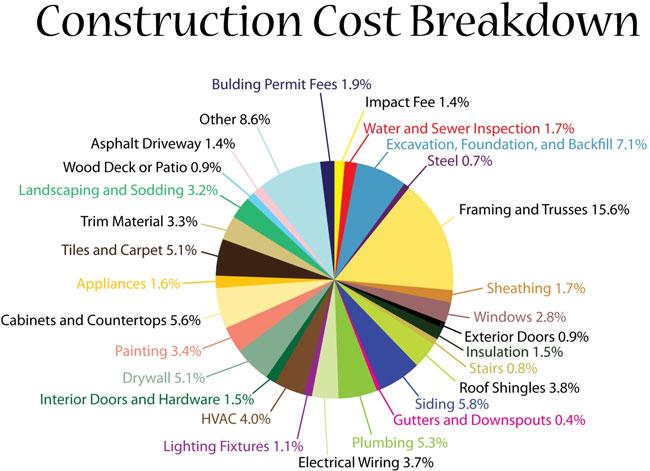
The rising costs of construction are influenced by a myriad of factors that intertwine and evolve with market dynamics. Supply chain issues, exacerbated by global events, have resulted in shortages of essential materials like lumber, steel, and concrete, driving prices upward. Additionally, labor shortages in the skilled workforce segment have forced contractors to offer higher wages to attract workers, further inflating overall project costs. These economic pressures, in turn, affect everything from individual homebuyers to large-scale real estate developers, creating a ripple effect across the housing market.
Another significant contributor to rising construction expenses involves regulatory changes and environmental considerations. Stricter regulations aimed at sustainability and safety often necessitate the incorporation of advanced technologies and materials, which can be costly to implement. Furthermore, inflation rates have seen an uptick, impacting financing terms and construction loans, contributing to an increase in overall project budgets. Understanding these factors is crucial for stakeholders in the housing market to devise strategies that accommodate these challenges without compromising on quality or affordability.
Analyzing the Effects on Housing Affordability and Availability
The surge in construction costs poses a significant threat to housing affordability and availability, contributing to a growing crisis for potential homeowners and renters alike. As developers face increased expenses related to materials and labor, the ripple effect often means that they pass these costs onto consumers. This scenario has led to a steep rise in home prices, making it increasingly difficult for first-time buyers to enter the market. In urban areas, where demand is already high, the combination of limited housing stock and inflated prices creates a situation where many individuals are forced to either extend their search to less desirable locations or abandon their dreams of homeownership altogether.
In addition to higher prices, the rising costs of construction also impact the availability of affordable housing units. Many developers are pivoting towards luxury developments, as the profit margins are more favorable amidst soaring input costs. As a result, affordable housing projects are frequently sidelined, leaving lower-income families in precarious housing situations. Important considerations include:
- Reduction in new builds: Diminished construction of affordable units.
- Increased rent burdens: Renters face soaring costs, reducing disposable income.
- Long-term housing crisis: Lack of affordable options perpetuates homelessness and instability.
To better understand the implications, the following table illustrates the projected changes in housing supply relative to construction cost increases over the next five years:
| Year | Projected Increase in Construction Costs (%) | Estimated Housing Units Built |
|---|---|---|
| 2024 | 5 | 150,000 |
| 2025 | 7 | 140,000 |
| 2026 | 10 | 120,000 |
| 2027 | 8 | 130,000 |
| 2028 | 6 | 145,000 |
Implementing Strategies to Mitigate Rising Costs in Construction Projects
The rising costs in construction pose significant challenges for developers and contractors alike, necessitating the adoption of innovative strategies to keep projects within budget. Bulk purchasing of materials can lead to substantial savings; by buying supplies in advance or negotiating long-term contracts, companies can lock in lower prices. Additionally, employing value engineering techniques can ensure that every component used contributes to the project’s functionality and overall efficiency, without compromising quality. Other strategies include utilizing prefabrication methods which can decrease waste and labor costs, thereby allowing projects to adhere to tighter schedules while managing expenses effectively.
Moreover, establishing a collaborative environment among key stakeholders can foster cost efficiency. This can be achieved through regular meetings and transparent communication, ensuring that everyone is aligned on project goals and timelines. Implementing advanced project management software allows teams to monitor progress in real-time, enabling proactive adjustments to mitigate unforeseen cost increases. It’s also essential to keep abreast of market trends and economic indicators that affect material costs, thereby allowing for strategic planning. The following table outlines some essential strategies for cost mitigation:
| Strategy | Description |
|---|---|
| Bulk Purchasing | Acquire materials in large quantities to secure discounted pricing. |
| Value Engineering | Assess project components to enhance functionality without extra costs. |
| Prefabrication | Use modular construction techniques to reduce waste and time. |
| Collaborative Environment | Foster open communication among stakeholders to align goals. |
| Project Management Software | Utilize tools for real-time monitoring and proactive adjustments. |
| Market Awareness | Stay informed about material costs and economic factors. |
Advocating for Policy Changes to Support Sustainable Housing Development
As the construction industry grapples with ever-increasing costs, it is vital for policymakers to advocate for systematic changes that can encourage sustainable housing development. Rising material and labor expenses are not just impacting builders; they also lead to inflated housing prices, pushing homeownership further out of reach for many individuals and families. By promoting policies that support the adoption of innovative building techniques and materials, we can mitigate some of these costs while simultaneously enhancing environmental sustainability. This approach can create a ripple effect of benefits, reducing the overall carbon footprint of new developments and fostering healthier living environments.
To effectively address the challenges posed by rising construction costs, policymakers should prioritize the creation of financial incentives tailored for sustainable building practices. Consider the following strategies:
- Tax credits or deductions for developers using eco-friendly materials
- Grants for retrofitting existing homes to meet sustainability standards
- Streamlined permitting processes that expedite approvals for sustainable housing projects
- Public-private partnerships that invest in affordable green housing initiatives
Investing in these strategies will not only address housing supply challenges but will also foster a culture of sustainability within the construction industry. The urgency of the housing crisis calls for a concerted effort to harmonize economic development with ecological responsibility, ensuring that future generations inherit a balanced and sustainable built environment.
Final Thoughts
rising construction costs are not merely a statistic; they represent a significant challenge that reverberates through the entire housing market. From the potential buyers grappling with affordability to policymakers striving for sustainable solutions, the implications are far-reaching. As we navigate this evolving landscape, it’s essential for all stakeholders—developers, investors, and consumers alike—to remain informed and adaptable.
By understanding the factors driving these costs and their impact on the housing sector, we can foster informed discussions and strategic responses that seek to balance economic realities with the urgent need for accessible housing. As the industry continues to confront these challenges, proactive collaboration and innovative thinking will be key to creating a resilient housing market that meets the needs of all individuals and communities.
Thank you for joining us on this exploration of construction costs and their housing implications. We encourage you to stay engaged with our blog for further insights and updates as we continue to unpack these pressing issues. Your thoughts and experiences are valuable to us—feel free to share them in the comments below!