

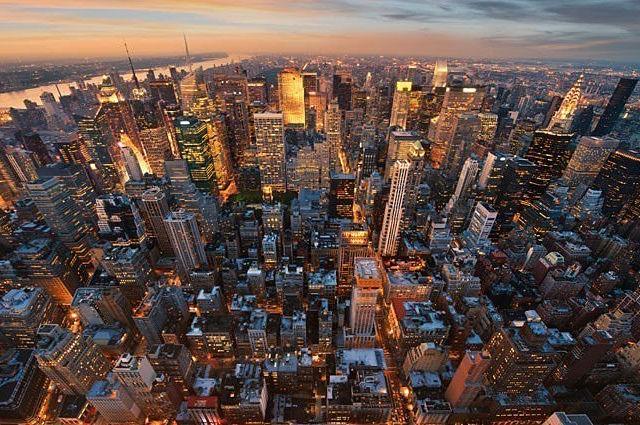
In recent decades, urbanization has emerged as a defining force shaping our world’s landscapes and economies. As cities expand and populations flock to urban centers in search of possibility and lifestyle, the implications for real estate markets are profound and far-reaching. The conversion is not merely quantitative; it alters the very fabric of neighborhoods,influences housing demand,and reshapes commercial dynamics. In this article, we will explore how the rapid pace of urbanization is impacting real estate trends today, from rising property values and innovative housing solutions to the challenges of sustainability and gentrification. By understanding these transformations,investors,developers,and policymakers can better navigate the complexities of an ever-evolving urban environment. Join us as we delve into the intricate relationship between urban growth and the real estate market,revealing insights that can inform decisions for years to come.
Table of Contents
- The Impact of Urbanization on Housing Demand and Supply Dynamics
- Navigating the Shift: Emerging Real Estate Opportunities in Urban Areas
- Sustainable Development: Aligning Real Estate Practices with Urban Growth
- Future-Proofing Investments: strategies for Adapting to Urbanization Trends
- The Conclusion
The Impact of Urbanization on Housing Demand and Supply Dynamics
As cities expand, the transformation of demographics frequently enough creates a ripple effect on housing demand, leading to increased pressure on local real estate markets. The influx of residents seeking employment, amenities, and lifestyle options contributes to rising property values and alters the dynamics of housing availability. This surge in demand can lead to higher rental prices, driving potential homebuyers toward a competitive market where affordable options become scarce. Developers and investors must keep pace with these shifts to provide adequate housing solutions that cater not only to premium needs but also to emerging demographics, such as young professionals and families.
Simultaneously, urbanization frequently enough results in shifts in supply dynamics, as land use policies and zoning regulations struggle to keep up. Cities may face challenges with infrastructure limits or outdated planning guidelines that hinder new developments. Moreover, the displacement of lower-income residents due to rising costs can create significant social ramifications and lead to calls for affordable housing solutions. To navigate these complexities, stakeholders must consider strategic partnerships and innovative financing options that balance economic growth with social equity, ensuring that urbanization results in inclusive communities rather than exacerbating existing inequalities.
Navigating the Shift: Emerging Real Estate Opportunities in Urban Areas
The ongoing wave of urbanization is stirring a paradigm shift in real estate opportunities, particularly in urban centers where the demand for housing and commercial spaces is sharply increasing. As populations swell in cities, developers and investors are focusing on mixed-use developments that cater to the diverse needs of city dwellers. This approach not only maximizes the utilization of limited space but also creates vibrant communities where people can live, work, and play—all within walking distance. Key trends in recognizing emerging real estate opportunities include:
- Affordable housing initiatives: With rising costs, the focus on creating budget-friendly living spaces is more crucial than ever.
- Green spaces adaptation: Incorporating parks and recreational areas into urban planning engages residents and enhances city livability.
- Smart technology integrations: Properties equipped with advanced technology offer improved energy efficiency and attract tech-savvy tenants.
Furthermore, the post-pandemic landscape has led many urban areas to rethink their real estate strategies. The growth of remote work has shifted priority toward suburbs and exurbs, where affordable housing and quality lifestyle options are becoming more enticing. However,it’s essential to balance this with thoughtful urban revitalization,ensuring that cities remain attractive via aesthetic enhancement and infrastructure improvements. A notable exmaple can be seen in the rebound of urban retail spaces, now being reimagined as versatile venues that can host local markets, pop-up businesses, and community events. Below is a quick overview of some cities seizing these trends:
| City | Emerging Opportunity | Key Developer Initiative |
|---|---|---|
| San Francisco | Mixed-use residential | Green rooftop projects |
| New York City | Affordable housing | Community co-living spaces |
| Austin | tech-focused commercial | Smart building infrastructures |
Sustainable Development: Aligning Real Estate Practices with Urban Growth
The intersection of real estate practices and urban growth is becoming increasingly critical as cities expand and evolve. As urbanization accelerates, developers and investors are prompted to adapt their strategies, ensuring that sustainability remains a core principle. The adoption of eco-friendly building materials, energy-efficient designs, and integrated green spaces not only fosters healthier communities but also enhances property value. As such, industry stakeholders are encouraged to prioritize practices that support both the environment and residents, including:
- Green Building Certifications: Pursuing LEED or similar certifications to demonstrate commitment to sustainability.
- Mixed-Use Developments: Creating spaces that blend residential, commercial, and recreational areas to reduce commuting and promote local economies.
- Smart Technologies: Implementing IoT solutions for energy management and utility conservation.
As urban centers continue to wrestle with challenges such as population growth and climate change, aligning real estate practices with these dynamics becomes imperative. Cities must embrace innovative approaches like adaptive reuse of existing structures, which considerably minimizes waste and promotes ancient preservation.Investment in public transport and walkable neighborhoods not only reduces the carbon footprint but also leads to enhanced quality of life for residents. Below is a brief comparison of the potential impacts of sustainable versus customary developments:
| Sustainable Development | Traditional Development |
|---|---|
| Lower environmental impact | Higher resource consumption |
| Increased property values long-term | Potential for rapid depreciation |
| Enhanced community well-being | Isolation and urban sprawl |
Future-Proofing Investments: Strategies for Adapting to Urbanization Trends
As urban populations continue to swell, investors must adopt adaptable strategies to ensure their real estate portfolios thrive in the face of rapid change. One effective approach is to focus on mixed-use developments, which combine residential, commercial, and recreational spaces. These neighborhoods not only meet the evolving needs of urban dwellers but also enhance property value. Moreover, by investing in transit-friendly locations, investors can maximize returns, as accessibility becomes a top priority for those seeking convenience in their daily commutes.
Another pivotal strategy lies in harnessing smart technology and sustainability practices,which are increasingly sought after by environmentally conscious buyers. Properties equipped with energy-efficient systems or smart home technologies often command higher prices and attract premium tenants. Additionally, staying informed about urban trends, such as changes in zoning laws, can provide a competitive edge. By keeping an eye on areas undergoing revitalization or development, investors can pinpoint lucrative opportunities before the market reacts. The following table outlines key strategies for future-proofing investments:
| Strategy | Description |
|---|---|
| Mixed-Use Developments | Integrating residential, commercial, and recreational spaces to foster community. |
| Transit-Friendly Locations | Investing in properties close to public transport hubs to attract urban commuters. |
| Smart Technology | Utilizing energy-efficient and connected systems to meet modern buyer expectations. |
| Sustainability Practices | Implementing green solutions to appeal to eco-conscious tenants and buyers. |
| Urban Trend monitoring | Staying informed about local developments to identify promising investment areas. |
The Conclusion
the impact of urbanization on real estate markets is both profound and multifaceted. As cities continue to grow and evolve, they not only attract a diverse population but also reshape the landscapes of investment, development, and community dynamics. Understanding these trends is essential for anyone involved in real estate, from investors and developers to urban planners and policymakers.
As we navigate this transformative era, keeping a pulse on urbanization trends will empower stakeholders to make informed decisions that can capitalize on emerging opportunities while addressing the challenges of sustainability and affordability. Whether you’re looking to invest, develop, or simply comprehend the changing tides of urban living, staying informed and adaptable is key.
Embrace the ongoing transformation—after all, the cities of today are reshaping the real estate markets of tomorrow. If you found this exploration insightful, be sure to subscribe for more updates and analyses on the evolving landscape of real estate and urban development. Thank you for reading!