

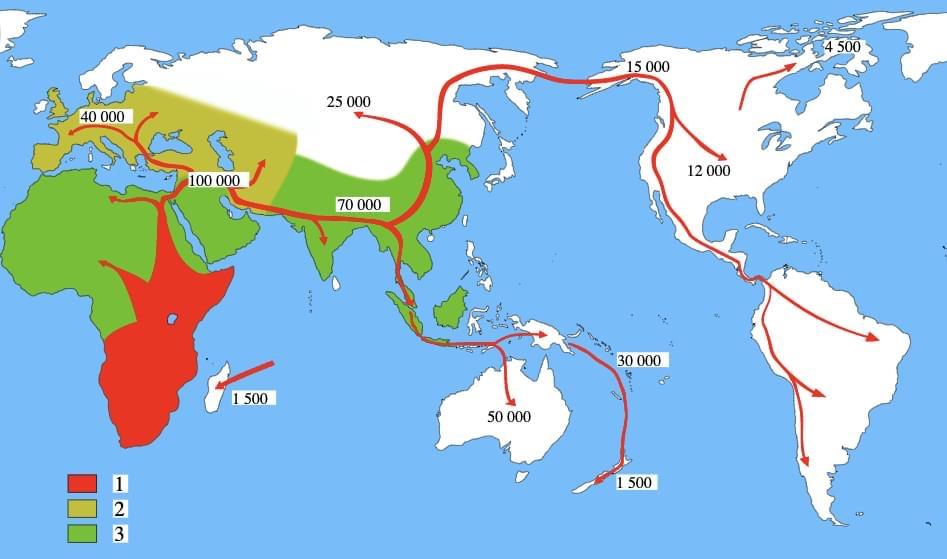
In an increasingly interconnected world, migration has become a pivotal factor shaping economic landscapes, influencing not only labour markets and cultural dynamics but also real estate trends across various regions. As individuals and families relocate for reasons ranging from employment opportunities to educational pursuits and lifestyle enhancements, their movements create ripples that profoundly affect local real estate markets. Understanding these migration patterns is essential for stakeholders—including investors, policymakers, and urban planners—who seek to navigate the complexities of property demand, pricing fluctuations, and urban progress.This article delves into the intricate relationship between migration and real estate, examining both historical and contemporary trends. By analyzing key variables such as demographic shifts,economic conditions,and policy changes,we aim to uncover the underlying drivers of migration and their subsequent effects on housing markets. Through a thorough exploration of case studies and statistical data, we highlight how different regions respond to migration influxes, the challenges they face, and the strategies employed to adapt to these changes. Ultimately, this analytical approach seeks to provide valuable insights that can inform decisions in a rapidly evolving real estate habitat, underscoring the need for agility and foresight in response to migration-driven market dynamics.
Table of Contents
- Understanding the Dynamics of Migration Patterns and Their Drivers
- Evaluating the Impact of Migration on Housing Demand and Prices
- Regional Variations in Real Estate Markets: A Case Study Approach
- Strategic recommendations for Investors and Policymakers in a Shifting Landscape
- To Conclude
Understanding the Dynamics of Migration Patterns and Their Drivers
The interplay of various factors influences migration patterns significantly, impacting both the demographics and economic landscapes of regions.Economic opportunities, such as job availability and wage levels, often serve as primary motivators for individuals and families seeking relocation. Additionally, the quality of life—including access to education, healthcare, and recreational facilities—can either attract or repel migrants.Considerations such as political stability and environmental factors, including climate change and natural disasters, create a complex matrix that shapes individual choices. regions that proactively manage these dynamics can leverage these migrations to foster economic growth, while others may face challenges resulting from population influx or exodus.
The consequences of shifting migration trends become evident in local real estate markets. Areas witnessing a surge in population density often experience an increase in demand for housing, which can lead to rising property values and rental prices. Conversely, regions that face out-migration may see property devaluation and increased vacancies. Understanding these patterns allows stakeholders—such as investors, developers, and policy-makers—to make informed decisions. Key factors influencing real estate dynamics include:
- Urbanization trends that push people toward city centers.
- Affordable housing initiatives that attract lower-income migrants.
- Infrastructure development that enhances accessibility and appeal.
- Demographic shifts that influence housing preferences and needs.
| Migration Driver | Impact on Real Estate |
|---|---|
| Job Growth | Increases demand for rental properties |
| Climate Factors | May drive people from affected areas, reducing demand |
| Social Services | Enhances attractiveness of certain neighborhoods |
| Aging Population | increases demand for retirement communities |
Evaluating the impact of Migration on Housing Demand and Prices
The interplay between migration and housing markets has garnered meaningful attention from economists and urban planners alike.As communities become more diverse through migration, the demand for housing in urban areas frequently enough undergoes notable shifts. Increased migration typically leads to a surge in housing demand, particularly in regions characterized by job opportunities and vibrant cultural scenes.This influx can drive up prices, making housing less accessible to long-standing residents and resulting in potential gentrification. it is essential to consider not only the quantitative aspects of this demand but also qualitative shifts in housing preferences influenced by newcomers’ tastes and needs.
Moreover, the implications of migration extend beyond immediate housing demands. This phenomenon can reshape the broader real estate landscape through various channels, including the demographics of buyers and renters. For instance, a younger demographic might prefer urban apartments with amenities, thereby creating a high demand for multi-family housing units.Conversely, families migrating for jobs may seek out single-family homes in suburban areas, which could lead to fluctuating market dynamics. The table below illustrates recent trends linking migration patterns to median home prices across selected cities:
| City | Net Migration (2022) | Median Home Price (2023) |
|---|---|---|
| San Francisco | +15,000 | $1,350,000 |
| Austin | +30,000 | $550,000 |
| New York | +20,000 | $950,000 |
| Seattle | +18,000 | $850,000 |
Regional Variations in Real Estate markets: A Case Study Approach
The dynamics of real estate markets can vary significantly across different regions, influenced by local factors such as economic conditions, demographics, and migration trends. In urban areas,for instance,an influx of skilled workers often leads to a surge in housing demand,resulting in rising property prices. In contrast, rural regions may experience a decline in population, prompting a decrease in real estate values. Understanding these trends is crucial for investors and developers who are looking to capitalize on emerging opportunities. Key indicators that reflect regional variations include:
- Job Growth: areas with expanding job markets tend to attract migrants, directly impacting housing demand.
- infrastructure Development: Investments in transportation and amenities can enhance property values.
- Demographic shifts: Changes in population age and makeup influence the types of properties that are in demand.
Analyzing specific case studies further elucidates these regional disparities. A comparison between tech hubs like San Francisco and manufacturing towns in the Midwest illustrates this point. Tech hubs often face a housing supply crunch as demand outstrips availability, leading to escalating rental prices and bidding wars for homes. Conversely, some manufacturing towns face stagnation as residents depart in search of jobs elsewhere, which can lead to an oversupply of properties and declining prices. The following table summarizes key statistics from these contrasting locales:
| Location | median Home Price | Population Growth Rate | Rental Vacancy Rate |
|---|---|---|---|
| San Francisco, CA | $1,400,000 | 2.5% | 4.2% |
| Detroit, MI | $150,000 | −1.8% | 12.5% |
Strategic Recommendations for Investors and Policymakers in a Shifting landscape
As migration patterns evolve, investors and policymakers must pivot their strategies to adapt to the changing demographics. This landscape shift offers both challenges and opportunities in real estate markets. Investors should focus on regions experiencing population growth, as these areas often witness heightened demand for housing. Key strategies may include:
- Investing in Emerging Markets: Identify cities or neighborhoods that attract newcomers due to economic opportunities, quality of life, or favorable climate.
- Developing Affordable Housing: With many migrants seeking affordable living options, targeted investment in budget-friendly properties can yield long-term returns.
- Strengthening Community Infrastructure: Collaborate with local governments to enhance public services, making areas more attractive to potential residents.
Policymakers,on the other hand,must devise frameworks that facilitate sustainable migration and housing development. This requires a holistic approach that incorporates labor market needs and housing availability. Effective strategies may involve:
- Implementing Zoning Reforms: Update zoning laws to simplify the development of multi-family and mixed-use properties.
- Incentivizing Mixed-Income Housing: Encourage private developers to build diverse housing that caters to various income levels.
- promoting Regional Partnerships: Foster collaboration between different municipalities to address housing shortages and improve transportation links.
To Conclude
the intricate relationship between migration patterns and real estate markets underscores the profound impact demographic shifts have on urban development and property dynamics. As we have examined, fluctuations in population movement—whether driven by economic opportunities, climate change, or geopolitical factors—significantly influence not only the demand for housing but also the pricing, investment trends, and overall viability of real estate projects.
Understanding these patterns is crucial for stakeholders across the spectrum, from investors and developers to policymakers and urban planners. By leveraging analytical tools and data-driven insights, we can better anticipate market changes, adapt strategies proactively, and ultimately foster resilient communities capable of thriving in an ever-evolving environment.
As migration continues to shape our landscapes, ongoing research and analysis will be paramount for navigating the complexities of real estate markets and making informed decisions. By staying attuned to these trends, we can unlock opportunities that contribute to sustainable urban growth and development, ensuring that the benefits of migration are realized in both economic and social dimensions. The interplay of migration and real estate will remain a key area for exploration, as understanding its nuances can help pave the way for a more adaptable and responsive housing market in the future.