

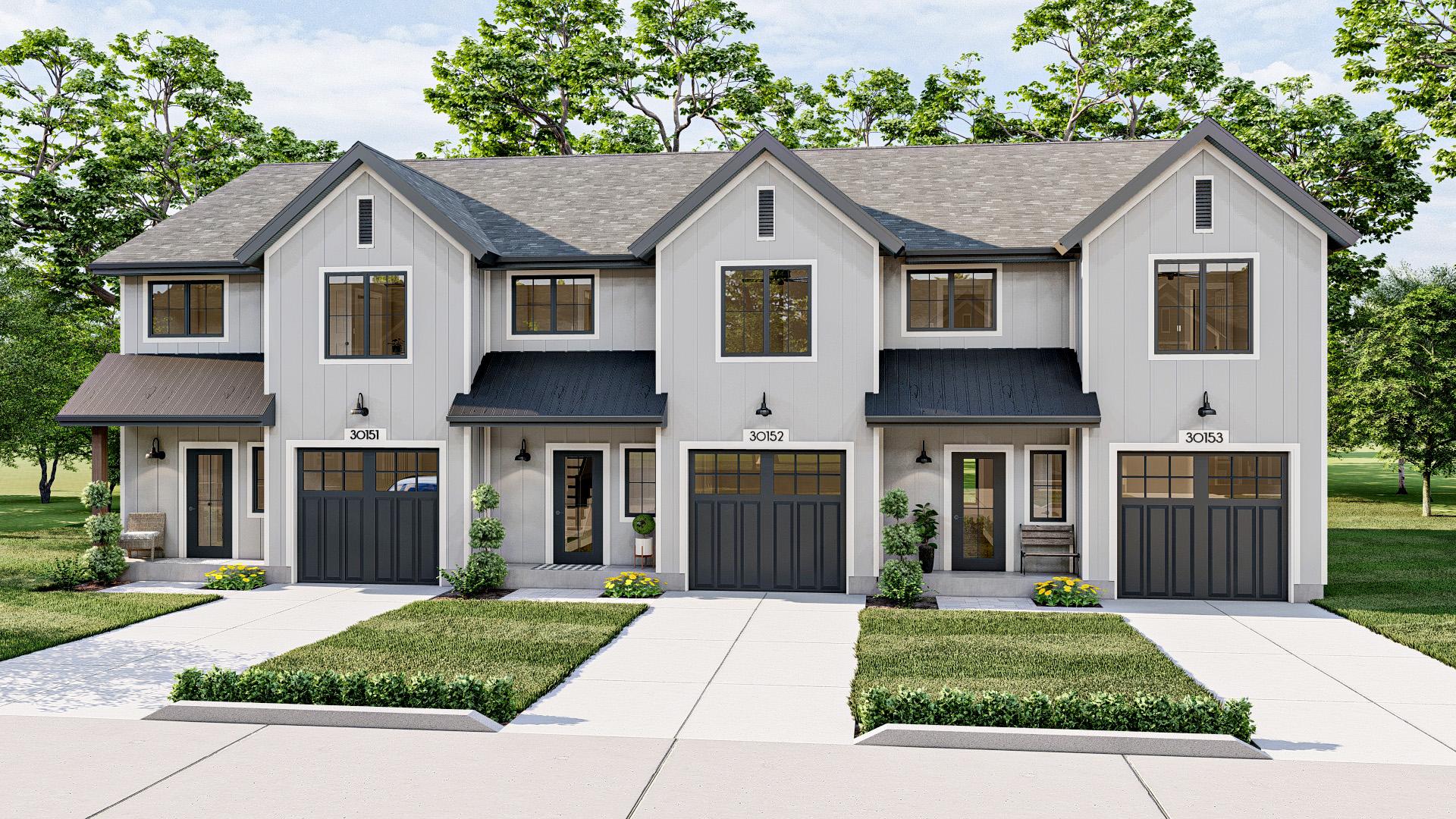
As the multi-family housing market continues to evolve in response to shifting demographics, economic forces, and social preferences, industry stakeholders are closely monitoring a variety of trends that are redefining modern living options. In an era marked by a burgeoning population of renters, increased urbanization, and a surge in remote work, developers, investors, and property managers are adapting their strategies to meet the changing needs of residents. From the rise of enduring and smart building technologies to the growing emphasis on community-centric amenities,the multi-family sector is witnessing a transformative period. This article delves into the current trends shaping the market, highlighting innovative approaches that are not only enhancing the tenant experience but also promising long-term viability for investment in this dynamic landscape.
Table of Contents
- Current Preferences in Tenant Amenities Driving Market Changes
- Sustainable Design as a Key Focus for Modern Developments
- Technological Advancements Enhancing Resident Experience
- Strategies for Investors in an Evolving Multi-Family Landscape
- The Way Forward
Current Preferences in Tenant Amenities Driving Market Changes
As the multi-family housing market evolves, tenant amenities have become pivotal in attracting residents and retaining occupancy rates. The growing preference for integrated lifestyle features is reshaping the competitive landscape in urban developments. Modern renters are now prioritizing experiential offerings over basic necessities, prompting landlords to invest in innovative amenities such as:
- Smart home technology—providing seamless connectivity and energy efficiency.
- Flexible workspaces—designated areas for remote work that foster productivity and collaboration.
- Wellness amenities—featuring fitness centers, yoga studios, and meditation gardens, promoting resident well-being.
Additionally, outdoor spaces are gaining traction among tenants, reflecting a broader trend toward sustainability and community engagement. Properties that incorporate green features—like rooftop gardens, urban farms, and communal lounges—are not only appealing aesthetically but also contribute to a sense of community among residents. To illustrate this shift, the following table summarizes emerging amenity trends observed in recent property developments:
| Amenity | Percentage of New Developments Featuring This Amenity |
|---|---|
| Smart Home packages | 68% |
| Co-Working Spaces | 55% |
| Fitness and Wellness Centers | 72% |
| Outdoor Community Spaces | 60% |
Sustainable Design as a Key Focus for Modern Developments
Modern developments in the multi-family housing market are increasingly prioritizing sustainable design as a foundational element. Incorporating eco-pleasant practices not only meets the growing demand from environmentally conscious consumers but also aligns with emerging government regulations promoting sustainability. Builders and architects are leveraging advanced technologies to create energy-efficient homes that minimize environmental impact. Key features shaping this trend include:
- Green Building Certifications: Initiatives like LEED and Energy Star are now standard benchmarks.
- Use of Renewable Materials: Emphasis on recycled and locally-sourced materials reduces carbon footprints.
- Energy Management Systems: Smart technology allows residents to monitor and control energy usage effectively.
- Indoor Air quality Improvements: Implementation of ventilation and filtration systems promotes healthier living environments.
Additionally, the economic benefits of sustainable design cannot be overlooked. Developers find that investing in green technologies provides long-term cost savings through reduced utility bills and increased property values. Potential renters and buyers are drawn to properties that not only offer modern amenities but also engage in responsible environmental stewardship. A recent survey indicated that 70% of potential tenants prefer multi-family housing options that emphasize sustainability, reflecting a significant shift in market preferences.
| Feature | Benefits |
|---|---|
| Solar Panels | Lower utility costs and reduced reliance on grid energy |
| Rainwater Harvesting | Decreased water consumption and sustainable landscaping |
| Green Roofs | Improved insulation and reduction of urban heat |
Technological Advancements Enhancing Resident Experience
The evolution of technology in multi-family housing is playing a pivotal role in enhancing the living experience for residents. Modern amenities go beyond simple conveniences; they are increasingly integrated into the design and daily operations of residential buildings. Key innovations include:
- Smart Home Technology: Residents can now control lighting, heating, and security systems through smartphones or voice-activated devices, offering both convenience and security.
- Mobile Apps: dedicated applications allow residents to manage everything from package deliveries to maintenance requests with ease, streamlining dialog with property management.
- Community Engagement Platforms: Online forums and event calendars foster a sense of community, connecting residents and encouraging social interaction.
additionally, the integration of sustainability into technological advancements enhances not only the resident experience but also the environmental footprint of multi-family housing. Advancements such as:
| Technology | Benefit |
|---|---|
| Energy Management Systems | Optimize energy usage, reducing bills and promoting eco-friendliness. |
| Water Conservation Solutions | Smart irrigation and water-saving fixtures conserve resources. |
| Advanced Air Quality Sensors | Maintain healthy indoor environments for residents. |
Thes eco-conscious features not only appeal to a growing demographic of environmentally aware consumers but also contribute to a more sustainable and enjoyable living surroundings, setting a new standard in the multi-family housing market.
Strategies for Investors in an Evolving Multi-Family Landscape
As the multi-family housing market continues to evolve, investors need to adapt their strategies to capitalize on emerging opportunities. Diversifying portfolios is becoming increasingly critically important,as trends such as remote work and urban migration shift the demand for housing types and locations.Investors should consider incorporating a variety of property types, including luxury apartments, affordable housing, and mixed-use developments, to accommodate the changing preferences of tenants. Additionally, paying attention to sustainability can provide a competitive edge; properties that boast energy-efficient systems and environmentally friendly amenities are more likely to attract both residents and investors.
Another critical approach for success in this dynamic market is leveraging technology to enhance property management and tenant experiences. Smart home technologies, such as keyless entry and energy management systems, can increase tenant satisfaction and retention, while also reducing operational costs.A focus on community-building initiatives and tenant engagement platforms not only fosters a sense of belonging but also elevates the property’s appeal in a crowded market. To summarize,integrating adaptability and innovation into investment strategies is key for thriving in today’s multi-family landscape:
| Strategy | Benefit |
|---|---|
| Diversification of Portfolio | Mitigates risk and addresses varying tenant demands |
| Focus on Sustainability | Increases market value and tenant attraction |
| Embrace Technology | Enhances tenant experience and operational efficiency |
| Community-Building Initiatives | Promotes tenant retention and lowers vacancy rates |
The Way forward
the multi-family housing market is undergoing significant transformations driven by shifting demographic preferences,technological advancements,and a growing emphasis on sustainability. As urbanization continues to rise and the demand for adaptable living spaces increases, stakeholders must stay attuned to these trends to navigate the complexities of the market effectively. From the integration of smart technologies to the prioritization of communal amenities, these changes are reshaping not only how we build and manage multi-family properties but also how we envision community living in the future. As we look ahead, it is crucial for investors, developers, and policy makers alike to embrace these evolving dynamics, ensuring they meet the needs of today’s residents while fostering sustainable growth in the housing sector.