

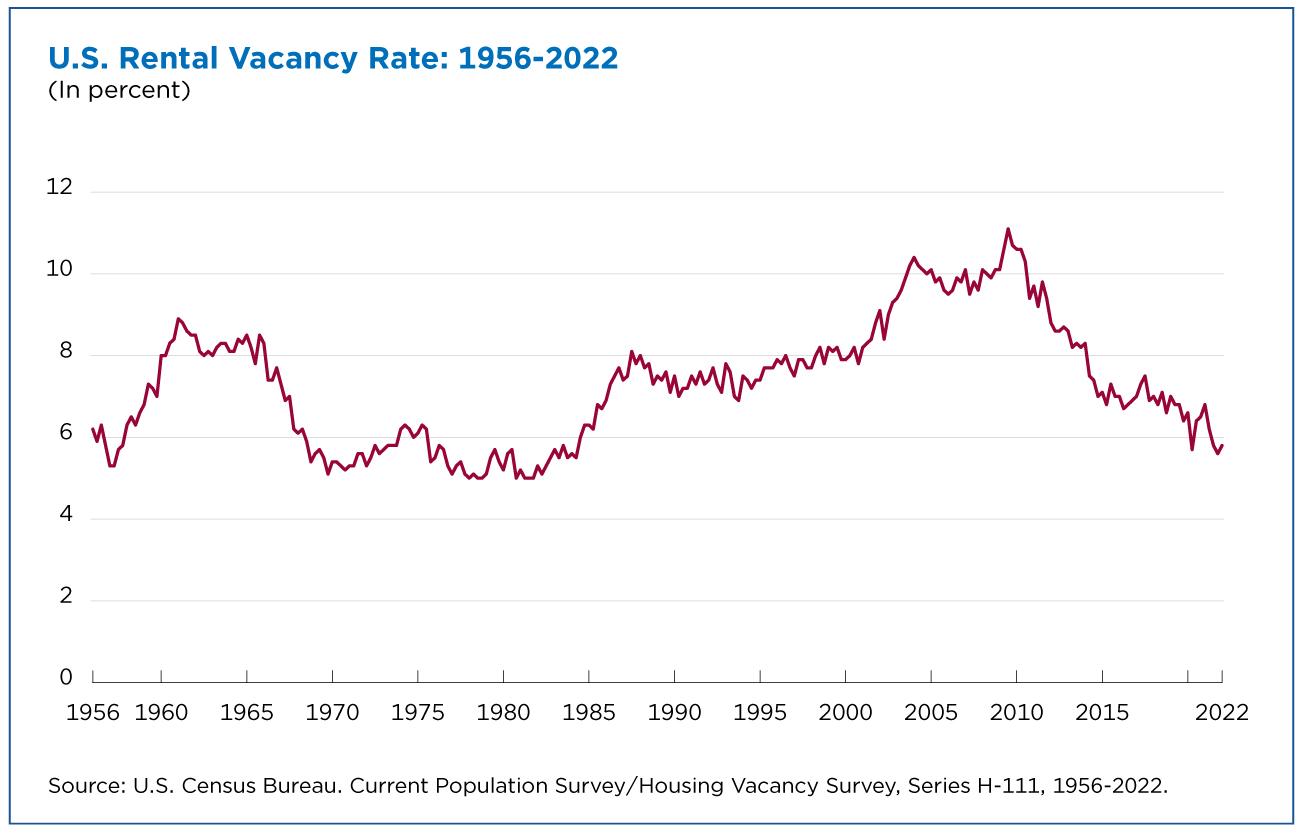
In the ever-evolving landscape of real estate, understanding rental vacancy rates is crucial for investors, landlords, and policy makers alike. These rates not only serve as vital indicators of market health, but they also reflect broader economic conditions, demographic trends, and shifts in consumer preferences.This article delves into the intricacies of rental vacancy rates, exploring their implications for the housing market and the broader economic surroundings.By examining the factors that influence vacancy rates—such as local job growth, housing supply and demand dynamics, and changes in rental pricing—we aim to elucidate the underlying trends shaping the market. Moreover, we will consider the potential impact of fluctuating vacancy rates on investment strategies, rental pricing, and urban growth policies. Ultimately, this analysis seeks to provide a comprehensive understanding of how rental vacancy rates can inform decision-making for stakeholders operating within this critical sector of the economy.
Table of Contents
- understanding the Dynamics of Rental Vacancy Rates and Their Influences on Market Trends
- Assessing the Impact of Economic Factors on Rental Vacancy Rates and Tenant Behavior
- Strategic Recommendations for Landlords to Mitigate Vacancy Risks and Optimize Occupancy
- Forecasting Future Rental Market Conditions Based on current Vacancy Rate Trends
- The Conclusion
Understanding the Dynamics of Rental Vacancy Rates and Their Influences on Market trends
Understanding the dynamics of rental vacancy rates involves examining various factors that can substantially affect the rental market.High vacancy rates frequently enough indicate an oversupply of rental units, leading to increased competition among landlords. In such scenarios, property owners might resort to lowering rental prices to attract tenants. Several key influences on vacancy rates include:
- Local Economic Conditions: Employment rates and income levels directly correlate with housing demand.
- Seasonal Trends: Certain months may experience higher vacancy rates due to tenant turnover, especially in areas with a large student population.
- new Developments: The introduction of new rental properties can saturate the market, increasing vacancy rates.
Moreover, rental vacancy rates serve as a critical indicator for real estate investors and stakeholders. A thorough analysis can reveal emerging trends within specific neighborhoods or regions. As an example, if vacancy rates consistently rise in a metropolitan area, it may signal a shift in tenant preferences or the need for property renovations. Key considerations in this analysis include:
| Indicator | Implication |
|---|---|
| Decreased Rental Prices | Higher demand may foster affordability for tenants. |
| Increased Rental Prices | Lower vacancy could indicate a strong market shift favoring landlords. |
Assessing the Impact of Economic factors on Rental Vacancy Rates and Tenant Behavior
The intricate relationship between economic factors and rental vacancy rates can provide valuable insight into tenant behavior and market dynamics. Various economic elements play crucial roles, including employment rates, income levels, and interest rates. For instance, a rise in employment can lead to increased disposable income, resulting in greater demand for rental properties. Conversely, high interest rates may deter potential buyers, leading to a more competitive rental market. Categories such as urban versus suburban locations also influence vacancy rates, with urban areas often experiencing lower vacancies due to higher desirability coupled with job availability.
Understanding these economic factors allows landlords and property managers to make informed decisions regarding pricing and marketing strategies. Factors influencing tenant behavior in response to economic shifts include:
- Price sensitivity: Changes in household income can significantly impact tenants’ willingness to pay premium rent.
- location preferences: Economic development in specific areas can attract more tenants, leading to a reduction in vacancy rates.
- Lease terms versatility: Economic uncertainty may lead tenants to favor shorter lease agreements for increased mobility.
| Economic Factor | Impact on Vacancy Rates |
|---|---|
| Employment Rate | Higher employment leads to lower vacancies as demand increases. |
| Income Levels | Higher income supports higher rent tolerance, reducing vacancies. |
| interest Rates | High interest rates may increase rental demand as buying homes becomes less feasible. |
Strategic Recommendations for Landlords to mitigate Vacancy Risks and Optimize Occupancy
To effectively reduce vacancy risks, landlords should embrace a proactive and multifaceted approach. One key strategy is to enhance the property’s appeal through regular maintenance and modern renovations. This includes updating essential amenities and investing in aesthetic improvements such as landscaping and lighting. Additionally, offering flexible lease terms can attract a wider pool of potential tenants. As an example, consider the following strategies:
- Flexible Lease Options: Short-term leases or month-to-month arrangements can appeal to transient populations.
- Incentivizing Early Signatures: Providing discounts or perks for tenants who sign leases well in advance can lock in occupancy.
- targeted Marketing: Utilize online platforms and social media channels to reach specific demographics interested in your rental properties.
Landlords should also implement robust tenant screening processes to ensure stable occupancy and minimize turnover rates. A thorough vetting process can identify reliable tenants who are likely to pay rent on time and maintain the property. Additionally, establishing strong communication channels with tenants can foster long-term relationships and encourage lease renewals.The following practices can further solidify tenant engagement:
- Regular Surveys: Conduct periodic surveys to gauge tenant satisfaction and address concerns promptly.
- Responsive Maintenance: Create a reliable maintenance response system to handle tenant requests swiftly.
- Community Building Activities: Organize events that promote community interaction among tenants, enhancing their sense of belonging.
| Strategy | Expected Outcome |
|---|---|
| Enhanced Property Appeal | Attract more applicants, reduce vacancy duration |
| Flexible Lease Options | Broaden tenant pool, secure consistency in occupancy |
| Robust tenant Screening | lower turnover rates, foster community |
Forecasting Future Rental Market Conditions Based on Current Vacancy Rate Trends
Understanding current vacancy rate trends is crucial for predicting future rental market conditions. When vacancy rates are high, it often signals an oversupply of rental units, leading to declining rental prices as landlords compete for tenants. In contrast, low vacancy rates can indicate strong demand, frequently enough resulting in increased rents and a tightening market as available units become scarce. Given these dynamics, stakeholders can anticipate various implications:
- Rental Pricing Adjustments: Higher vacancy rates tend to pressure landlords to lower rents or offer concessions, whereas lower vacancy rates can empower them to raise prices.
- Investment Opportunities: Areas with persistently high vacancy may deter new investments, while neighborhoods experiencing low vacancy rates attract developers seeking profitable ventures.
- Market Stability: A strong rental market with low vacancy can foster economic growth, while consistently high vacancy might indicate underlying issues within the local economy.
To underscore these trends, the table below illustrates hypothetical vacancy rates and their corresponding market outlook:
| Vacancy Rate | Market Condition | Rental Price Trend |
|---|---|---|
| 0-3% | Strong Demand | Increasing |
| 4-6% | Stable | Stable |
| 7-10% | Oversupply | Decreasing |
| Above 10% | Weak | Significantly Decreasing |
The Conclusion
the analysis of rental vacancy rates serves as a critical lens through which one can assess the dynamics of the housing market. By examining the fluctuations in vacancy rates, stakeholders—including investors, property managers, and policymakers—can glean insights into broader economic trends, demographic shifts, and the overall health of the rental sector. as we have explored, high vacancy rates may indicate an oversupply of rental units or shifting demand, while low rates signal a competitive market environment.
Furthermore, the implications of these vacancy rates extend beyond individual markets; they can influence rental pricing strategies, investment decisions, and urban development plans. As we look ahead, continuous monitoring and analysis of these rates will be essential for making informed decisions that enhance market resilience.
Ultimately, understanding the complexities surrounding rental vacancy rates enables stakeholders to navigate the evolving landscape effectively, ensuring that strategic choices align with market realities.As we adapt to changing economic conditions and demographic trends, a robust grasp of vacancy dynamics will remain fundamental to informed policy and investment strategies within the rental market.