

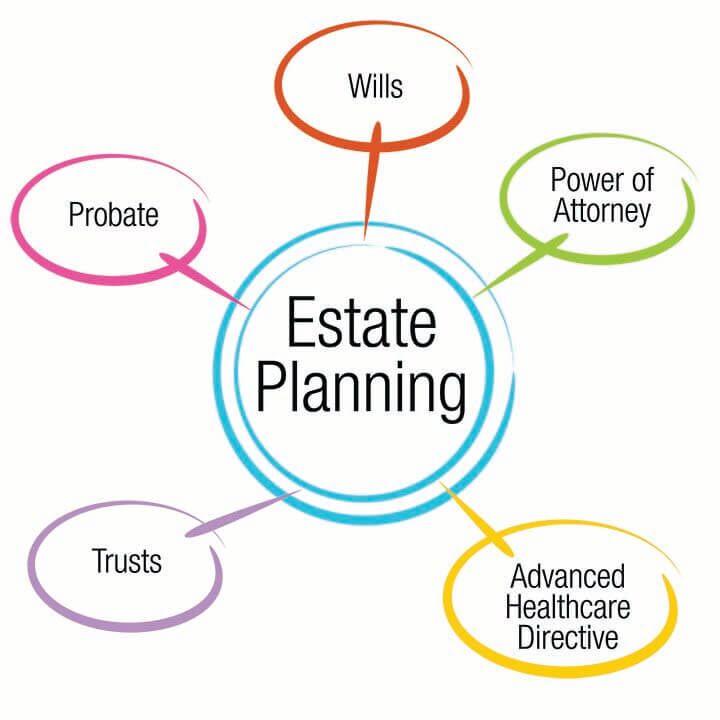
In the realm of real estate, the intricate relationship between ownership and estate planning often remains underexplored, yet it holds profound implications for property management and transfer. As individuals accumulate assets over their lifetime, the decisions surrounding these assets—especially real estate—are paramount not only for personal wealth but also for ensuring a seamless transition to future generations. Estate planning serves as a strategic framework that can substantially influence how real estate is owned, managed, and passed down, thereby affecting not only the financial stability of families but also the broader real estate market. This article endeavors to delve into the nuanced ways that effective estate planning can shape real estate ownership, highlighting the benefits of foresight and preparation in safeguarding assets and enhancing their value over time. Through careful examination of relevant strategies, legal considerations, and case studies, we aim to provide a comprehensive understanding of how estate planning intertwines with the dynamics of real estate ownership, ultimately empowering individuals to make informed decisions for their property investments.
Table of Contents
- Understanding the Basics of estate Planning and Real Estate Ownership
- The Role of Trusts in Facilitating smooth Property Transfers
- Tax implications of Estate Planning on Real Estate Holdings
- Best Practices for Integrating Estate Planning into Real Estate Strategies
- in Summary
Understanding the Basics of Estate Planning and Real Estate Ownership
Estate planning is a multifaceted process that ensures your assets, particularly real estate, are allocated according to your wishes after your passing. One crucial aspect of estate planning is the designation of beneficiaries for your properties. This process involves creating legal documents, such as wills and trusts, to streamline the transfer of ownership and minimize disputes among heirs. Understanding the basic legal structures available—such as joint tenancy, tenants in common, and revocable living trusts—can significantly influence how your real estate is managed and inherited. By thoughtfully selecting the right ownership model, you can mitigate potential tax implications and safeguard against probate complications.
furthermore, the inclusion of real estate in your estate plan necessitates a clear understanding of ongoing property management.Regular maintenance, insurance, and taxes become pivotal points of consideration. Failure to address these can lead to wasted assets or diminished value over time. Here are some essential considerations:
- Valuation: Ensure your properties are appraised regularly to reflect current market conditions.
- Clear Documentation: Maintain accurate property records to ease ownership transitions.
- Tax Implications: Be aware of estate taxes and their impact on your heirs.
To visualize how estate planning can impact real estate ownership, consider the following comparison of ownership structures:
| Ownership Type | Pros | Cons |
|---|---|---|
| Joint Tenancy | Right of survivorship, avoids probate. | May cause unequal distribution if not planned correctly. |
| Tenants in Common | Flexibility in ownership percentage, can sell ownership shares. | Potential for disputes among co-owners. |
| revocable Living Trust | Maintains privacy and allows for easy modification. | Initial setup can be complex and costly. |
The Role of Trusts in Facilitating Smooth Property Transfers
Trusts play a crucial role in streamlining the transfer of property from one generation to the next, minimizing the complexities often associated with estate transitions. By placing assets into a trust, property owners can designate specific terms and conditions for the distribution of those assets, allowing for a seamless transfer process upon their passing. This mechanism not only avoids the cumbersome process of probate, which can be time-consuming and costly, but also provides privacy for the beneficiaries, ensuring that the details of the estate remain confidential.
Moreover, the flexibility and control offered by trusts empower property owners to tailor their estate plans to suit their unique needs. The benefits of utilizing a trust for property transfers include:
- Avoiding probate: This saves time and legal fees.
- Protecting assets: Trusts can shield properties from creditors and lawsuits.
- Reducing tax liabilities: Certain trusts can help in minimizing estate taxes.
- Providing clear directives: Trusts specify how and when beneficiaries will receive their assets.
This strategic approach not only preserves the value of the property but also fosters harmony among heirs, reducing the likelihood of disputes and litigations that can arise during traditional property transfers.
Tax Implications of Estate Planning on real estate Holdings
When it comes to estate planning, the treatment of real estate holdings is critical due to various tax implications that can significantly affect the net value of an estate. Capital gains tax is one of the primary concerns; if real estate has appreciated in value, the sale has the potential to trigger a taxable event. Understanding the Stepped-Up Basis Rule can alleviate this concern, as assets inherited typically receive a new basis equal to their fair market value at the time of the owner’s death, which can reduce capital gains liability for heirs. This rule means that if the heirs decide to sell the property shortly after inheriting it, they might not owe any capital gains tax at all, provided they sell at or near the inherited value.
Additionally, estate taxes can present another layer of complexity. Properties exceeding certain value thresholds may be subject to federal and state estate taxes, which can consume a meaningful portion of the estate’s value before distribution to heirs.To navigate these challenges, estate planners frequently enough utilize strategies such as Trusts, which can provide benefits like avoiding probate, protecting assets from creditors, and potentially reducing tax liabilities. The following table summarizes key considerations for real estate ownership in estate planning:
| Consideration | Implication |
|---|---|
| Capital Gains Tax | Potential tax on gratitude when sold |
| Stepped-Up Basis Rule | Can minimize capital gains tax for heirs |
| Estate taxes | Assets may be taxed before distribution |
| Setting up Trusts | Avoid probate and potentially reduce taxes |
best Practices for Integrating Estate Planning into Real Estate Strategies
Integrating estate planning into real estate strategies is essential for ensuring long-term success and protection of assets.Start by assessing your needs through a comprehensive evaluation of your existing property holdings and future goals. involve professionals such as real estate attorneys and financial advisors who specialize in estate planning to facilitate a thorough analysis. This collaborative approach will help identify potential risks, tax implications, and opportunities for leveraging real estate assets effectively. Key aspects to focus on include:
- Property titling – determine the most beneficial ownership structure.
- Trusts – Consider using revocable or irrevocable trusts to manage assets.
- Tax implications – analyze how inheritance taxes might affect future property transfers.
- Beneficiary designations – Update these to reflect your current wishes.
Furthermore,maintaining clear documentation and regularly updating your estate plan is crucial. Create a real estate portfolio that reflects your investment strategy and communicates your intentions to heirs. Having a well-structured plan will minimize disputes and streamline the transfer process. Consider creating a table to outline property details, ownership structures, and associated responsibilities:
| Property | Ownership Type | Beneficiary |
|---|---|---|
| Beach House | LLC | John Doe |
| Urban Condo | Joint tenancy | Jane doe |
| Rural Land | Family Trust | children |
In Summary
the intricate relationship between estate planning and real estate ownership underscores the importance of proactive and informed decision-making in safeguarding one’s assets.As we have explored, effective estate planning not only facilitates a smooth transition of property ownership across generations but also plays a vital role in minimizing tax liabilities and avoiding potential disputes among heirs. Estate planning is not merely an afterthought but a strategic approach that empowers property owners to shape their legacies. As both the real estate landscape and legal frameworks continue to evolve, staying informed and seeking professional guidance will be essential in navigating these complexities. We encourage readers to consider the implications of their real estate investments within the context of comprehensive estate planning to ensure their ownership experience aligns with their long-term goals and wishes. Thank you for joining us in this exploration of a critical aspect of property ownership.