

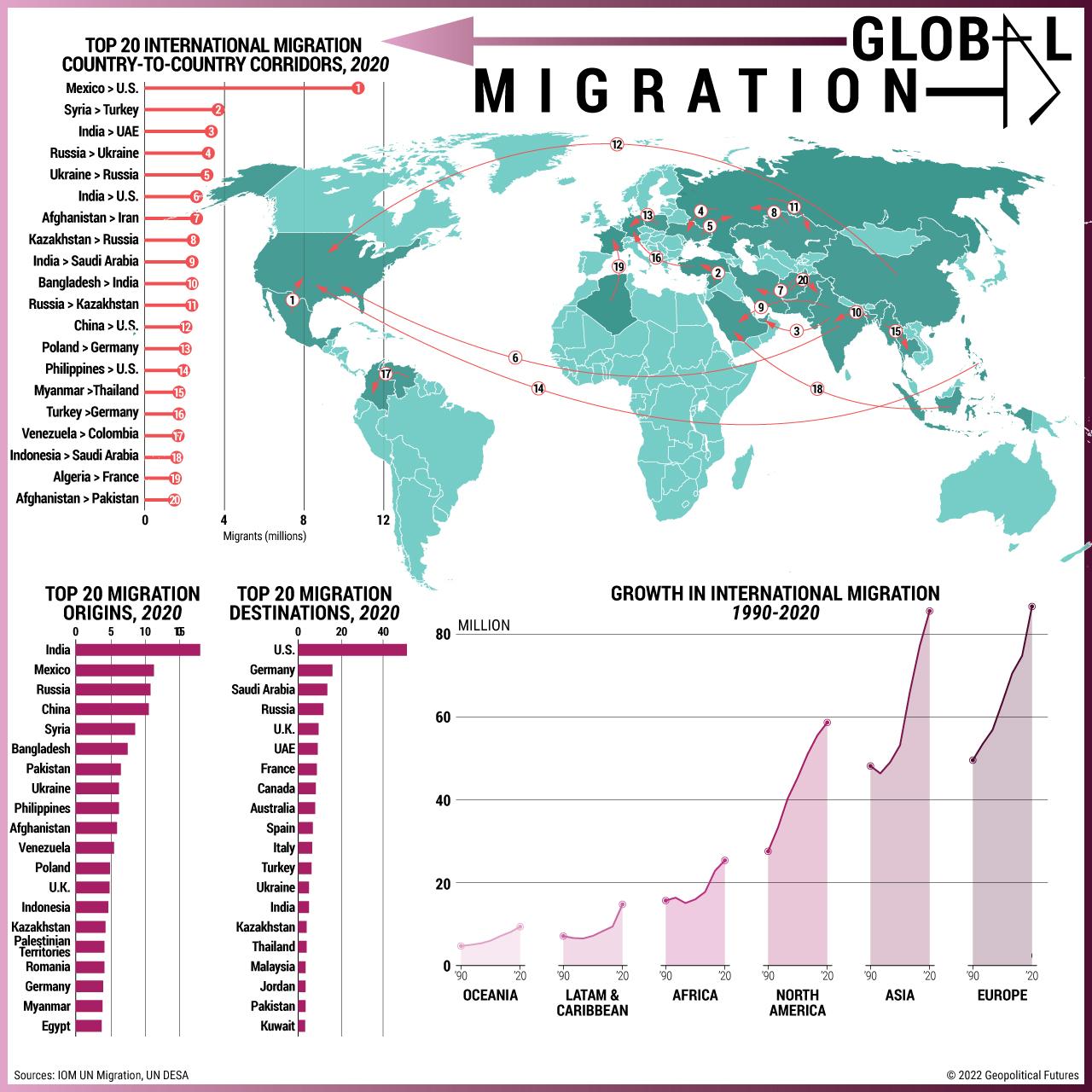
As global mobility continues to evolve in teh 21st century, the dynamics of migration have become a critical factor influencing a multitude of sectors, most notably real estate. Driven by a complex interplay of economic, social, and environmental factors, migration trends are reshaping urban landscapes and redefining housing markets across the globe. Understanding these trends not only provides insights into demographic shifts but also offers key indicators for real estate investment and development strategies. This article delves into the multifaceted nature of migration, examining both its historical context and contemporary implications, as we seek to analyze how shifts in population movements are affecting housing demand, property values, and urban planning initiatives. By exploring data-driven patterns and case studies from various regions,we aim to illuminate the intricate relationship between migration and real estate,offering stakeholders a clearer vision of future trends and opportunities in this ever-changing landscape.
Table of Contents
- Understanding migration Patterns: Key Drivers and Demographic Shifts
- Evaluating the Influence of Economic Factors on Migration Trends
- Assessing the Impact of Migration on Housing Demand and Supply
- Strategic Recommendations for Real Estate Investment in Emerging Markets
- To Conclude
Understanding Migration Patterns: Key drivers and Demographic Shifts
The intricacies of migration patterns are pivotal in understanding the dynamics of real estate markets. Several key drivers contribute to the flow of populations across regions, and these factors not only influence where people choose to live but also shape the characteristics of housing demand and urban development. Among the primary drivers are:
- economic Opportunities: individuals and families often relocate in search of better employment prospects,which can lead to increased demand in burgeoning job markets.
- Social Factors: Family reunification, access to education, and community ties also play critically important roles in migration decisions.
- Climate Change: Environmental factors, such as rising sea levels and natural disasters, are increasingly prompting relocations, leading to demographic shifts in vulnerable areas.
Demographic shifts resulting from migration have profound implications for real estate. As populations concentrate in urban areas, there is a heightened demand for housing, particularly affordable options.This trend can be illustrated in the following table, which outlines the migration flow and its correlation with real estate growth in selected cities:
| City | population Growth (%) | Average Property Value Change (%) |
|---|---|---|
| City A | 12% | 15% |
| City B | 8% | 10% |
| City C | 15% | 20% |
This correlation highlights how migration not only reshapes populations but also directly affects the real estate landscape, emphasizing the need for stakeholders to adapt strategies in response to these ongoing shifts.
Evaluating the Influence of Economic Factors on Migration Trends
The relationship between economic factors and migration trends is a complex interplay that frequently reflects the changing dynamics of global markets. Economic stability, job availability, and income potential are primary drivers influencing individuals and families to relocate. when regions demonstrate strong economic growth, such as increased employment opportunities or an influx of businesses, they naturally attract migrants seeking better prospects. Conversely, areas suffering from economic downturns often experience an outflow of residents as individuals search for more favorable conditions elsewhere. Moreover, disparities in living costs can also shape migration patterns, prompting people to move to regions where their earnings can stretch further, enhancing their quality of life.
Moreover, the impact of migration on local economies and real estate markets can be profound. As populations grow in response to favorable economic conditions, the demand for housing typically rises. This surge in demand can lead to increased property prices, a bustling rental market, and potential gentrification in previously declining neighborhoods. To better understand these dynamics,consider the following key factors that illustrate the relationship between migration patterns and real estate demand:
| Economic Factor | Migration Impact | Real Estate Effect |
|---|---|---|
| Job Creation | Increased in-migration | Higher demand for housing |
| Wage Growth | Population retention | Rising property values |
| Cost of Living | Out-migration | Decrease in demand for rentals |
Understanding these connections is crucial for stakeholders in real estate,government,and economic planning sectors,as they shape policies and investment strategies that accommodate the shifting demographic landscape.
Assessing the Impact of Migration on Housing Demand and Supply
The movement of people across borders profoundly influences the dynamics of housing markets, creating shifts in both demand and supply. As regions become more desirable due to economic opportunities, educational facilities, or social networks, they attract a larger population, which in turn drives increased demand for housing. For example, urban areas that see a surge in migration may experience a spike in rent prices and property values, compelling manny local residents to reconsider their housing options. Furthermore, this increased demand often leads to the development of new housing projects, which can include everything from multifamily apartments to single-family homes.
Simultaneously, the influx of migrants can also help to address existing housing shortages by revitalizing underdeveloped areas. As newcomers settle in a community, they may invest in renovations or commercial enterprises, thereby encouraging further investment in the local housing market. This can lead to gentrification, where the change of neighborhoods not only improves living conditions but also drives up property prices. To better illustrate these trends, the following table summarizes the relationship between migration, housing demand, and the corresponding changes in market supply:
| year | Migration Flow | Demand Change (%) | Supply Response (Units) |
|---|---|---|---|
| 2021 | High influx | 25% | 3,000 |
| 2022 | Moderate influx | 10% | 1,500 |
| 2023 | Stable | 5% | 700 |
Strategic Recommendations for Real Estate Investment in Emerging Markets
The dynamics of migration significantly shape real estate opportunities in emerging markets. investors should closely monitor demographic trends and urbanization patterns, which often correlate with increased demand for residential and commercial properties. Key areas of focus include:
- Population Growth: Identify cities experiencing rapid population increases that drive housing needs.
- Economic Development Zones: Target regions with government incentives or improved infrastructure that attract businesses and residents alike.
- Cultural Communities: Look for neighborhoods with established expatriate communities, as they boost rental demands and property values.
Moreover, assessing local policies and migrant integration initiatives can provide insights into the long-term viability of investments. Given the unique challenges faced by emerging markets, strategic partnership with local stakeholders is essential. Recommended actions include:
- collaborative Ventures: Engage with local developers and real estate firms to navigate regulatory landscapes effectively.
- Risk Assessment: Conduct thorough evaluations of socio-political stability and economic forecasts to mitigate investment risks.
- Continuous Research: Stay updated on migration patterns and shifts in consumer preferences to adapt investment strategies accordingly.
| Region | Key Indicator | Investment Opportunity |
|---|---|---|
| Sub-Saharan Africa | High urbanization rate | Residential complexes |
| Latin America | Rising expatriate population | Rental properties |
| Southeast Asia | Government-led infrastructure projects | Commercial real estate |
To Conclude
the intricate relationship between migration trends and the real estate market is both profound and multifaceted. As populations shift in response to economic opportunities, environmental changes, and sociocultural dynamics, the impact on real estate becomes increasingly apparent. Understanding these trends is essential for stakeholders across the industry—from developers and investors to policymakers and urban planners.
By continuously analyzing migration patterns, we can better anticipate changes in demand for housing, commercial spaces, and infrastructure. This foresight not only aids in strategic planning but also fosters more enduring development practices that consider the long-term effects of demographic changes.
Moreover, the interplay between migration and real estate is not static; it evolves with global events, technological advancements, and policy shifts.As we move forward, a keen awareness of these factors will be crucial in navigating the complexities of real estate markets. Engaging in this ongoing analysis will equip us to respond proactively to emerging trends, ensuring that we create resilient and inclusive communities that cater to the diverse needs of a changing population. As such, the study of migration’s impact on real estate is not just an academic exercise; it is a vital component of effective, forward-thinking urban development.