

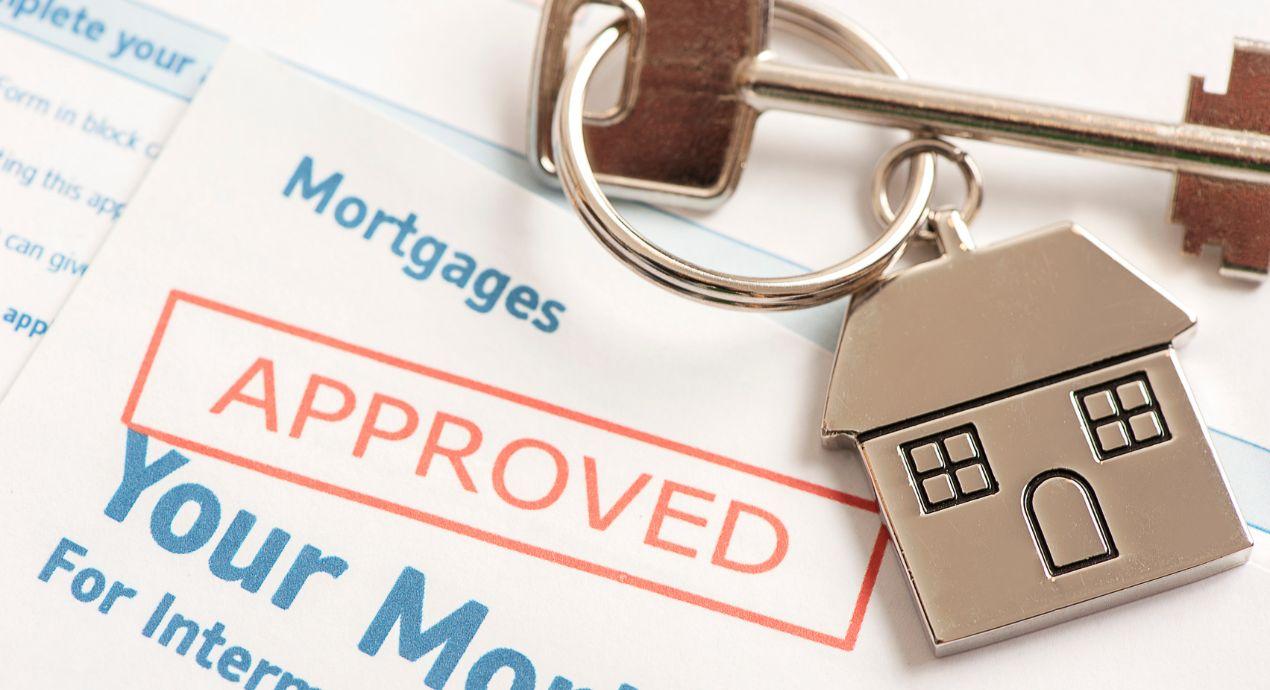
Securing mortgage approval is a critical milestone in the homebuying process, frequently enough representing one of the most meaningful financial commitments individuals make in their lifetime. the pathway to obtaining a mortgage can be intricate, involving a multitude of factors that lenders scrutinize to assess creditworthiness.This article outlines the essential steps for successfully navigating the mortgage approval process,designed to equip prospective homeowners with knowledge and strategies to enhance their chances of approval. By understanding the technical requirements and critical components—ranging from credit score optimization to documentation readiness—borrowers can approach lenders with confidence, ultimately facilitating a smoother transaction and paving the way towards homeownership.
Table of Contents
- Understanding Credit Scores and Their Impact on Mortgage Approval
- Preparing Comprehensive Financial Documentation
- Choosing the Right Mortgage Type for Your Needs
- Engaging with Lenders: Strategies for Effective Communication and Negotiation
- To Wrap It Up
Understanding Credit Scores and Their Impact on Mortgage Approval
Credit scores are a critical factor in the mortgage approval process, serving as a numerical representation of your creditworthiness. Lenders typically consider scores ranging from 300 to 850, with higher scores indicating lower risk. Understanding the components that make up your credit score is vital for prospective homebuyers; these include:
- Payment History (35%): Timely payments boost your score significantly.
- Credit Utilization (30%): Keeping your credit card balances low relative to their limits can enhance your score.
- Length of Credit History (15%): A longer, positive credit history can positively influence your score.
- Types of Credit (10%): A mix of revolving and installment credit can be beneficial.
- Recent Inquiries (10%): Multiple inquiries in a short time can negatively affect your score.
When applying for a mortgage, your credit score can determine not only your eligibility but also the terms of your loan, including interest rates and down payment requirements. Generally, scores above 740 are considered excellent, enabling borrowers to secure the most favorable rates and conditions. Below is a simplified guide illustrating how different credit score ranges can impact mortgage approval:
| Credit Score Range | Approval Status | Typical Interest Rate |
|---|---|---|
| 300 – 579 | likely Denied | High Risk |
| 580 – 669 | Possible Approval | Moderate Rates |
| 670 – 739 | Approved | Good Rates |
| 740 – 850 | Approved | Best Rates |
Preparing Comprehensive Financial Documentation
When applying for a mortgage, assembling a comprehensive and organized set of financial documents is crucial. Lenders require a clear picture of your financial health to assess your ability to repay the loan. Start by gathering your personal financial details, which include but are not limited to:
- Recent pay stubs (last two or three months)
- Tax returns (typically the last two years)
- Bank statements (last two or three months)
- W-2 forms (last two years)
- Investment account statements and assets documentation
Additionally, it is essential to include documentation related to your debts and liabilities. This will help lenders understand your overall financial responsibilities. ensure that you have the following ready:
- Credit report (you can obtain this for free annually)
- Loan statements for existing loans or mortgages
- Alimony or child support payments, if applicable
- Documentation of any additional income sources
| Document type | Frequency |
|---|---|
| Pay Stubs | Monthly |
| Tax Returns | Annually |
| Bank statements | Monthly |
| W-2 Forms | Annually |
Choosing the Right Mortgage Type for Your Needs
When it comes to selecting a mortgage type, understanding the various options available is essential for aligning your financial goals with your lifestyle. Fixed-rate mortgages are popular for those seeking stability, offering a consistent monthly payment over the life of the loan. Alternatively, adjustable-rate mortgages (ARMs) can initially provide lower rates, which may be appealing for short-term homeowners, but involve the risk of increased payments over time. Other options such as interest-only loans and VA or FHA loans cater to specific needs, so evaluating your financial profile is crucial for making an informed decision.
To assist in your mortgage selection process, consider these key factors:
- Loan term: How long do you plan to own the property?
- Monthly budget: What is your comfort level with monthly payments?
- Interest rates: Are you prepared to take on potential fluctuations?
- Financial stability: What is your current income and debt situation?
Creating a visual comparison can also be helpful. Below is a simple overview of common mortgage types.
| Mortgage Type | Pros | Cons |
|---|---|---|
| Fixed-rate | Predictable payments, long-term stability | Higher initial rates |
| Adjustable-rate | Lower initial rates, potential for savings | Payments may increase |
| Interest-only | Lower initial payments | Risk of payment shock later |
| VA/FHA loans | Low down payments, flexible credit requirements | Mortgage insurance costs |
Engaging with Lenders: Strategies for Effective Communication and Negotiation
Establishing a rapport with lenders is crucial when pursuing mortgage approval. Start by doing your homework on various lenders, understanding their specific requirements and products.Approach each meeting equipped with a clear understanding of your financial situation and a well-prepared set of questions.This not only shows your serious intent but also allows you to engage in meaningful discussions. When you articulate your financial history and future goals, you instill confidence in the lender, paving the way for a constructive dialog. Additionally,consider employing active listening techniques during these interactions—they help in grasping the lender’s expectations and concerns effectively.
Negotiation plays a pivotal role in securing favorable mortgage terms. When discussing loan options, be prepared to outline your strengths as a borrower, such as a high credit score or stable income.Don’t hesitate to express your needs clearly; whether it’s lower interest rates or reduced closing costs, transparency fosters collaboration. If faced with less favorable terms, politely inquire about potential adjustments or alternatives that could better fit your circumstances. In situations where negotiation seems challenging, backing your requests with comparable market data can provide leverage. Below is a simple table summarizing key negotiation points you might consider:
| Negotiation Point | Suggested approach | Potential outcome |
|---|---|---|
| Interest Rate | Research current market rates and present data | Lower rate offered |
| Closing Costs | Ask for a breakdown and explore waivers | Reduced or eliminated costs |
| Loan Terms | Discuss alternatives based on your needs | Customize loan agreement |
To Wrap It Up
securing mortgage approval is a multifaceted process that requires careful preparation and a strategic approach. By diligently assessing your financial health, improving your credit profile, gathering the necessary documentation, and understanding the intricacies of various loan products, you position yourself for a more favorable outcome. Engaging with reputable lenders and seeking professional advice can further enhance your chances of success. Remember, each step you take not only fortifies your request but also contributes to a more informed and confident decision-making process.As the housing market continues to evolve, staying abreast of industry trends and requirements will be crucial in navigating the complexities of mortgage approval. By adhering to these essential steps,you can streamline your journey towards homeownership with greater assurance and clarity.