

Introduction
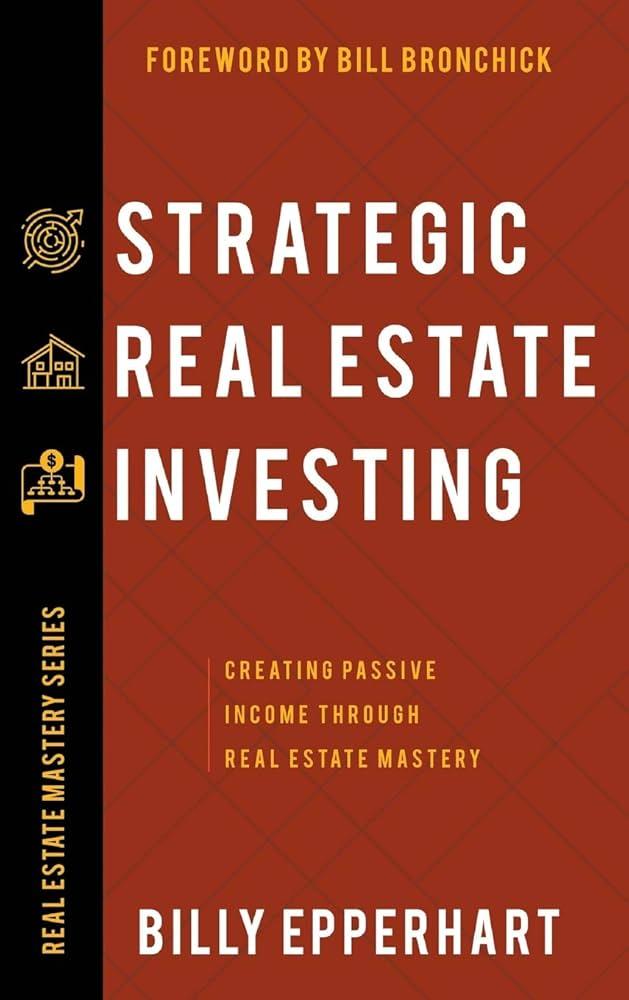
In an increasingly uncertain economic landscape, securing a financially stable retirement is paramount for individuals seeking to safeguard their hard-earned wealth. Among the myriad of investment options available, strategic real estate investment has emerged as a compelling avenue for those aiming to build a robust retirement portfolio. This article delves into the principles of strategic real estate investing, exploring how informed decision-making, market analysis, and risk management can transform property investments into a consistent source of passive income.By understanding the intricacies of this asset class, investors can not only enhance their wealth but also create a lasting legacy for future generations. Join us as we outline the essential strategies and best practices that can unlock the full potential of real estate as a cornerstone of your retirement planning.
Table of Contents
- Understanding the Fundamentals of Strategic Real Estate Investment
- Evaluating market Trends and Investment Opportunities
- Constructing a Diversified Real Estate Portfolio for Long-Term Growth
- Maximizing Returns through Effective Property Management Strategies
- Final thoughts
Understanding the Fundamentals of Strategic Real Estate Investment
To achieve success in real estate investment, it’s imperative to comprehend the basic principles that drive the market. This foundational knowledge enables investors to identify lucrative opportunities and mitigate risks. Key aspects to consider include:
- Market Analysis: Understanding local property trends, pricing, and demand.
- Investment Types: Distinguishing between residential, commercial, and industrial properties.
- Financial Metrics: Familiarizing yourself with ROI, cap rate, and cash flow analysis.
- legal Framework: Navigating zoning laws, property taxes, and leasing agreements.
Strategic real estate investment is not merely about property acquisition; it involves a disciplined approach to portfolio management. Selecting the right properties requires an understanding of long-term growth potential versus short-term gains. Investors should focus on:
- Location: The significance of strategic positioning in regard to future advancement.
- Property Condition: Evaluating property requirements for renovation and maintainance.
- Exit Strategies: Developing a plan for when and how to sell the investment at a profit.
| Investment Type | Risk Level | Expected Return |
|---|---|---|
| Residential | Moderate | 5-10% |
| Commercial | High | 8-15% |
| Industrial | Moderate | 6-12% |
evaluating Market Trends and Investment Opportunities
Understanding current market trends is essential for making informed investment decisions in real estate. investors should keep an eye on various indicators that signal shifts in the market landscape,such as:
- Employment Rates: High employment rates often correlate with increased demand for housing.
- Interest Rates: Fluctuations in interest rates can considerably affect property affordability and investor sentiment.
- Population Growth: Areas with growing populations typically see a higher demand for housing and can provide lucrative investment opportunities.
- Urban development: Upcoming infrastructure projects can hint at long-term value appreciation in certain neighborhoods.
by analyzing these factors, investors can identify promising regions and property types that align with their retirement goals. Moreover, it is crucial to diversify investment portfolios to mitigate risks. A balanced strategy may include:
- Residential Properties: Inexpensive single-family homes can be a steady source of rental income.
- commercial Real Estate: Shopping centers and office buildings can yield higher returns, albeit with more volatility.
- Real Estate Investment Trusts (REITs): For those looking for hands-off investment options, REITs offer exposure to large-scale property markets.
Constructing a Diversified Real Estate Portfolio for Long-Term Growth
To build a resilient real estate portfolio that supports sustained growth, consider diversifying across various property types and geographical areas. Diversification not only mitigates risk but also capitalizes on diffrent market cycles, enhancing potential returns. Focus on acquiring:
- Residential Properties: Single-family homes, multi-family units, and vacation rentals.
- Commercial Real Estate: Office buildings, retail spaces, and industrial properties.
- Real Estate Investment Trusts (reits): A less hands-on approach that allows easy access to larger capital markets.
- Option Investments: Consider assets such as land, warehouses, or storage units that serve specific market needs.
Implementing a robust strategy requires ongoing assessment and adjustment based on market trends and individual financial goals. Leverage technology and data analytics to gain insights into current and projected performance. Maintain a balanced allocation by evaluating your investment in:
| Investment Type | Percentage Allocation | Expected Growth Rate |
|---|---|---|
| Residential | 40% | 3-6% |
| commercial | 30% | 5-10% |
| REITs | 20% | 8-12% |
| Alternative | 10% | Varies |
This strategic allocation can definitely help safeguard your assets against market volatility, while also reaping the benefits of sector-specific growth. By remaining adaptable and informed, you can enhance your portfolio’s performance and secure a prosperous retirement future.
Maximizing Returns through Effective Property Management Strategies
To truly unlock the potential of your real estate investment, implementing effective property management strategies is essential. This not only enhances the tenant experience but also contributes significantly to the bottom line. A few vital aspects to consider include:
- regular Maintenance: Ensuring that properties are well-maintained reduces turnover rates and increases tenant satisfaction.
- Effective Tenant Screening: take the time to thoroughly vet prospective tenants. This minimizes the risk of late payments or property damage.
- Dynamic Pricing Strategies: Analyze local market trends to adjust rental prices accordingly, maximizing occupancy and returns.
- Open Dialog: Maintain transparent communication with tenants to foster trust and encourage renewals.
Additionally, employing technology can streamline management processes, making them more efficient. Property management software can be utilized for everything from rent collection to maintenance requests, allowing for better resource allocation and more time for strategic planning.Consider the following benefits of integrating technology into your management approach:
| Benefit | Description |
|---|---|
| Improved Efficiency | Automate routine tasks like billing and reporting. |
| Enhanced Communication | Provide tenants with online access for requests and questions. |
| Data Analysis | Use analytics to inform pricing and marketing strategies. |
Final Thoughts
strategic real estate investment stands out as a robust mechanism for securing your retirement wealth. By diligently assessing market opportunities, diversifying your property portfolio, and employing sound financial management practices, you can not only enhance your income stream but also safeguard your financial future against potential economic downturns. As you consider your investment options, it is crucial to remain informed and proactive, leveraging professional insights and staying attuned to market trends. The journey to a secure retirement through real estate may be complex,but with careful planning and execution,it can prove to be a rewarding endeavor that contributes significantly to your long-term financial security. Embrace the potential of real estate as a cornerstone of your retirement strategy and take the necessary steps today to cultivate the wealth you wish to enjoy tomorrow.