

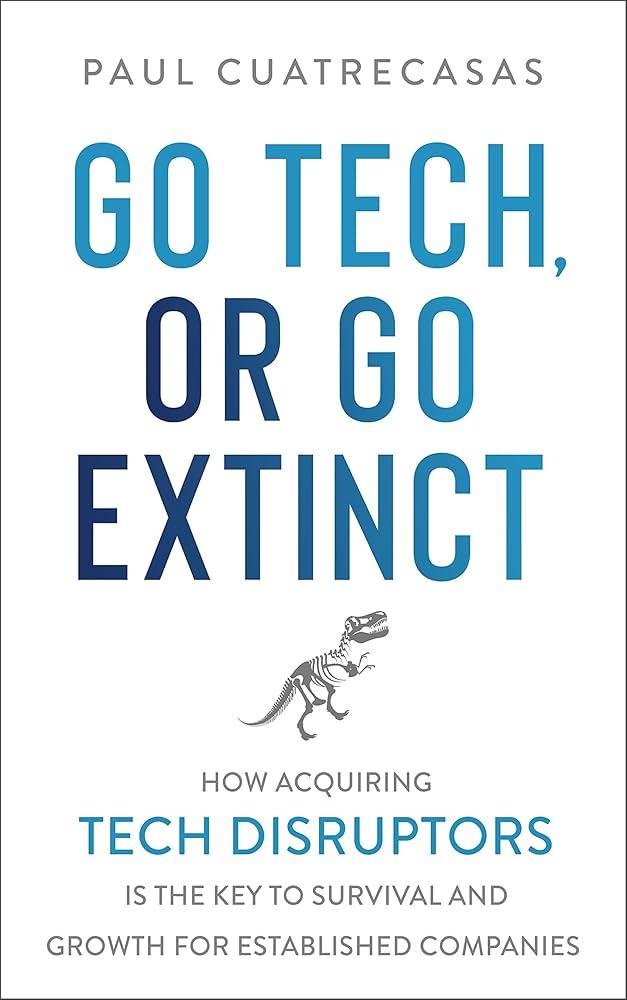
In today’s rapidly evolving economic landscape, the intersection of technology and real estate has emerged as a pivotal arena of analysis.As tech disruptors continue to redefine traditional paradigms, their influence on real estate dynamics warrants a comprehensive examination.From innovative property management solutions powered by artificial intelligence to blockchain applications transforming transaction transparency, the disruptions initiated by technological advancements are not merely trends; thay are important forces reshaping the foundations of the real estate market. This article aims to dissect the multifaceted impact of these disruptors,exploring how they alter market behaviors,consumer expectations,and investment strategies. By delving into case studies and emerging trends, we will illuminate the challenges and opportunities that accompany this technological renaissance, providing stakeholders with critical insights to navigate an increasingly complex surroundings.
Table of Contents
- Emergence of Tech Disruptors and Their Influence on Market trends
- Assessment of Consumer Behavior Shifts in Response to Technological Innovations
- Evaluating the Role of Data Analytics in Real estate Decision-making
- Strategic Recommendations for Stakeholders to Adapt to Technological Changes
- To Conclude
Emergence of Tech Disruptors and Their Influence on Market Trends
The rise of technological disruptors has fundamentally reshaped various industries, with real estate being no exception. These innovative companies leverage cutting-edge technology to streamline processes, enhance customer experience, and deliver services that were previously unimaginable. Platforms like Zillow and Compass have transformed traditional real estate practices, providing data-driven insights that empower clients with real-time information on property values, market trends, and neighborhood dynamics. In addition, the proliferation of proptech startups focusing on AI, blockchain, and virtual reality has introduced more efficiency in transactions, improved property management, and increased transparency in dealings. These developments are compelling traditional real estate firms to rethink their operational strategies to remain competitive in an ever-evolving landscape.
Moreover,the influence of these disruptors extends beyond just improved services; they are also redefining consumer expectations. Today’s buyers and renters demand personalized experiences and instantaneous access to information. As a response,real estate agents and brokers are adopting customer relationship management (CRM) systems and utilizing AI-driven chatbots to enhance buyer engagement. The burgeoning trend toward remote work has driven demand for properties in suburban and rural areas, as technology enables flexible living arrangements. The table below illustrates some of the critical areas where tech disruptors are influencing market dynamics:
| Disruptor Type | Impact on Real Estate |
|---|---|
| Proptech | Streamlining property management through automation. |
| A.I. and Big Data | Enhancing market analyses and predictive insights. |
| Virtual Tours | Offering immersive experiences without in-person visits. |
| blockchain | Improving transparency and security in transactions. |
Assessment of Consumer behavior shifts in Response to Technological Innovations
The rapid evolution of technology has fundamentally altered consumer expectations and behaviors within the real estate sector. homebuyers and renters are increasingly leaning towards digital platforms and virtual experiences that allow for seamless property exploration and transactions. This shift is driven by a desire for convenience, as well as the ability to quickly access data and comparative analyses. consumers are now prioritizing features such as 3D virtual tours, mobile-kind applications, and artificial intelligence-driven recommendations, reshaping the traditional process of buying or renting properties. The integration of technology not only enhances the user experience but also expands market reach and reduces the time spent on transactions.
Furthermore,the influence of emerging technologies extends beyond just transaction efficiency; it also plays a pivotal role in defining consumer preferences. Factors such as enduring living and smart home functionalities have gained prominence, influencing buying decisions.An analysis of recent consumer behavior studies reveals the following key trends in buyer expectations:
| Trend | Impact on Consumer Behavior |
|---|---|
| Sustainability | increased demand for eco-friendly homes and energy-efficient appliances. |
| Smart Technology | Preference for homes equipped with smart security systems and automated controls. |
| Remote Work | Higher value placed on home office spaces and suburban locations. |
This evolving landscape mandates that real estate professionals not only adapt to these changes but also proactively anticipate future trends that may arise from ongoing technological advancements.
Evaluating the Role of Data Analytics in Real Estate Decision-Making
In the ever-evolving landscape of real estate, data analytics has emerged as a pivotal tool, transforming the way stakeholders make decisions. By leveraging vast amounts of data, industry professionals can gain unprecedented insights into market trends, consumer behavior, and property values. this analytical approach allows for the identification of emerging opportunities and potential risks, fostering a proactive rather than reactive stance in decision-making processes. Some of the key benefits of utilizing data analytics in real estate include:
- Enhanced Market Forecasting: Predictive analytics assist in anticipating market fluctuations.
- Optimized Investment Strategies: Data enables targeted investment in high-potential areas.
- Improved Tenant Experiences: Analyzing tenant preferences drives better property management decisions.
Furthermore, the integration of advanced analytics tools allows real estate professionals to segment their analysis by demographic and geographic factors, paving the way for nuanced strategies tailored to specific audiences. For instance, by mapping data on local economic indicators against consumer preferences, firms can make data-driven decisions regarding property development and marketing approaches. Below is a simple overview showcasing how different data sources can inform strategic decisions in real estate:
| data Source | Submission | Impact on Decision-Making |
|---|---|---|
| Market Trends Reports | Identifying growth areas | Informs site selection |
| Social Media Analytics | Understanding consumer sentiment | Guides marketing strategies |
| Geospatial Data | Assessing property locations | Enhances site analysis |
strategic Recommendations for Stakeholders to Adapt to Technological Changes
In the face of rapid technological advancements, stakeholders in the real estate sector must proactively embrace change to remain competitive. This requires a multi-faceted approach to adapt business models that align with evolving market dynamics. Investing in smart technologies like Internet of Things (IoT) devices can enhance property management efficiency and tenant satisfaction. Furthermore, leveraging big data analytics enables stakeholders to make informed decisions based on market trends, customer preferences, and investment opportunities. Promoting collaborative platforms where information is shared among agents, developers, and investors can create a more synergy-driven environment, fostering innovation and agility.
To effectively navigate the shifting landscape,stakeholders should consider developing educational initiatives that focus on digital literacy and technological adoption across their teams. Engaging with tech startups offers opportunities to integrate cutting-edge solutions while maintaining agility in service delivery. Additionally, prioritizing sustainable technology not only aligns with environmental goals but also meets the growing consumer demand for eco-friendly living spaces. The following table outlines key strategic actions for stakeholders:
| Strategic action | Description |
|---|---|
| Adopt Smart Technologies | Implement IoT and automation tools to streamline operations. |
| Utilize Big Data | Analyze market trends for targeted decision-making. |
| Promote Collaboration | Create networks for sharing insights and resources among stakeholders. |
| enhance Digital Literacy | Provide training programs to improve technological competency. |
| Foster Sustainability | Integrate green technologies to appeal to eco-conscious buyers. |
To Conclude
the influence of tech disruptors on the real estate sector is profound and multifaceted.From enhancing operational efficiencies through advanced data analytics to redefining consumer engagement with virtual reality and artificial intelligence, these technological advancements are reshaping the landscape of real estate dynamics. As we have examined,this evolution presents both opportunities and challenges for stakeholders across the industry—from investors and developers to consumers and regulators.
As technology continues to evolve, it is indeed imperative for real estate professionals to remain vigilant and adaptable, embracing innovation while also mitigating risks associated with rapid change. The ongoing integration of technology will not only dictate market trends but also redefine the very nature of property ownership and investment.
Ultimately, the future of real estate will depend on a collaborative approach that harnesses the benefits of tech disruptors while fostering sustainable practices and equitable access to opportunities. By understanding and strategically responding to these shifts, industry participants can position themselves to thrive in an increasingly digital landscape, ensuring that they remain competitive in a world where adaptability is paramount.