

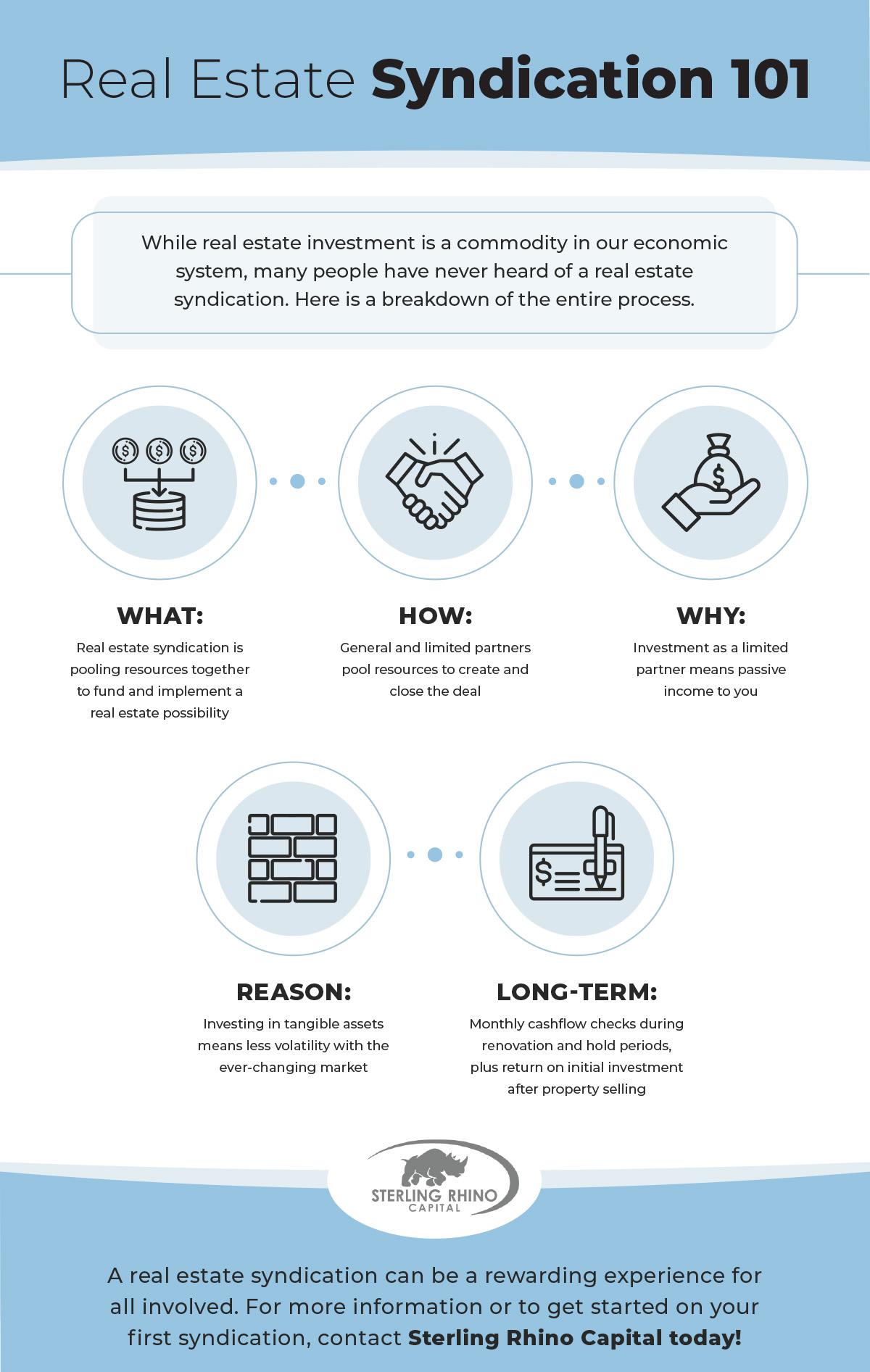
In the world of real estate investing,opportunities abound,but so do the complexities. Among the myriad of investment strategies available, real estate syndication has emerged as a popular choice for both seasoned investors and newcomers looking to diversify their portfolios. But what exactly is real estate syndication? At its core, it’s a collaborative investment model where multiple investors pool their resources to acquire, manage, or develop real estate assets.While this approach can open the doors to lucrative opportunities, it also comes with its own set of challenges and risks.In this article, we will delve into the advantages and disadvantages of real estate syndications, providing you with a extensive understanding of this investment strategy.armed with this knowledge, you can make informed decisions and navigate the evolving landscape of real estate with greater confidence. Whether you’re considering entering a syndicate or simply wish to expand your investment horizons,join us as we explore the intricacies of this dynamic investment avenue.
Table of Contents
- Understanding Real Estate Syndications and Their Structure
- Assessing the Financial Benefits of Investing in Syndications
- Identifying Potential Risks and Challenges in Real Estate Syndication
- Making Informed Decisions: Tips for Prospective Syndicate Investors
- Key Takeaways
understanding Real Estate Syndications and Their Structure
real estate syndications function as a method for multiple investors to pool their resources together, allowing them to invest in larger, frequently enough more lucrative properties that woudl be unattainable individually. At the core of this structure is a sponsor or manager who identifies investment opportunities,oversees property management,and navigates the complexities of real estate transactions. In exchange for their expertise and operational responsibilities, sponsors typically earn a fee or a percentage of the profits. This structure allows passive investors to benefit from real estate without the need to manage the day-to-day operations, making it an attractive option for those looking to diversify their portfolios.
The economic structure of a real estate syndication generally includes various components such as equity and debt financing, which are crucial for realizing investment goals. Investors often receive returns in the form of quarterly cash distributions and an eventual share of profits upon sale. It’s essential to understand the potential risks and rewards involved. A well-structured syndication might present benefits such as diversification, access to high-value projects, and professional management. Though, investors should also consider possible downsides including illiquidity, costs associated with syndication fees, and market volatility. Below is a table summarizing the key advantages and disadvantages:
| Advantages | Disadvantages |
|---|---|
| access to larger investments | Illiquidity of funds |
| Professional management | Fees and costs eat into profits |
| Potential for passive income | Market risk and volatility |
Assessing the Financial Benefits of Investing in Syndications
Real estate syndications offer a unique opportunity for investors to access larger, more lucrative projects with a lower individual financial commitment. By pooling resources, participants can collectively invest in properties that may have previously been out of reach, diversifying their portfolios and spreading risk. Key financial benefits of investing in syndications often include:
- Passive income Generation: Investors can receive regular distributions from rental income without the hassles of property management.
- Access to Professional Management: Syndication deals are typically run by experienced professionals who handle the operational aspects, ensuring that investment decisions are based on market analysis and strategic planning.
- tax Advantages: Many real estate investments come with tax benefits like depreciation, which can help offset taxable income.
Moreover, syndications frequently enough provide capital appreciation potential as property values increase over time. This can lead to important returns upon sale or refinancing, benefiting all investors involved. understanding projected returns is crucial to making informed decisions; thus, a straightforward comparison of returns from direct investments versus syndications can be illustrative:
| Investment Type | Average Annual Return | Investment Risk |
|---|---|---|
| Direct Real Estate Investment | 6-8% | Higher |
| Real Estate Syndication | 8-12% | Moderate |
Identifying Potential Risks and Challenges in Real Estate Syndication
Investing in real estate syndication can be a lucrative venture, but it is not without its potential risks and challenges. One of the most significant concerns is market volatility, which can affect property values and rental income.A downturn in the market may lead to decreased demand for rental properties,ultimately impacting the cash flow of the syndication. Additionally, the success of a syndication frequently enough depends on the expertise of the syndicator, making it essential to evaluate their background and track record carefully. If the syndicator lacks experience or fails to execute a solid investment strategy,investors may face substantial losses.
Another key area to consider is financial risk, including the possibility of high leverage. A poorly structured financing plan may leave the syndication vulnerable to fluctuations in interest rates or unexpected expenses. Investors should also be aware of potential legal and regulatory challenges, such as local zoning laws or changes to tax regulations that could affect profitability. Understanding these challenges requires thorough due diligence, as well as ongoing communication with the syndicator. It’s vital for investors to weigh these risks against the potential rewards while maintaining realistic expectations.
Making Informed Decisions: Tips for Prospective Syndicate Investors
When delving into real estate syndications, it’s crucial to equip yourself with the right knowledge to make sound investments. Start by analyzing the syndicator – their track record, experience, and reputation can provide insights into potential success. Additionally, make sure to review the investment structure, including fees, distributions, and exit strategies. Engaging with the syndicator directly can definitely help clarify any uncertainties and solidify trust, as transparent communication is a key aspect of any fruitful partnership.
Another cornerstone of informed decision-making is assessing the market and property potential. Do thorough research on the location, tenant demand, and overall economic conditions of the area in which the investment is situated. Consider the following key factors:
- Market Trends: Look for indicators of growth or decline.
- Comparable Investments: Review similar properties for performance benchmarks.
- Risk Assessment: Evaluate the upsides against possible pitfalls.
| Factor | Importance |
|---|---|
| Location | High |
| Market Demand | Medium |
| Financial Health | High |
Key Takeaways
real estate syndications offer a unique avenue for investors looking to venture into the property market without the need for substantial capital or direct management obligations. By pooling resources with other investors,individuals can gain access to potentially lucrative opportunities that may have been out of reach otherwise. However, as with any investment strategy, it’s crucial to weigh the advantages against the disadvantages. Understanding the complexities of syndication agreements, the risks involved, and the importance of thorough due diligence can definitely help investors make informed decisions.
Ultimately,whether real estate syndications are the right fit for you will depend on your financial goals,risk tolerance,and level of investment experience. As you navigate this exciting investment landscape, be sure to stay informed and seek guidance when needed. Harnessing the power of collective investment can be a rewarding journey, leading not only to financial growth but also to invaluable connections in the real estate community. If done right, real estate syndications can indeed be a win-win for all parties involved. Happy investing!