

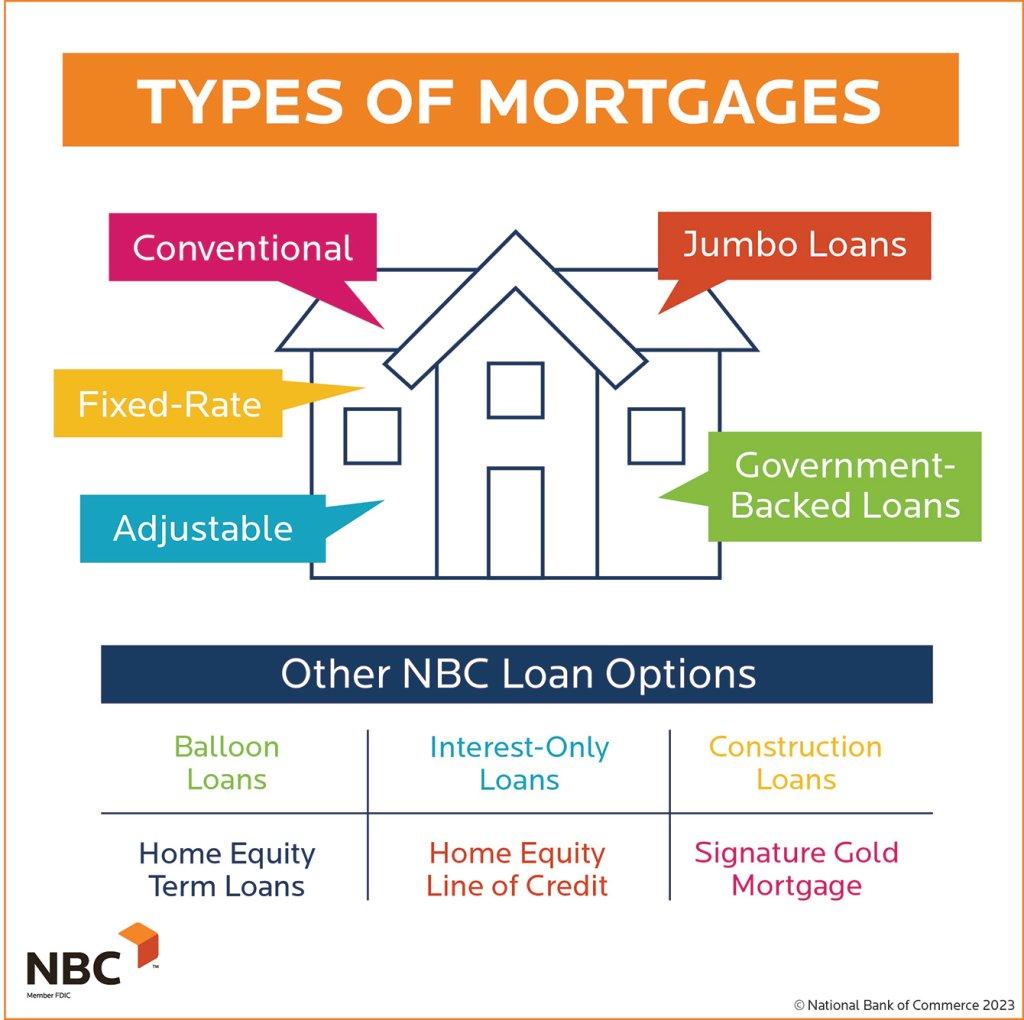
In an increasingly interconnected global economy,international real estate purchases have become a strategic avenue for both investment and personal residence. As many individuals and families consider expanding their horizons beyond domestic markets, understanding the financing options available for these transactions is crucial. Mortgages specifically designed for international home purchases can provide a pathway to acquiring property in foreign lands,but they come with unique considerations and complexities. This article aims to outline the essential aspects of utilizing mortgages for international home purchases, examining key factors such as eligibility, lending practices, currency risks, and legal implications. By elucidating these components, prospective buyers can make informed decisions and navigate the challenges associated with financing international real estate endeavors.
Table of Contents
- Understanding International Mortgage Options
- navigating Legal and Regulatory Considerations
- Evaluating Currency Risks and Financial implications
- Tips for a Successful International Property Investment
- In Conclusion
Understanding International Mortgage Options
When considering a mortgage for an international property, it’s vital to understand the different options that may be available to you. International mortgages can vary significantly from conventional home loans, frequently enough depending on the country where the property is located. Key factors include local regulations, currency risk, and tax implications.You might encounter options such as:
- Local Mortgages: Offered by banks within the country, typically in the local currency.
- International Lenders: Banks or financial institutions that operate across borders and can provide financing in various currencies.
- Home Equity Loans: If you own property in your home country, you might leverage that for a down payment or to secure a loan for international purchases.
Before selecting a mortgage option,it’s crucial to conduct thorough research and possibly consult financial advisors familiar with the international real estate market. Consider creating a comparison table to evaluate potential lenders, interest rates, and terms. Below is a simplified overview of common mortgage comparisons:
| Lender Type | Interest Rates | Currency | Terms |
|---|---|---|---|
| Local Bank | 3.5% – 5.0% | Local Currency | 15-30 years |
| International Bank | 3.0% – 4.5% | USD/EUR | 10-25 years |
| Home Equity Loan | 4.0% – 6.0% | Local Currency | Up to 15 years |
Navigating Legal and Regulatory Considerations
Purchasing property abroad can be an exciting venture, but it necessitates a thorough understanding of the pertinent legal and regulatory frameworks in the foreign country. Prior to securing a mortgage, potential buyers should familiarize themselves with property ownership laws, which differ significantly from one nation to another. It’s critical to verify whether non-residents are permitted to purchase property, and whether there are any restrictions or additional taxes imposed on foreign buyers. Engaging a educated local attorney who specializes in real estate can provide invaluable insights into navigating these complexities.
Moreover, ethical considerations and compliance with anti-money laundering (AML) regulations must be prioritized throughout the purchasing process. Mortgage lenders often require documentation to demonstrate the source of funds, which may involve providing personal financial statements and proof of income. An organized approach to compiling this facts will streamline the mortgage approval process. Below is a brief overview of essential documents typically required:
| Document Type | Description |
|---|---|
| Identification | Passport or national ID |
| Proof of Income | Pay stubs, tax returns, or bank statements |
| Source of Funds | Documentation highlighting asset origins |
| Credit History | Reports from home country lenders |
Evaluating Currency Risks and Financial Implications
When considering an international mortgage, understanding currency risks is paramount. Fluctuations in exchange rates can significantly impact monthly payments and the overall cost of the property. As an example, if the currency of the home purchase depreciates relative to your income currency, you could face unexpectedly higher repayment costs.This could result in increased financial strain, making it essential to monitor and anticipate currency trends. Investors should evaluate ancient exchange rate data and consider using tools such as hedging strategies to mitigate potential losses.
Beyond the exchange rates, interest rates also play a crucial role in financial planning. Different countries may offer diverse financing rates,reflective of their economic conditions.Consider the following aspects when diving into the financial implications of an international mortgage:
- Local Economic Stability: Analyzing the economic framework can provide insights into possible future interest rate hikes.
- Loan Structure: Fixed vs.variable rates might influence overall payments depending on market shifts.
- Taxation and Fees: Understanding local taxes and associated fees will help you gauge the total cost of ownership.
| Country | Average Interest Rate | Currency Risk (High/Medium/low) |
|---|---|---|
| Spain | 3.5% | Medium |
| Australia | 4.2% | High |
| canada | 3.1% | Low |
Tips for a Successful International property investment
Investing in international properties can be a lucrative prospect, but it requires careful planning and consideration. To ensure a successful investment journey, buyers should conduct thorough research on the local market conditions, property regulations, and financing options available in the country of interest. Understanding the economic climate, taxation implications, and potential rental income are essential factors that can significantly impact your investment’s profitability. Additionally, connecting with local real estate agents and financial advisors can provide invaluable insights tailored to your investment goals.
When leveraging mortgages for international property purchases, it is crucial to assess your financing options and potential pitfalls. consider the following key points:
- Local Mortgage Availability: Research if foreign buyers can secure a mortgage in the specific country.
- Currency Exchange Risks: Be aware of fluctuating currency rates that may affect your loan repayments.
- Down Payment Requirements: Understand the typical down payment percentage and whether it varies as a foreign buyer.
- Interest Rates: Investigate competitive mortgage rates and terms offered by local banks.
To simplify the mortgage process, consider this comparison of common international mortgage types:
| Mortgage Type | Key Features | Best For |
|---|---|---|
| Fixed-Rate Mortgage | Stable interest rate; predictable payments. | Long-term investors seeking stability. |
| variable-Rate Mortgage | Interest rate fluctuates based on market conditions. | Investors looking for lower initial rates. |
| Interest-Only Mortgage | Lower initial payments focusing on interest only. | Buyers anticipating property gratitude. |
In Conclusion
leveraging mortgages for international home purchases presents a viable pathway for investors and homeowners alike,offering numerous opportunities in the global real estate market. As demonstrated in this guide, understanding the intricacies of financing options, local regulations, and market dynamics is essential for making informed decisions.
Whether you’re seeking a vacation retreat, a rental property, or a permanent residence abroad, thorough research and strategic planning will significantly enhance your purchasing experience. Collaborating with experienced professionals, from real estate agents to financial advisors familiar with international transactions, can further streamline the process.
Ultimately, with the right approach and knowledge, utilizing a mortgage for international real estate can be a rewarding commitment that not only diversifies your investment portfolio but also enriches your lifestyle. As global markets continue to evolve, staying informed will empower you to navigate this complex landscape effectively.