

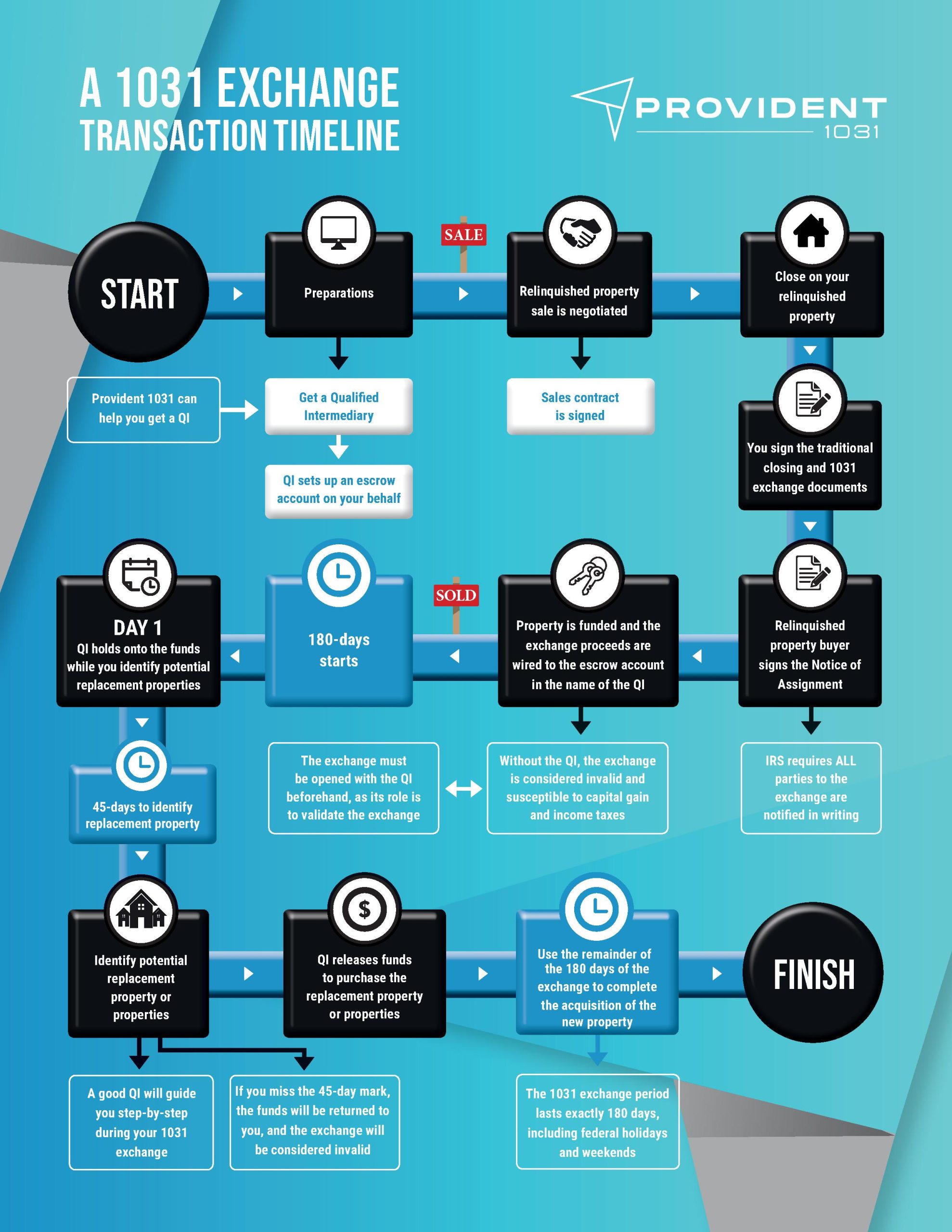
In the ever-evolving landscape of real estate investment, savvy investors are constantly on the lookout for strategies that maximize their returns while minimizing their tax liabilities. One such powerful tool in their arsenal is the 1031 exchange—an IRS-sanctioned method that allows property owners to defer capital gains taxes when selling one investment property and buying another. While the concept may seem straightforward, navigating the intricacies of 1031 exchanges can be daunting. In this extensive guide, we will demystify the process, highlight its benefits, and provide practical steps for successfully executing a 1031 exchange. Whether you’re a seasoned investor or just starting out, mastering this tax-deferral strategy can significantly impact your investment journey and help you build wealth more effectively. Join us as we explore the ins and outs of 1031 exchanges, empowering you to make informed decisions for your financial future.
table of Contents
- Understanding the Basics of 1031 Exchanges and Their Benefits
- Key Strategies for Identifying Suitable Replacement Properties
- Navigating the Timeline and Requirements for a Successful Exchange
- Common Pitfalls to Avoid in the 1031 Exchange Process
- Concluding Remarks
understanding the Basics of 1031 Exchanges and Their benefits
At its core, a 1031 exchange offers real estate investors a unique possibility to defer capital gains taxes when selling a property. This tax strategy, named after Section 1031 of the Internal Revenue Code, allows investors to reinvest the proceeds from a property sale into a “like-kind” property, thus postponing tax liability.the benefits of utilizing a 1031 exchange are manifold and can significantly enhance a portfolio’s earning potential while preserving capital for future investments. Key features include:
- Tax Deferral: Defer capital gains taxes, allowing full use of sale proceeds for reinvestment.
- Portfolio Diversification: exchange one property for multiple, enhancing asset diversity.
- Leverage Opportunities: Utilize more capital to acquire higher-value properties.
Moreover, to successfully execute a 1031 exchange, certain rules and timelines must be followed, ensuring a smooth transition from one investment to another. Investors are required to identify the replacement property within 45 days and complete the acquisition within 180 days of the original sale. Understanding these deadlines is crucial to maximize the exchange’s benefits. Here’s a simplified overview of the essential steps involved:
| Step | Description |
|---|---|
| Property Sale | Sell your investment property. |
| Identify Replacement | Identify the new property within 45 days. |
| Complete Purchase | Close on the new property within 180 days. |
Key Strategies for Identifying Suitable Replacement Properties
Identifying the right replacement properties during a 1031 exchange is crucial for maximizing the benefits of tax deferral. Start by evaluating your investment goals and risk tolerance. Consider factors such as location, property type, potential for appreciation, and cash flow. A thorough analysis of market trends and property performance can guide you to options that align with your investment strategy. Additionally, it’s wise to consult with a real estate professional who specializes in 1031 exchanges to gain insights into available properties and market conditions.
Moreover, consider the following strategies to streamline the process:
- Develop a Clear Criteria List: Outline the must-haves and deal-breakers for potential properties.
- Utilize Real Estate Platforms: Leverage online tools and marketplaces to find suitable options quickly.
- Network with other Investors: Join investment groups or forums to gain insights and leads on replacement properties.
| Property Type | Investment Goal | risk Level |
|---|---|---|
| Single-Family Homes | Long-term Appreciation | Low |
| Commercial Real Estate | Cash Flow generation | medium |
| Raw Land | speculative Growth | High |
Navigating the Timeline and Requirements for a Successful Exchange
Understanding the timeline associated with a 1031 Exchange is crucial for maximizing your investment potential while deferring taxes. Typically, you have 45 days from the sale of your original property to identify potential replacement properties. this is known as the identification period, during which you can list up to three properties regardless of their value, or more if they meet specific criteria under the 200% rule. After identifying your desired properties, the clock starts ticking again as you must complete the exchange within 180 days of the sale. Missing any of these deadlines can result in significant tax liabilities, so diligent planning and monitoring are essential to ensure compliance with the rules.
Along with timing, certain requirements must be meticulously adhered to for a successful exchange. The properties involved must be held for investment or business purposes and must be “like-kind,” meaning they should be similar in nature. Additionally, it’s significant to engage a qualified intermediary who will handle the funds during the exchange process, ensuring that you do not touch the proceeds of the sale, which can jeopardize the tax deferral benefits. here’s a rapid overview of the required elements:
| Requirement | Description |
|---|---|
| Property Type | Must be like-kind, used for business or investment |
| Identification Period | 45 days to identify replacement properties |
| Exchange completion | Must close within 180 days of the sale |
| Qualified Intermediary | Essential to ensure compliance and proper fund handling |
Common Pitfalls to Avoid in the 1031 Exchange Process
when navigating the complexities of a 1031 exchange, it’s easy to stumble into common traps that can jeopardize the transaction and lead to unwanted tax liabilities. One major misstep is not adhering to the strict timelines mandated by the IRS. Investors must identify a replacement property within 45 days of selling the original property and complete the purchase within 180 days. Failing to meet these deadlines can nullify the tax deferral benefits that a 1031 exchange offers. Additionally, omitting the necessity of working with a qualified intermediary (QI) is a frequent oversight. A QI facilitates the exchange and ensures that the rules are properly followed, protecting the investor from potential pitfalls.
Another significant error involves the choice of replacement properties. Failing to consider the like-kind property requirement can lead to disappointment. All properties exchanged must be similar in nature, even if they are not identical. Moreover, not factoring in the fair market value of the properties can adversely affect the exchange, leading to unneeded tax obligations. It’s also critical to avoid using the proceeds from the property sale for personal expenses, as this can invalidate the exchange altogether. neglecting comprehensive due diligence on the replacement property can result in hidden issues that could not only impact cash flow but also the overall success of your investment strategy.
Concluding Remarks
As we conclude our exploration of 1031 exchanges, it’s clear that understanding this powerful tax-deferral strategy can significantly enhance your real estate investment journey. By leveraging the benefits of a 1031 exchange, you not only preserve your capital but also create opportunities for growth and reinvestment within the dynamic real estate market.Remember, the key to mastering this process lies in careful planning and a solid grasp of the legal and financial intricacies involved. whether your a seasoned investor or just starting out, making informed decisions will help you navigate the complexities of property transactions and tax implications effectively.
We encourage you to consult with a qualified tax advisor or real estate professional to tailor your strategy to your unique circumstances. By doing so, you can unlock the full potential of your investments while making the most of the 1031 exchange benefits.
Thank you for joining us in this in-depth guide. Stay tuned for more insights on real estate investment strategies that can empower you to reach your financial goals. Happy investing!