

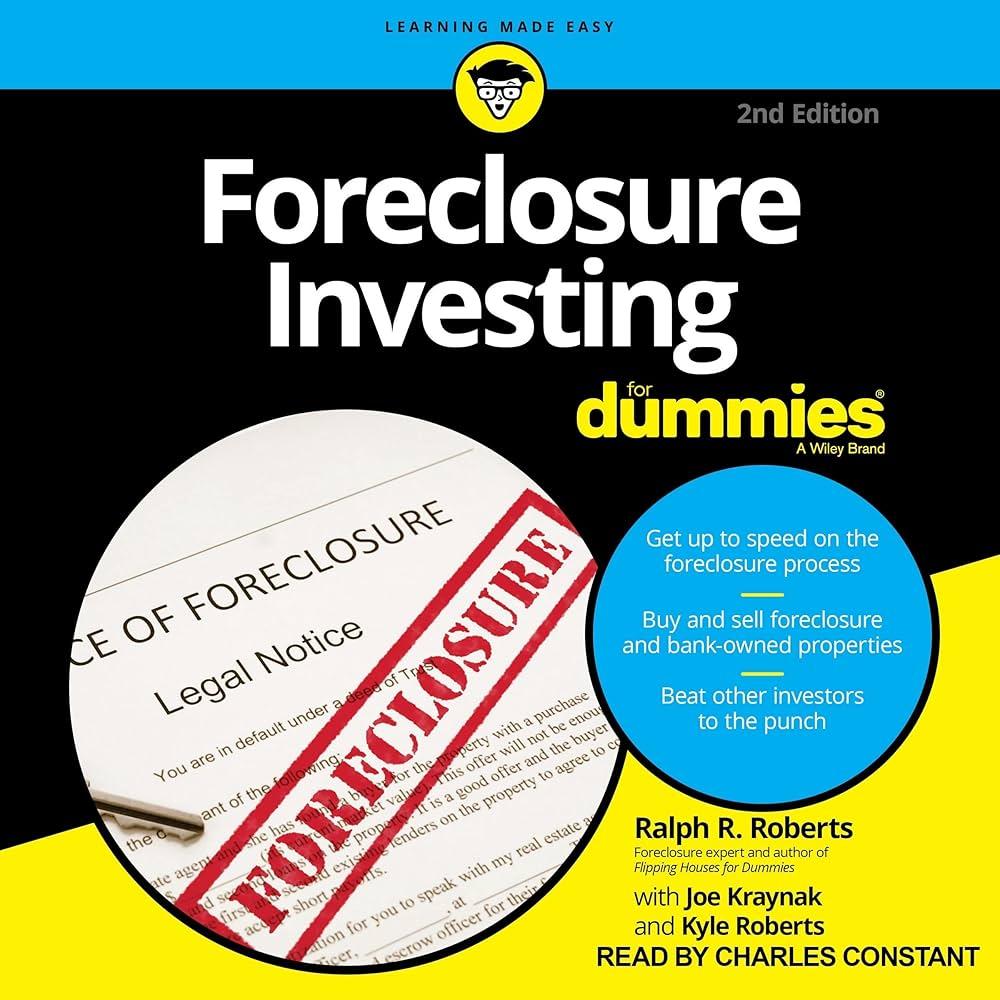
Unlocking Opportunities:
In the ever-evolving landscape of real estate investment, foreclosure and auction properties present a unique avenue for savvy investors looking to capitalize on opportunities that lie beyond traditional markets. with the right knowledge, strategies, and a keen eye for potential, you can navigate the complexities of this niche and turn distressed properties into lucrative assets. Whether you’re a seasoned investor or a newcomer eager to make your mark, understanding the intricacies of foreclosure and auction investing is essential. In this article, we will explore smart strategies that can help you identify promising opportunities, mitigate risks, and ultimately achieve success in this competitive arena. Join us as we delve into the essential tactics and insights that can propel your investment journey to new heights.
Table of Contents
- Understanding the Foreclosure Process and Key Terms
- Thorough Research: Analyzing Market Trends and Property Values
- Developing a Strategic Bidding Plan for Auctions
- Mitigating Risks: essential Tips for Successful Property Management After Acquisition
- In retrospect
Understanding the Foreclosure Process and Key Terms
Navigating the complexities of the foreclosure process requires a solid understanding of its stages and associated terminology. Typically,a foreclosure begins when a homeowner defaults on their mortgage,prompting the lender to initiate legal proceedings to reclaim the property. This process can be divided into several key stages: Pre-foreclosure, Foreclosure Auction, and Post-foreclosure. During pre-foreclosure, the borrower is notified of the impending auction, allowing them time to rectify their financial situation. Should they fail to do so, the property is auctioned off to the highest bidder, frequently enough resulting in a sale that can provide lucrative investment opportunities for savvy investors.
Understanding some essential terms can significantly enhance your investing strategy. As an example, you should be familiar with Redemption Period, which is the timeframe during which a borrower can reclaim their property by paying the owed amount post-auction. Additionally, terms such as Resale Value and HUD Properties are crucial, as they help assess the potential for profit after purchase. To help visualize the key phases and terms of the process, consider the table below:
| Term | Description |
|---|---|
| Pre-foreclosure | Initial phase where the borrower can possibly save the home. |
| Foreclosure Auction | Public sale of the property to recover the loan amount. |
| Redemption Period | timeframe for the borrower to regain possession by payment. |
| HUD Properties | Homes owned by the Department of Housing and Urban Growth. |
Thorough Research: Analyzing Market Trends and Property Values
Before diving into the world of foreclosure and auction investing, it’s critical to undertake thorough market research. Understanding current market trends provides invaluable insights that can significantly enhance your investment strategy.Keep an eye on factors such as local economic conditions, employment rates, and population demographics, as these elements play a crucial role in shaping property values.Additionally, monitoring seasonal trends in real estate can help identify the best times to invest. To effectively analyze these trends, you might consider:
- Examining local sales data for comparable properties
- Studying neighborhood development plans
- Reviewing historical price trends in the area
- Engaging with local real estate agents for their expert advice
In conjunction with market analysis, evaluating property values is essential for making informed decisions. Conducting a comparative market analysis (CMA) will allow you to assess the potential returns on investment. This involves comparing similar properties that have recently sold in the same area to gauge realistic pricing.A simple table can illustrate key value comparisons:
| Property Type | Avg. Sale Price | Price per Square Foot | % Change in Value (Last 12 Months) |
|---|---|---|---|
| single Family Home | $350,000 | $175 | 5% |
| Condominium | $250,000 | $200 | 3% |
| Multi-Family Unit | $450,000 | $150 | 4% |
By integrating these strategies and maintaining a proactive approach to research, you position yourself to capitalize on lucrative opportunities in the foreclosure and auction market.
Developing a Strategic Bidding Plan for Auctions
Creating a well-thought-out bidding strategy is essential for navigating the often unpredictable landscape of auctions, particularly in foreclosure investments. Start by conducting thorough research on the property and the auction environment. understand the local market trends, the conditions of the property, and the typical bidding behavior observed in similar auctions. This groundwork will allow you to establish a realistic maximum bid that reflects both your research insights and your financial limits.
A successful bidding plan should incorporate not only your financial constraints but also your timing and emotional readiness during the auction. Consider setting a strict limit based on your thorough analysis and stick to it, nonetheless of how competitive the bidding becomes. Additionally, think about implementing strategic techniques like proxy bidding or utilizing an agent, which can help you remain detached in the heat of the moment. To summarize, your strategic bidding plan should include:
- Maximum bid cap: Determine a solid figure before the auction.
- Property research: Analyze comparable sales and market conditions.
- Bidding techniques: Explore options like proxy or staggered bidding.
- Emotional control: Prepare mentally to avoid impulsive decisions.
Mitigating Risks: Essential Tips for Successful property Management After Acquisition
After acquiring a property, it’s crucial to implement strategies that minimize risks and enhance the overall management experience. Start by conducting a thorough assessment of the property, focusing on key areas such as structural integrity, zoning regulations, and potential environmental concerns. Engage professionals for inspections to uncover hidden issues that could escalate into costly problems. additionally, building a network of reliable contractors can ensure that any necessary repairs or renovations are handled efficiently and correctly, maintaining the property’s value over time.
Another proactive measure involves staying informed about local market trends and regulations. Understanding fluctuations in property values and neighborhood dynamics can aid in making informed decisions regarding leasing or selling. To streamline property management, consider utilizing digital tools that facilitate tenant interaction, track maintenance requests, and automate rental payments. Such systems not only enhance operational efficiency but also foster positive relationships with tenants, ultimately leading to lower turnover rates. to visualize your expenses and income, maintaining a simple table can be useful:
| Income/Expense Type | Monthly Amount |
|---|---|
| Rental Income | $2,500 |
| Maintenance Costs | $300 |
| Property management Fees | $250 |
| Utilities | $150 |
| Total | $2,500 – $1,150 = $1,350 Net Income |
In Retrospect
As we conclude our exploration of smart strategies for successful foreclosure and auction investing, it’s essential to remember that this dynamic market offers both opportunities and challenges. By arming yourself with knowledge, conducting thorough research, and staying attuned to market trends, you position yourself for success in this lucrative realm.
Whether you’re a seasoned investor or just dipping your toes into the world of real estate, the strategies outlined in this article can definitely help you navigate the complexities of foreclosures and auctions. Emphasizing due diligence, networking, and a clear investment strategy will not only mitigate risks but also enhance your potential for profitable returns.
As you embark on your investment journey, keep in mind that every setback is a stepping stone towards greater insight and success. With persistence, patience, and the right strategies in place, you can turn foreclosures and auctions into fruitful investments that contribute to your financial goals.
thank you for joining us on this journey into the world of foreclosure and auction investing. We encourage you to stay informed, keep learning, and network with industry professionals. Your next great investment opportunity may be just around the corner. Happy investing!