

Introduction
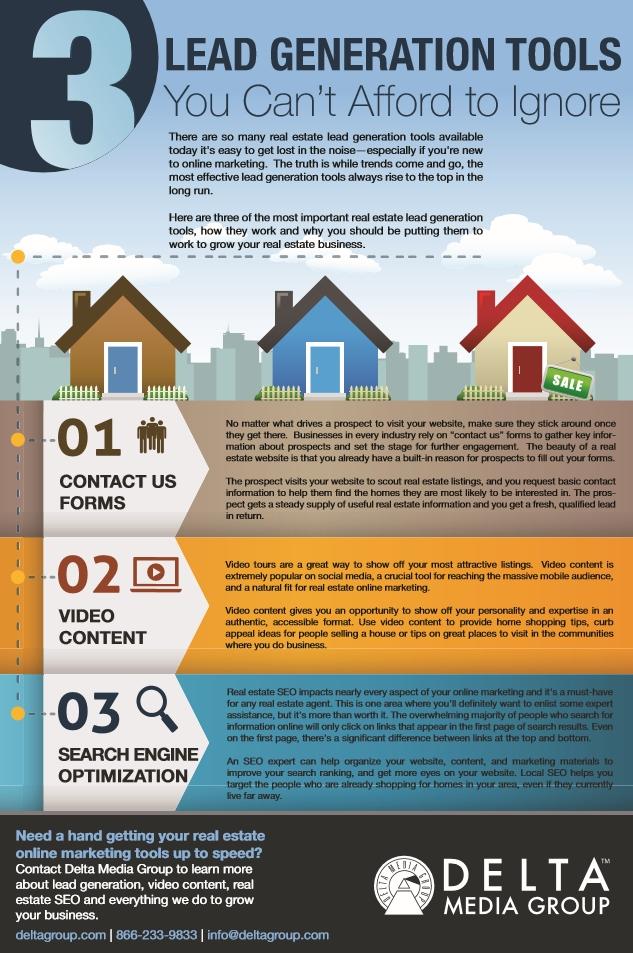
The real estate industry is undergoing a seismic shift, driven by rapid technological advancements and changing consumer behaviors. As we step into an era characterized by unprecedented connectivity and innovation, marketing strategies in real estate are evolving to meet the demands of an increasingly discerning market. this article explores the emerging trends reshaping the landscape, from data-driven insights and artificial intelligence to immersive virtual experiences and enhanced customer engagement techniques. Understanding these trends is not merely favorable; it is imperative for real estate professionals seeking to gain a competitive edge in a dynamic marketplace. Join us as we delve into the transformative forces at play, highlighting how forward-thinking marketers can leverage these developments to foster growth, build brand loyalty, and enhance client relationships in the ever-competitive real estate sector.
Table of Contents
- Harnessing Data Analytics for Targeted Marketing Strategies
- Enhancing Customer Engagement Through Virtual Reality Experiences
- Leveraging Social Media Platforms for Brand Visibility and Lead Generation
- Sustainability and Eco-Friendly Practices as a competitive Edge in real Estate Marketing
- The Conclusion
Harnessing Data Analytics for Targeted Marketing Strategies
In the dynamic landscape of real estate marketing, leveraging data analytics has become pivotal for crafting targeted strategies that resonate with potential buyers.By analyzing consumer behavior and preferences, realtors can tailor their marketing efforts to meet the specific demands of their target audience. Key insights derived from data analytics empower agencies to create personalized campaigns that utilize multiple channels effectively, ensuring prospective clients receive information most relevant to them. For example, understanding the demographics of a neighborhood can guide the creation of tailored property listings, utilizing attributes that appeal specifically to those buyers.
Moreover, companies can use predictive analytics to foresee market trends, allowing them to strategize proactively rather than reactively. This data-driven approach enhances the ability to allocate resources efficiently and maximize return on investment. Key components of an effective analytics framework in real estate marketing include:
- Market segmentation: Identifying distinct customer groups to personalize outreach.
- Consumer behavior analysis: Understanding how buyers interact with listings and marketing materials.
- Performance tracking: Measuring the success of diffrent marketing channels to optimize spend.
| Data Analytics Benefits | Impact on Marketing Strategies |
|---|---|
| Enhanced Buyer insights | Allows for customization of properties showcased. |
| Cost Efficiency | Optimizes marketing budgets by targeting high-potential leads. |
| Increased Engagement | Improves connection with the audience through relevant content. |
Enhancing Customer Engagement Through virtual Reality Experiences
Immersive technologies are creating unparalleled opportunities for real estate businesses to deepen connections with their audience. by integrating virtual reality into marketing strategies, companies can provide potential buyers with an experiential glimpse into properties without requiring a physical visit. This approach not only saves time but also enhances the decision-making process by allowing clients to visualize the space in a compelling way.
The benefits of utilizing virtual reality in real estate marketing are numerous:
- Increased Reach: Virtual tours can be shared widely across social media platforms and websites.
- Enhanced Interaction: Prospective buyers can interact with properties at their convenience,leading to a more engaged audience.
- Differentiation: Companies can stand out in a competitive market by offering innovative viewing alternatives.
- Cost-Effective Marketing: Reducing the need for in-person viewings lowers travel costs and time investments.
Leveraging Social Media Platforms for Brand Visibility and Lead Generation
in the competitive real estate market, harnessing the power of social media has become crucial for enhancing brand visibility and generating leads. Platforms like Instagram and Facebook offer distinctive opportunities for real estate professionals to showcase listings through stunning visuals and engaging stories. By utilizing targeted advertising options, agents can reach specific demographics, thereby maximizing their marketing efforts. Consistent posting and interaction with followers not only build a loyal community but also enhance the brand’s reputation, making it easier for potential clients to trust and engage with the service.
Moreover, creating informative and attractive content tailored for each social media platform can significantly boost lead generation. Consider the following strategies:
- Live Q&A Sessions: Engage directly with potential clients by hosting live sessions to discuss market trends, answer property-related questions, or provide buying tips.
- Virtual Tours: Leverage platforms like YouTube and Instagram reels to provide immersive virtual tours of listings, allowing prospective buyers to explore homes from the comfort of their screens.
- User-Generated Content: Encourage satisfied clients to share their experiences, showcasing the success stories that can attract new leads.
Sustainability and Eco-Friendly Practices as a Competitive Edge in Real Estate marketing
In the competitive landscape of real estate marketing, adopting sustainable and eco-friendly practices can significantly enhance a property’s appeal and value. Consumers are increasingly aware of their environmental footprint, which drives a demand for green living solutions. By integrating sustainability-focused elements, such as energy-efficient appliances, solar panels, and sustainable building materials, developers can not only attract eco-conscious buyers but also create a unique selling proposition.This commitment to sustainability can be showcased through targeted marketing strategies that emphasize the positive impact of these features on utility savings and overall health.
Moreover, leveraging eco-friendly practices as part of a comprehensive marketing strategy involves utilizing digital platforms and social media to reach a broader audience.By promoting properties through channels that highlight environmental benefits—like virtual tours that showcase green spaces and sustainable features—real estate professionals can set themselves apart from competitors. Additionally, engaging with local communities via events or partnerships that focus on sustainability initiatives can foster brand loyalty and establish trust. Here are some effective tactics to consider:
- Content Marketing: Share blogs and articles that highlight sustainability trends and tips for eco-friendly living.
- Social Media Campaigns: Use platforms like Instagram and TikTok to showcase green features through visuals.
- Community Engagement: Participate in or sponsor local environmental initiatives.
| Eco-Friendly Feature | Benefits |
|---|---|
| Solar Panels | Reduce energy costs and increase property value. |
| Energy-efficient windows | Enhance insulation, leading to lower heating and cooling expenses. |
| Rainwater Harvesting Systems | Promote conservation and lower water bills. |
The Conclusion
As we navigate the dynamic landscape of real estate, it is indeed clear that emerging marketing trends are not merely passing fads, but critically important catalysts shaping the industry’s future. From the integration of advanced technologies such as AI and virtual reality to the growing emphasis on sustainability and targeted digital strategies, the way we connect with potential buyers and tenants is evolving at an unprecedented pace.
By embracing these innovative approaches and staying attuned to consumer preferences,real estate professionals can position themselves at the forefront of this change. It is indeed essential to continuously adapt and refine marketing strategies to remain competitive in an ever-changing market. As we look ahead, those who leverage these trends will not only enhance their visibility and brand loyalty but also foster lasting relationships that drive success in an increasingly competitive arena.
In this age of rapid change, let us commit to proactive engagement with these emerging trends, ensuring we are not just observers, but active participants in the ongoing evolution of real estate marketing. The future is radiant for those willing to innovate and evolve.