

Introduction
The foreclosure process can be a daunting and complex journey for homeowners facing financial distress. Understanding the intricacies of the legal framework surrounding foreclosure is crucial for property owners to navigate this challenging experience effectively. With rising economic pressures and shifting housing market dynamics, many homeowners find themselves at risk of losing their properties. This article aims to demystify the foreclosure legal process, providing a comprehensive overview of essential terms, stages, and potential implications for owners. By elucidating the steps involved and the available options, we hope to empower homeowners with the knowledge necessary to make informed decisions during this tumultuous period. In doing so, we will explore not only the legal ramifications but also the emotional and financial impacts that foreclosure can have on individuals and families.
Table of Contents
- Understanding the Key Stages of the Foreclosure Legal Process
- Exploring the Emotional and financial Impact on Homeowners
- Navigating Options for Avoiding Foreclosure and Seeking Assistance
- Recommendations for Taking Proactive Steps in the Foreclosure Journey
- The Conclusion
Understanding the Key Stages of the Foreclosure Legal process
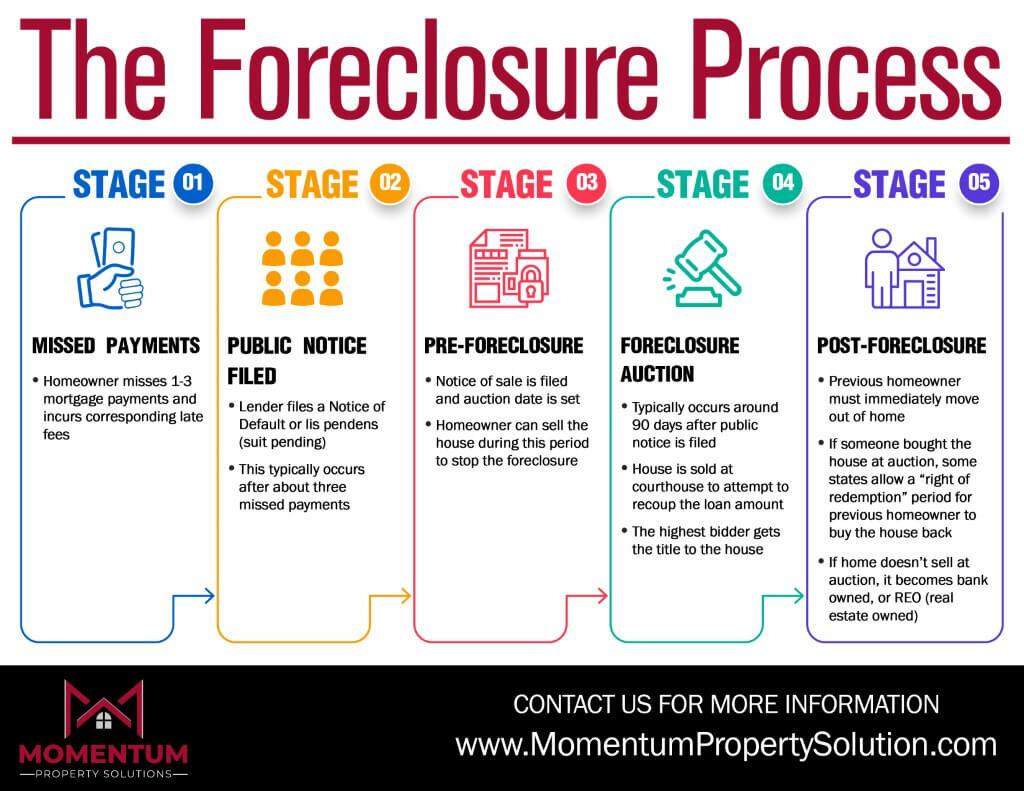
The foreclosure legal process encompasses several crucial stages, each defining the trajectory of property rights and owner responsibilities.Initially, the journey begins with default on the mortgage, triggered when an owner fails to make timely payments. This breach not only poses a financial strain on the homeowner but also ignites the paperwork phase where the lender notifies the owner through a Notice of Default. Understanding these early notifications is basic, as they set the stage for impending actions, suggesting the need for immediate intervention or negotiation to avoid escalation.
As the situation progresses, if no resolution is reached, the lender may file for judicial foreclosure, placing the matter before a court. this stage involves various legal motions and hearings, frequently enough culminating in a foreclosure sale if the bank wins the case. Homeowners should be aware of their right to contest the foreclosure and explore options such as loan modification or bankruptcy. Additionally, it’s vital to comprehend how timelines and state laws impact the process, as these factors can substantially alter rights and potential outcomes for the homeowner.
Exploring the Emotional and Financial Impact on Homeowners
The journey through the foreclosure process is not just a legal battleground; it unfolds layers of emotional and financial turmoil for homeowners. many individuals experience a profound sense of loss, shame, and anxiety as they grapple with the possibility of losing their homes. The emotional strain can manifest in various ways, affecting personal relationships, job performance, and overall mental health. Homeowners find themselves managing an uncertain future and frequently enough feel isolated in their struggle, leading to feelings of hopelessness and despair.
Financially, the impact can be equally devastating. Foreclosure can severely damage credit scores, causing long-lasting repercussions that affect future borrowing and financial integrity. homeowners often face unexpected costs during the process, including legal fees and the costs associated with moving. The potential for increased debt and loss of equity can plunge families into a cycle of financial instability. In addition, many homeowners may find it challenging to secure affordable housing after foreclosure, further exacerbating their predicament.The following table summarizes the key emotional and financial challenges faced by homeowners during foreclosure:
| Challenge | Description |
|---|---|
| Emotional Distress | Feelings of anxiety, shame, and despair. |
| Credit Score Impact | Notable drops making future loans tough. |
| Unforeseen Costs | Legal fees and moving expenses accumulate. |
| Loss of Equity | Possible total loss of home value investment. |
| Housing Instability | Challenges in finding affordable housing post-foreclosure. |
Navigating Options for Avoiding Foreclosure and Seeking assistance
For homeowners facing the distressing possibility of foreclosure, it is crucial to explore all available options for assistance. Loan modifications can be a viable route, allowing homeowners to negotiate more manageable terms with their lenders, thereby potentially lowering monthly payments. Additionally, repayment plans can help catch up on missed payments by spreading them over time. Other alternatives include short sales, where the property is sold for less than its outstanding mortgage balance, and deed-in-lieu of foreclosure, where the homeowner voluntarily relinquishes the property to avoid the lengthy foreclosure process.
Seeking external support can also be beneficial. Numerous non-profit organizations and government programs exist to provide guidance and possible financial aid. Engaging with a HUD-approved housing counselor can furnish homeowners with vital facts regarding their rights and available resources. Furthermore, local legal aid services may offer free or low-cost assistance to those who qualify. A combination of proactive negotiation with lenders and strategic support can help homeowners navigate these difficult waters more effectively. Below is a simple comparison of some options available:
| Option | Description | pros | cons |
|---|---|---|---|
| Loan Modification | Adjusting the loan’s terms. | Lower payments, more manageable. | Possible fees and long process. |
| Short Sale | Selling property for less than owed. | Avoid foreclosure impact on credit. | Requires lender approval, can be lengthy. |
| Deed-in-Lieu | Returning property to lender. | relatively speedy way out. | Impact on credit rating. |
| Repayment Plan | Make up missed payments over time. | Get back on track without losing home. | Higher immediate payments. |
Recommendations for Taking Proactive Steps in the Foreclosure Journey
Homeowners facing foreclosure can mitigate stress and enhance their chances of a favorable outcome by taking proactive measures. Establishing open lines of interaction with the lender can lead to options such as loan modifications or repayment plans. additionally, seeking the expertise of a knowledgeable real estate attorney can provide valuable insights into the legal implications and available defenses within the foreclosure process. Other steps include:
- Staying organized: Keep detailed records of all communications with lenders, payments made, and any agreements reached.
- Exploring assistance programs: Investigate local or national programs designed to assist homeowners in distress.
- Understanding your rights: Educate yourself about homeowner protections that may apply in your situation.
Furthermore, homeowners should actively seek to review their financial situation, pinpointing areas where adjustments can be made to improve cash flow. This might include creating a strict budget to eliminate unnecessary expenses or discussing temporary financial assistance options with family and friends. It is equally important to be aware of potential scams designed to exploit vulnerable homeowners. Use the following checklist to stay vigilant:
| Signs of Foreclosure Scams | What to Do |
|---|---|
| Promises of quick fixes | Research thoroughly and consult a professional. |
| Requests for upfront fees | Look for reputable organizations offering free advice. |
| Bait and switch offers | Read all agreements carefully before signing. |
The Conclusion
understanding the foreclosure legal process is essential for homeowners facing financial difficulties. The complexities of the legal framework surrounding foreclosure can be daunting, and the consequences of foreclosure extend far beyond the immediate loss of property. By familiarizing themselves with the steps involved in the foreclosure process, as well as the potential legal avenues for defense and mitigation, homeowners can better navigate this challenging situation. It is crucial for affected homeowners to seek professional advice and resources to explore all available options,ensuring informed decisions during a particularly stressful time. Ultimately, knowledge is a powerful tool that can empower individuals to confront the challenges of foreclosure, seek resolution, and aspire toward a more secure financial future.