

introduction: Understanding Real Estate Transfer Taxes
In the complex landscape of real estate transactions, one aspect that often goes unnoticed yet substantially impacts buyers and sellers alike is the real estate transfer tax. These levies, imposed by state and local governments during the transfer of property ownership, can vary widely in their rates and regulations. As property values continue to soar and market dynamics evolve, navigating the intricacies of transfer taxes is essential for anyone engaged in real estate dealings. This article aims to provide essential insights into real estate transfer taxes, shedding light on their purpose, calculation methods, and implications for transactions. By exploring this vital topic, we seek to equip readers with the knowledge necessary to approach real estate deals with confidence and clarity.
Table of Contents
- Understanding real Estate Transfer Taxes: A Comprehensive Overview
- Key Factors influencing Transfer Tax Rates and Their Implications
- Practical Strategies for Minimizing Transfer tax Liabilities
- Navigating Exemptions and Special Regulations in Transfer Tax Legislation
- To Conclude
Understanding Real Estate Transfer Taxes: A Comprehensive Overview
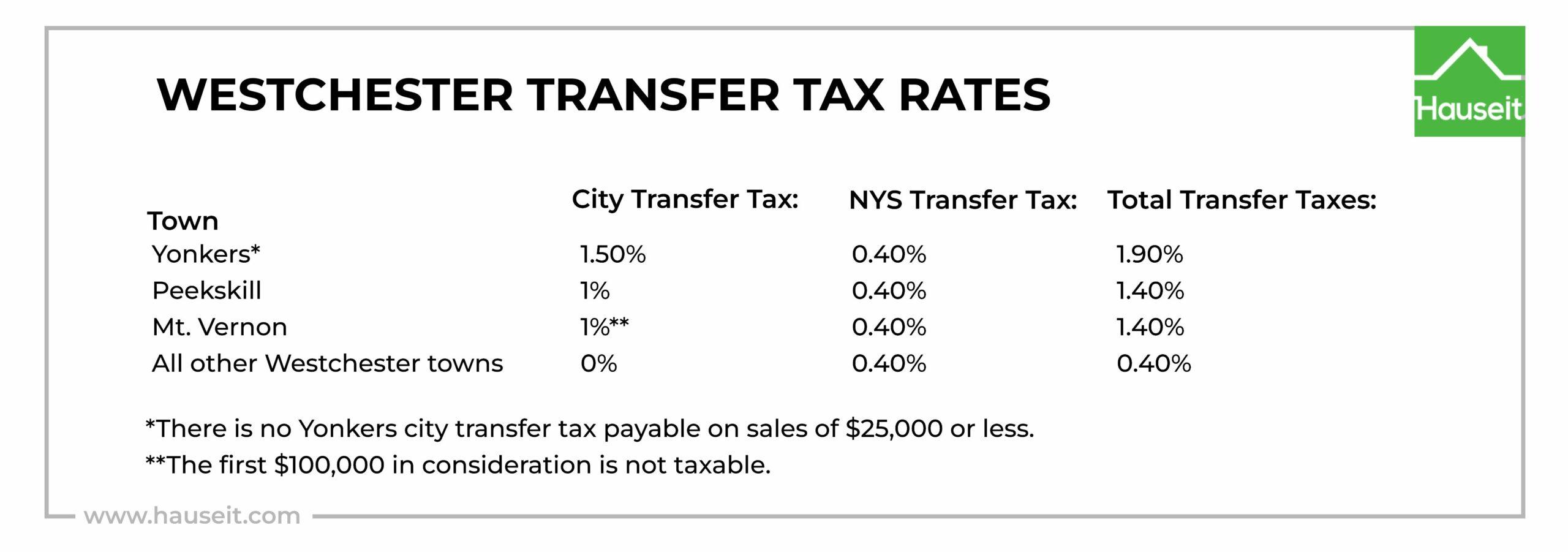
Real estate transfer taxes play a crucial role in the property transaction landscape. These taxes are typically levied by state or local governments when a property changes hands. Understanding the nuances of these taxes can definitely help buyers and sellers make informed decisions during the transaction process. Factors that may influence the tax rates include:
- Location: The tax rate can vary significantly from one jurisdiction to another.
- Property Value: Higher-valued properties generally incur higher transfer taxes.
- Property Type: Different rates may apply depending on whether the property is residential, commercial, or industrial.
The calculation of real estate transfer taxes can be straightforward,yet it often involves several variables. Most jurisdictions determine the tax based on a percentage of the sale price, which can lead to different outcomes based on the specific circumstances of the sale. Here’s a simple breakdown:
| Sale price | Transfer Tax Rate | Total Transfer Tax |
|---|---|---|
| $100,000 | 1% | $1,000 |
| $300,000 | 1.5% | $4,500 |
| $500,000 | 2% | $10,000 |
It’s vital for both parties to account for these taxes during negotiations, as they can affect the overall cost and financing of the sale. Moreover, certain exemptions and credits may exist that could alleviate some of this burden, making it essential to consult with a knowledgeable real estate professional or tax advisor during the process.
Key Factors Influencing Transfer Tax Rates and Their Implications
Understanding transfer tax rates is crucial for anyone involved in real estate transactions. Several key factors contribute to the variation in these rates, including property location, value of the property, and type of transaction.Different states and municipalities impose their own regulations,which can lead to significant discrepancies. As an example, highly urbanized areas may have higher rates due to increased demand for services, while rural locations might offer lower rates to promote growth. Additionally,the value of the property directly influences the tax: higher-value properties incur larger tax amounts.The nature of the transaction—whether it’s a standard sale, foreclosure, or inheritance—can also affect the applicable transfer tax rates.
The implications of these varying rates can be substantial for both buyers and sellers. A higher transfer tax can discourage buyers who may feel the added expense outweighs potential benefits. Conversely, sellers might be impacted by the willingness of buyers to negotiate on price to offset high transfer taxes. It’s also essential to consider how these rates can affect overall market activity, as fluctuating transfer tax policies can drive or deter investments in local markets. Below is a simplified overview of how these factors can influence transfer tax rates:
| Factor | Impact on Transfer Tax Rate |
|---|---|
| Location | Higher in urban areas; lower in rural regions |
| Property Value | Proportional increase with higher property values |
| Transaction Type | Different rates based on standard sales vs. other types |
Practical Strategies for Minimizing Transfer tax Liabilities
To effectively reduce yoru real estate transfer tax liabilities, strategic planning is essential. One way to achieve this is by timing your transactions carefully. Engaging in transactions during tax-free or lower tax periods can yield significant savings. Consider the impact of changing tax laws and rates, and aim to finalize sales when rates are likely to be at their lowest. Additionally, utilizing property exemptions where applicable, such as for first-time homebuyers or specific types of transfers, can provide crucial benefits. Checking with local regulations can uncover opportunities for exemptions that could minimize tax while still facilitating accomplished transactions.
Another effective strategy is to structure your transactions smartly. This may involve using entities such as Limited Liability Companies (LLCs) to hold properties, which can sometimes provide favorable tax treatment depending on your jurisdiction. Furthermore, conducting like-kind exchanges allows investors to defer tax payments when exchanging similar types of properties, effectively deferring payment until a future date when the property is sold for cash. In addition,consider involving professionals such as tax advisors or real estate attorneys to navigate the complexities of transfer taxes and explore personalized strategies tailored to your specific financial situation. By employing these methods, you can enhance your overall investment strategy while minimizing tax exposure.
Navigating Exemptions and Special Regulations in Transfer Tax Legislation
Understanding the various exemptions and special regulations surrounding transfer taxes can be complex but crucial for property owners and investors. Certain transactions are exempt from transfer taxes, which can significantly impact the cost of real estate transfers. Here are some common scenarios where exemptions may apply:
- Gifts and Inheritance: Transfers that occur through inheritance or as gifts may not incur transfer taxes.
- Government Transfers: Properties exchanged with government entities, including tax-delinquent sales, can be exempt.
- Non-Profit Transfers: many non-profit organizations can avoid these taxes when acquiring properties for charitable purposes.
Along with exemptions, special regulations can also play a pivotal role in determining tax obligations. Specific localities often have their own rules that may alter the standard transfer tax rates or provide additional relief. It is essential for property owners to be aware of:
- Local Variances: Some municipalities may offer reduced rates for certain types of residential transactions.
- Time-sensitive Regulations: Temporary relief measures during economic downturns can affect transfer tax requirements.
- Multiple Property Transactions: Bulk transfers might qualify for reduced rates depending on regional policies.
| Exemption Type | Description |
|---|---|
| Gift Transfers | Property transferred without a sale price or consideration. |
| Inheritances | Property acquired through a will or estate plan. |
| Government Transfers | Sales or transfers to or from government agencies. |
To Conclude
understanding real estate transfer taxes is crucial for both buyers and sellers navigating the property market. These taxes play a significant role in the overall cost of a real estate transaction and can impact investment outcomes.By familiarizing yourself with the various rates, exemptions, and regulations that may apply in your locality, you can make informed decisions and potentially avoid unnecessary expenses. As you embark on your real estate journey, we encourage you to consult with qualified professionals who can provide personalized advice tailored to your unique situation. Staying informed not only empowers you as a participant in the market but also enhances your ability to successfully manage your investments. Thank you for reading, and we wish you success in your real estate endeavors.