

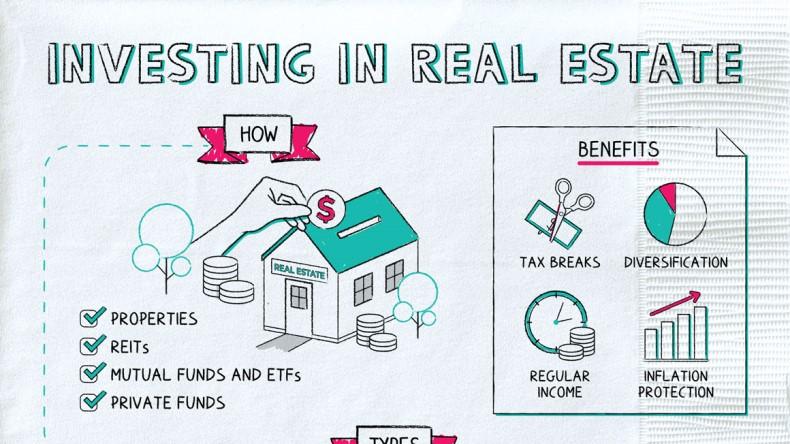
In a world where investment options abound and market dynamics constantly shift,real estate consistently emerges as a stable and rewarding choice for savvy investors. Whether you’re a seasoned realty mogul or a first-time buyer, understanding the enduring allure of real estate is essential for navigating today’s complex financial landscape. With its unique blend of tangible assets, potential for thankfulness, and cash flow opportunities, real estate offers a level of security that many other investment vehicles simply can’t match. In this article, we’ll explore the compelling reasons why real estate remains a smart investment choice today, delving into market trends, economic indicators, and the irreplaceable value of property ownership. Join us as we uncover the advantages that make real estate not just a traditional choice,but a dynamic prospect in today’s economy.
Table of Contents
- Understanding Market Resilience and Long-Term Growth Potential
- Leveraging Tax Benefits and Financing Options for Smart Gains
- Evaluating Location Trends and Emerging Neighborhoods for Maximum ROI
- Building a Diversified Portfolio with Real Estate Investments
- Key Takeaways
Understanding Market Resilience and Long-Term Growth Potential
In the ever-evolving landscape of investment opportunities, real estate stands out for its remarkable capacity to endure economic fluctuations while providing a solid avenue for long-term wealth creation. This market resilience is primarily attributed to several key factors:
- Intrinsic Demand: The need for housing remains constant, making residential properties a stable investment.
- Diverse Portfolio: real estate allows investors to diversify their assets, reducing risk associated with market volatility.
- Inflation Hedge: Property values and rental income typically rise in line with inflation, safeguarding purchasing power.
Moreover, the long-term growth potential of real estate is supported by several favorable market trends that investors should consider:
- Urbanization: As more people flock to urban areas, demand for housing in these regions is set to surge.
- Technological Advancements: Innovations in property management and construction enhance efficiency and reduce costs.
- Enduring Practices: Growing interest in eco-pleasant buildings attracts conscientious buyers and renters, contributing to long-term viability.
| factor | Impact on Growth |
|---|---|
| Location | High demand in urban centers fosters notable appreciation. |
| Market Trends | Awareness of lifestyle preferences leads to smarter buying strategies. |
| Real Estate Investment Trusts (REITs) | Accessible options for smaller investors looking for diversified exposure. |
Leveraging Tax Benefits and Financing Options for Smart Gains
Understanding the intricacies of tax benefits associated with real estate investment can significantly enhance your financial returns. Investors frequently enough overlook the following advantages,which can bolster cash flow and increase overall gains:
- Depreciation Deductions: Real estate investors can deduct the value of their property over time,reducing taxable income.
- 1031 Exchange: This provision allows investors to defer capital gains taxes by reinvesting in similar properties.
- Mortgage Interest Deduction: Interest paid on loans for real estate investments is typically tax-deductible, adding to savings.
Financing options have also evolved, providing investors with diverse pathways to maximize their investment potential. Innovative funding sources enable greater versatility, such as:
- FHA and VA Loans: These government-backed loans often come with lower down payment requirements and competitive interest rates.
- hard money Lenders: These lenders provide short-term loans, ideal for flipping properties or rapid financing solutions.
- Real Estate Investment Trusts (REITs): For those aiming for passive income without direct property management, REITs offer a potential return alongside tax benefits.
| Financing Options | Key Benefits |
|---|---|
| FHA Loans | Low down payment,easier qualification |
| VA Loans | No down payment for veterans,no PMI |
| Hard Money Loans | Quick access to cash,flexible terms |
| REITs | Passive income,lower entry barriers |
Evaluating Location Trends and Emerging Neighborhoods for Maximum ROI
Investing in real estate is as much about location as it is indeed about the property itself. Understanding where the market is headed can provide investors with a significant advantage. Key indicators to consider include local economic growth, population trends, and development plans. Look for neighborhoods that exhibit:
- Strong Job Growth: Areas experiencing an influx of businesses often attract new residents,leading to increased demand for housing.
- Revitalization Projects: Neighborhoods undergoing renovation or urban renewal are likely to appreciate in value.
- Access to Amenities: Proximity to parks,schools,and public transport can dramatically enhance property desirability.
Investors should not overlook up-and-coming neighborhoods that may currently be undervalued. By identifying these hidden gems, one can often secure properties at lower prices before the market catches up. Tracking historical trends alongside community developments can be insightful. A comparison table outlining various neighborhoods can aid in this evaluation:
| Neighborhood | current Average Price | Projected Growth (Next 5 Years) | Key Developments |
|---|---|---|---|
| Sunnyvale | $450,000 | 15% | New Tech Hub Construction |
| Greenwood | $325,000 | 20% | Community Revitalization Initiative |
| Riverside | $400,000 | 10% | Park Development and Trails expansion |
Staying informed about these factors can mean the difference between a lackluster investment and a lucrative opportunity. As trends continue to evolve, savvy investors who conduct thorough research and remain alert to emerging neighborhoods stand to benefit significantly from their foresight.
Building a Diversified Portfolio with Real Estate Investments
Investing in real estate is a powerful strategy to build a diversified portfolio, providing both stability and growth potential in an unpredictable market. Unlike stocks or bonds, real estate is a tangible asset that frequently enough appreciates over time, offering the opportunity for considerable capital gains. moreover, real estate investments generate passive income through rental properties, which can further strengthen financial security. By incorporating different types of real estate—such as residential, commercial, and industrial properties—investors can spread risk and capitalize on various market conditions. The diverse nature of real estate allows investors to experience both cash flow and appreciation simultaneously.
When crafting a real estate investment strategy, it is indeed essential to consider several key factors to maximize returns. A well-thought-out approach might involve:
- Property Location: Investing in sought-after neighborhoods can yield better appreciation rates.
- Market Research: Understanding local market trends helps identify growth opportunities.
- Property Management: Effective management ensures that properties are well-maintained, attracting reliable tenants.
- diversification: Holding different types of real estate mitigates risks associated with market fluctuations.
By leveraging these factors, investors can create a balanced investment framework that stands the test of economic shifts. Additionally, integrating real estate into a portfolio can offer benefits such as tax advantages and hedging against inflation. below is a brief overview of potential real estate investment types and their characteristics:
| Investment Type | Characteristics |
|---|---|
| Residential Properties | Stable income, strong demand, lower entry costs. |
| Commercial Properties | Higher potential returns, longer lease terms, greater risk. |
| Industrial Properties | Growing demand, long-term leases, requires higher capital. |
| REITs (Real Estate Investment Trusts) | Liquidity, dividend income, diversified exposure. |
Key Takeaways
the resilience of the real estate market amid economic fluctuations reinforces its status as a wise investment choice, even in today’s dynamic landscape. With the potential for steady appreciation, rental income, and the benefits of diversification, real estate offers investors a unique opportunity to build wealth and secure their financial futures. As we move forward, whether you are a seasoned investor or a newcomer to the world of real estate, remaining informed and adaptable is key. By keeping an eye on market trends and understanding local dynamics, you can make informed decisions that align with your financial goals. Remember, investing in real estate is not just about properties; it’s about creating lasting value and cultivating opportunities that can weather the test of time. So, as you consider your next move, take a moment to reflect on how real estate can fit into your broader investment strategy—because the best time to plant a tree was 20 years ago; the second best time is now. Happy investing!