

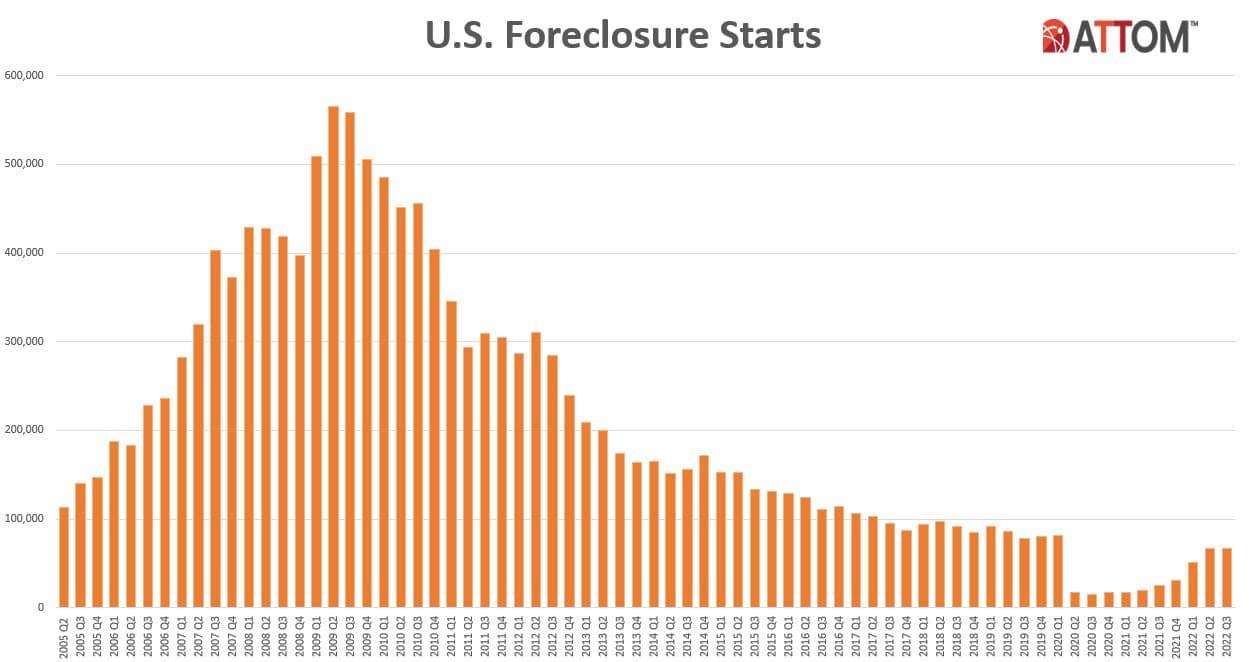
In recent years, the landscape of the real estate market has undergone significant transformations, especially in the context of foreclosure trends and rates. As economic factors, housing policies, and consumer behaviors intertwine, the implications for homeowners, investors, and policymakers become increasingly complex. This comprehensive analysis delves into the current state of foreclosure trends, examining key data points, underlying causes, and the socio-economic factors that are shaping these patterns. By providing a thorough evaluation of foreclosure rates across various regions and demographic segments, this article aims to illuminate the challenges faced by distressed homeowners while also exploring potential pathways for recovery. as we navigate through the intricacies of the foreclosure landscape, our goal is to equip readers with a nuanced understanding of how these trends influence the broader economic framework and what strategies can be employed to mitigate their impact.
Table of Contents
- Current Foreclosure Rates: Understanding the Data and Trends
- Factors Influencing Foreclosure Rates in the Current Economic Climate
- Impact of Foreclosure Trends on Housing Markets and Local Economies
- Strategic Recommendations for Mitigating Foreclosure Risks and Supporting Homeowners
- The Way Forward
Current Foreclosure Rates: Understanding the Data and Trends
Understanding current foreclosure rates requires examining various factors that contribute to these numbers. Recently, we have observed a fluctuation in rates, influenced by economic conditions, government policies, and consumer behavior. key elements affecting these trends include:
- Interest Rates: The rise or fall in interest rates can directly impact borrowers’ ability to meet mortgage obligations.
- Employment Rates: A robust job market suggests fewer foreclosures,while higher unemployment often correlates with rising rates.
- Housing Market Dynamics: Changes in home prices and inventory levels can significantly affect foreclosure rates.
The current statistics illustrate these trends, showcasing how foreclosures can vary across regions. Such as, a recent analysis of foreclosure applications highlights disparities in rates among various states:
| State | Foreclosure Rate (%) |
|---|---|
| California | 0.25 |
| Florida | 0.75 |
| Texas | 0.50 |
these numbers reveal significant variations, underscoring the importance of localized analysis when assessing foreclosure trends. By keeping an eye on these statistics, stakeholders can make informed decisions aligned with market changes and economic forecasts.
Factors Influencing Foreclosure Rates in the Current Economic Climate
Numerous factors interplay to shape the landscape of foreclosure rates amid the current economic environment, where rising inflation and fluctuating interest rates are of particular significance. These elements disturb the delicate balance between homeownership affordability and market stability. The moast pressing factors include:
- Unemployment Rates: High unemployment can lead to mortgage defaults, as individuals struggle to meet financial obligations.
- Interest Rate Fluctuations: increasing interest rates make mortgages more expensive, possibly pushing more homeowners into delinquency.
- Housing Market Conditions: A declining real estate market reduces home equity, making refinancing options scarce and increasing the risk of foreclosure.
- Government Policy Changes: Adjustments in foreclosure regulations or home loan assistance programs can significantly influence rates.
The combination of these factors creates a volatile backdrop for prospective and current homeowners. Evaluating foreclosure trends thus requires an understanding of both macroeconomic indicators and localized market dynamics.For instance, a study of current foreclosure rates reveals a direct correlation between economic distress in specific regions and the increase in foreclosures, highlighting the need for tailored intervention strategies. To illustrate, consider the following data on foreclosure rates across various states:
| State | Q3 Foreclosure Rate (%) | Unemployment Rate (%) |
|---|---|---|
| California | 1.1 | 6.9 |
| Florida | 3.0 | 5.5 |
| Texas | 1.5 | 4.3 |
| New York | 5.8 | 7.5 |
Impact of Foreclosure Trends on Housing Markets and Local Economies
The dynamics of the housing market are profoundly influenced by foreclosure trends. As rates fluctuate, they exert pressure on property values, leading to a potential oversupply of homes. Buyers may find opportunities in lower prices, but the downward spiral of property values often creates a challenging environment for existing homeowners, who may experience negative equity. In communities affected by high foreclosure rates, the deterioration of neighborhood appeal becomes evident, with vacant properties contributing to urban blight. Local governments may struggle to maintain infrastructure and services, further exacerbating economic disparities within the region.
Moreover, the broader economic implications of rising foreclosures cannot be overlooked. These trends can lead to a ample decline in property tax revenues, which adversely affects public services such as education and law enforcement. Local businesses might face reduced customer spending as households deal with financial instabilities. Additionally, high foreclosure rates can have a ripple effect on the job market; as homeowners lose their homes, they are forced to relocate, frequently enough resulting in a temporary or permanent loss of workforce in the area. The overall stability of the local economy hinges on a balanced housing market, underscoring the need for effective policies to mitigate the impacts of foreclosures.
Strategic Recommendations for Mitigating Foreclosure Risks and supporting Homeowners
To effectively reduce foreclosure risks and bolster support for homeowners, a multi-faceted approach is essential. Lenders should prioritize proactive communication to ensure borrowers understand their repayment options and the resources available to them. Implementing financial literacy programs can empower homeowners to make informed decisions regarding their mortgages. Additionally, creating flexible loan modification programs that cater to borrowers’ individual circumstances can significantly decrease default rates.
Furthermore, local governments can contribute by establishing foreclosure prevention initiatives, focusing on resources such as legal assistance, mediation services, and housing counseling. Involving nonprofit organizations to provide financial assistance and advocacy for distressed homeowners can serve as a crucial safety net. This collaborative effort should be further complemented by research and data analysis to continuously assess community needs, ensuring that support systems adapt effectively to evolving economic conditions. Below is a concise overview of potential strategies:
| Strategy | Description |
|---|---|
| Proactive Communication | Ensuring borrowers are aware of their options and resources. |
| Financial Literacy Programs | Educating homeowners on mortgage management and financial planning. |
| Loan Modifications | Customized solutions to meet individual borrower circumstances. |
| Foreclosure Prevention Initiatives | Local programs providing legal and financial support. |
the Way Forward
In closing, our comprehensive analysis of current foreclosure trends and rates underscores the complexity of the housing market landscape. As we have observed, various factors—including economic conditions, interest rates, and government policies—interplay to influence foreclosure activity. The data indicates that while some regions exhibit signs of stabilization, others confront significant challenges that continue to impact homeowners and the broader economy.
As we move forward, stakeholders—including policymakers, real estate professionals, and potential buyers—must remain vigilant and informed. Monitoring these trends will be crucial in anticipating potential shifts and adapting strategies accordingly. In a dynamic market, the ability to navigate these fluctuations can make a significant difference in mitigating risks associated with foreclosures.
Ultimately, understanding the nuances of foreclosure trends not only aids in making informed decisions but also highlights the importance of ongoing research and analysis in fostering a healthier housing market. Continued vigilance and proactive measures will be essential as we work towards a future characterized by stability and chance for all participants in the real estate sector.