

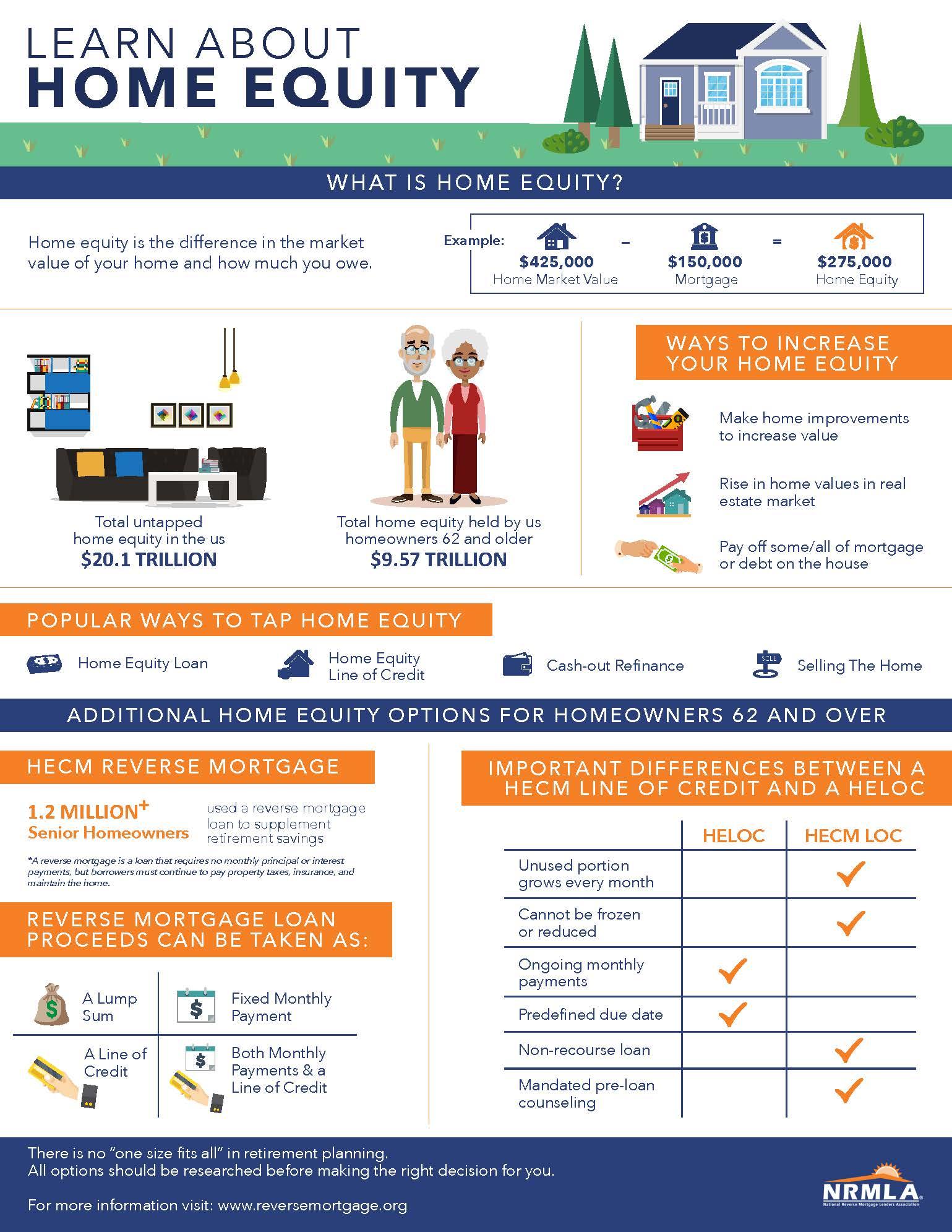
In the ever-evolving landscape of personal finance, homeowners possess a unique asset that can be strategically leveraged: home equity.This intrinsic value, built up over time through mortgage payments and rising property prices, can serve as a powerful tool in designing effective mortgage financing strategies.As individuals seek to optimize their financial portfolios, understanding how to utilize this equity can unlock opportunities for refinancing, acquiring additional property, or funding significant expenditures such as education or renovations. This article will explore the various ways homeowners can access and leverage their home equity to develop effective mortgage financing strategies, highlighting key considerations, potential risks, and the benefits of informed decision-making in this multifaceted realm of real estate economics.
Table of Contents
- Understanding Home Equity and Its Role in Mortgage Financing
- Evaluating Different Mortgage Options for home equity Utilization
- Strategic Approaches to Maximize Home Equity in Investment decisions
- Assessing Risks and Long-Term Implications of Using Home Equity for Financing
- In Summary
understanding home Equity and Its Role in Mortgage Financing
home equity refers to the difference between the current market value of your home and the outstanding mortgage balance. As property values increase, so does the equity you have accumulated. This financial asset can be a powerful tool in mortgage financing, allowing homeowners to access funds for various needs, whether it be home renovations, debt consolidation, or major purchases.The key elements to understand about home equity include:
- Equity Building: Regular mortgage payments and property value recognition contribute to building equity over time.
- Accessing Equity: Homeowners can tap into their equity through methods like Home Equity Lines of Credit (HELOCs) or cash-out refinances.
- Risk Consideration: Leveraging home equity must be approached with caution, as increased debt levels can lead to financial strain if property values decline.
To illustrate the impact of home equity in mortgage financing, consider the following example of how equity can be used:
| Home Value | Mortgage Balance | Available Equity | Potential Use |
|---|---|---|---|
| $400,000 | $250,000 | $150,000 | Home Improvements |
| $350,000 | $200,000 | $150,000 | Debt Consolidation |
| $500,000 | $300,000 | $200,000 | Major Purchase |
As illustrated, the available equity plays a significant role in determining the strategies homeowners can utilize to finance improvements or manage financial obligations effectively. Understanding these dynamics can empower homeowners to make informed decisions regarding their properties and financial futures.
Evaluating different Mortgage Options for Home Equity utilization
When considering leveraging home equity, it’s essential to evaluate various mortgage options tailored to individual financial goals. Home Equity Lines of Credit (HELOCs) offer flexibility, allowing homeowners to borrow as needed, while only paying interest on the amount drawn. Alternatively, a Home Equity Loan provides a lump sum with a fixed interest rate, making it ideal for large expenses like renovations or debt consolidation. Each option carries distinct implications for monthly payments, interest rates, and repayment terms. understanding these differences can help homeowners make informed decisions based on their unique financial situations.
In addition to HELOCs and Home Equity Loans, cash-out refinancing is another route to consider, particularly for those with rising property values. This option allows homeowners to refinance their existing mortgage for an amount greater than what they owe and take the difference in cash. Evaluating these choices requires a keen understanding of factors such as current interest rates,potential tax implications,and overall financial objectives. Below is a comparative overview of these mortgage options:
| Mortgage Option | Loan Type | Interest Rate | Repayment Structure |
|---|---|---|---|
| HELOC | Revolving | Variable | Interest + Principal |
| Home Equity Loan | Installment | Fixed | Fixed Monthly Payments |
| Cash-Out Refinance | Refinancing | Fixed/Variable | Fixed Monthly Payments |
Strategic Approaches to Maximize Home Equity in Investment Decisions
To optimize home equity in investment decisions, homeowners should consider various strategies that not only leverage their current equity but also enhance future financial growth. Tapping into home equity through options like Home Equity Line of Credit (HELOC) can provide immediate funds for investments, be it in stocks, real estate, or starting a business. This is especially beneficial in markets where property values are steadily increasing, allowing homeowners to unlock capital while minimizing risks associated with high-interest loans.Additionally, performing regular home value assessments ensures that homeowners are aware of their equity levels, enabling timely investment choices.
Another critically important consideration is to prioritize debt management, focusing on low-interest financing options that maximize your home equity’s potential. By consolidating high-interest debts with home equity financing, homeowners can free up cash flow for other investment opportunities. It’s also essential to diversify the portfolio with a thoughtful mix of short-term and long-term investments to balance risks and rewards. The following table outlines potential financing strategies along with their advantages:
| Financing Strategy | Advantages |
|---|---|
| Home Equity Line of Credit (HELOC) | Flexible access to funds, only pay interest on withdrawn amount |
| Cash-Out Refinance | Lower interest rates than personal loans, fixed monthly payments |
| Home Equity Loans | Fixed borrowing amount, predictable repayment schedule |
Assessing Risks and Long-Term Implications of Using Home Equity for Financing
Using home equity as a financial tool comes with significant risks and long-term implications that homeowners need to carefully evaluate. By tapping into the equity of your home, you can potentially access considerable amounts of money, but this strategy isn’t without its pitfalls. Consider the following factors:
- Market Fluctuations: Home values can decline, potentially leaving you owing more than your home is worth.
- Interest Rates: Variable interest rates might increase over time, leading to higher repayment costs.
- Closing Costs: Home equity loans or lines of credit come with associated fees that can impact overall affordability.
Moreover, the long-term implications of utilizing home equity can significantly affect your financial stability. Home equity financing can lead to prolonged debt burdens or potentially jeopardize your home if unable to meet repayment obligations. It’s crucial to also consider:
- Your Debt-to-Income Ratio: Increasing your debt may affect future borrowing capabilities.
- Retirement Planning: Using equity might impede your ability to save for retirement, as funds that could be saved are instead used for loan repayments.
- Exit Strategy: Plan for how and when you will pay off the borrowed funds, especially if home appreciation rates change unexpectedly.
In Summary
leveraging home equity can serve as a powerful tool in developing effective mortgage financing strategies. by understanding the various options available—such as home equity loans, lines of credit, or cash-out refinances—homeowners can strategically utilize their equity to lower monthly payments, fund home improvements, or consolidate debt. It is crucial, however, to approach these options with careful consideration of the associated risks and long-term implications. Effective management of home equity not only enhances financial flexibility but also empowers homeowners to make informed decisions that align with their overall financial goals.As the real estate market continues to evolve, staying informed on the best practices and strategies for utilizing home equity will remain essential for maximizing financial resources.