

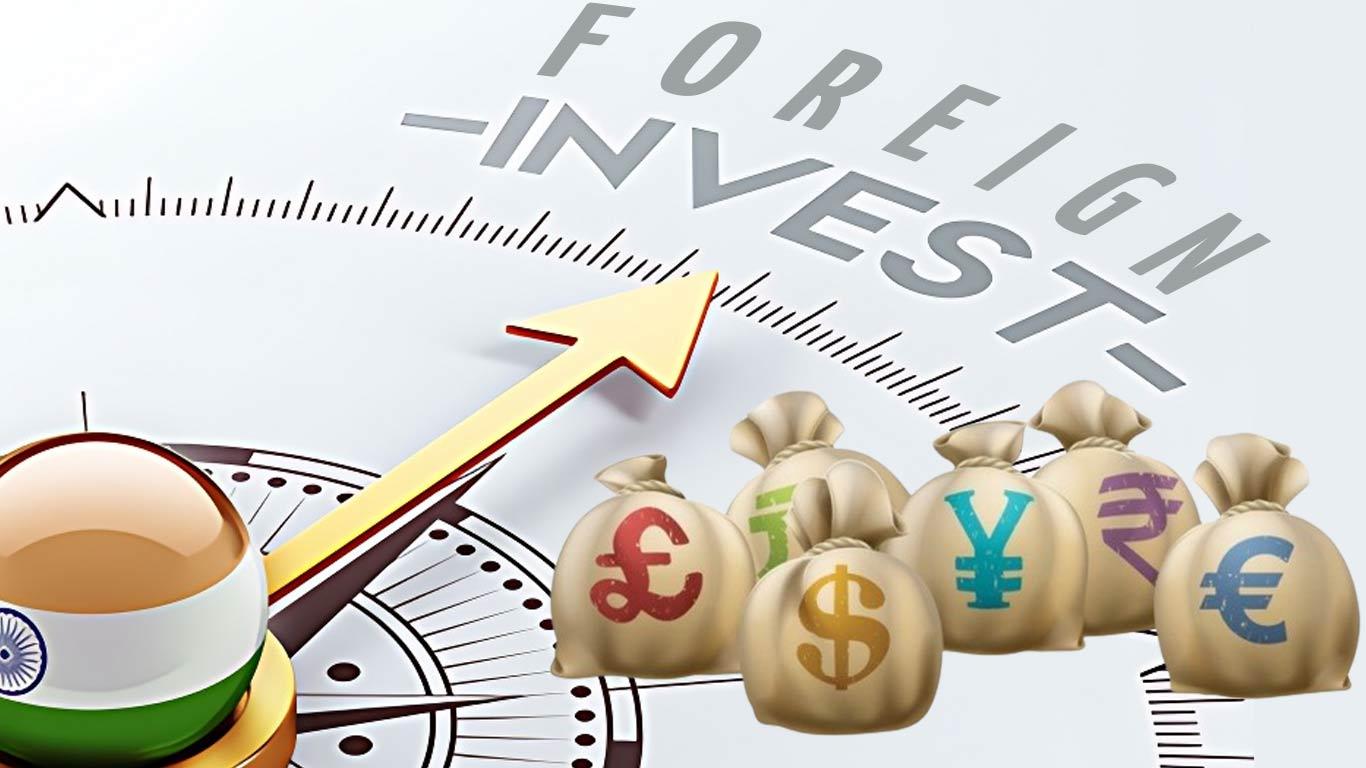
In recent years,the landscape of U.S. real estate has undergone a remarkable transformation, largely fueled by a surge in foreign investment. From luxury high-rises in metropolitan hubs to sprawling residential developments in suburban areas, the influx of international capital has reshaped the way we buy, sell, and experiance property across the nation. As global investors turn their eyes toward the American market, they bring with them not just financial resources but also diverse perspectives and innovative approaches to real estate development. This article delves into the dynamics of foreign investment in U.S. real estate, exploring its implications for local economies, community development, and market trends.Whether you are a seasoned investor or simply curious about the evolving real estate landscape, join us as we unravel how foreign investment is not just changing the game, but redefining the very essence of American real estate.
Table of Contents
- the Rise of Foreign Investment in U.S. Real Estate Markets
- Key Regions Benefiting from International Capital Influx
- Navigating Regulatory Challenges and Compliance for foreign Investors
- Strategies for Maximizing Returns in a Competitive Landscape
- In Retrospect
The Rise of Foreign Investment in U.S. Real Estate Markets
In recent years, U.S. real estate markets have witnessed a significant surge in foreign investment, reshaping the landscape of property ownership across the nation. This trend has been fueled by various factors,including the stability of the U.S. economy, favorable exchange rates, and the enduring appeal of American real estate as a safe haven for investment. Foreign investors—from individuals purchasing single-family homes to large corporations acquiring commercial properties—are penetrating markets in unprecedented ways, leading to heightened competition and rising property values. Cities like New York, Los Angeles, and Miami have become hotspots for international buyers, adding a new layer of dynamism to the local economies.
This influx of foreign capital has not only transformed the competitive habitat but has also brought diverse investment strategies into play. Investors are increasingly focused on mixed-use developments, which blend residential and commercial spaces, allowing for greater community integration and maximizing land use. Additionally, foreign investment is driving innovation in property management and development practices, with investors demanding higher standards and sustainability initiatives. The following table highlights the top five countries investing in U.S. real estate and their investment focus:
| Country | Investment Focus |
|---|---|
| Canada | Residential & Commercial Properties |
| China | Luxury Real Estate |
| Mexico | Residential Developments |
| Germany | commercial Real Estate |
| Singapore | Industrial Properties |
Key Regions Benefiting from International Capital Influx
In recent years, certain regions across the United States have become prime targets for foreign investors, resulting in substantial transformations in the real estate landscape. Cities such as New York, Los Angeles, and Miami have consistently ranked high on the list of desirable destinations for international capital. These urban hubs offer a combination of economic possibility, cultural vibrancy, and quality of life, making them especially appealing. The influx of foreign capital has led to the development of luxury condominiums,commercial spaces,and revitalized neighborhoods,later boosting local economies and job markets.
Moreover, emerging cities like Austin, San Francisco, and seattle are also witnessing significant investments as foreign entities recognize their burgeoning tech industries and innovative ecosystems. The impact of this investment is evident in the expansion of high-tech offices and affordable housing projects that cater to an increasingly diverse population. As a result, these regions are experiencing not only enhanced real estate values but also an uptick in infrastructure development, which stimulates further foreign interest. The continuous expansion of international partnerships is poised to reshape the urban fabric of these cities, ensuring their competitiveness on a global scale.
Navigating Regulatory Challenges and Compliance for Foreign Investors
Investing in U.S. real estate presents foreign investors with a plethora of opportunities, but navigating the regulatory landscape can be challenging. Each state has its own set of laws governing property acquisition and leasing, which can vary significantly in terms of compliance requirements. To effectively engage in the market, foreign investors must consider the following critical factors:
- Legal Structure: Choosing the right legal entity (LLC, corporation, partnership) can provide tax efficiencies and liability protection.
- Regulatory Compliance: Familiarity with local, state, and federal regulations is essential, including zoning laws and property taxes.
- Financing Regulations: Understanding restrictions on foreign financing and how they impact investment strategies is vital.
Moreover, the due diligence process is paramount, as foreign investors must be vigilant about the potential for fraud, especially in high-demand areas. Engaging local legal and financial experts can mitigate risks and ensure compliance with complex regulations. Consider the following potential compliance challenges:
| Challenge | Implication |
|---|---|
| Property Ownership Laws | Possibility of restrictions on foreign ownership, varying by state. |
| Tax Obligations | Foreign investors may face higher tax rates or additional filings. |
| Report Requirements | Regulatory bodies often require disclosure of ownership structures. |
Strategies for Maximizing returns in a Competitive Landscape
In a landscape crowded with domestic and international players, savvy investors must adopt innovative methodologies to stand out and enhance profitability. Diversification, both in property types and geographic areas, serves as a robust strategy to mitigate risk while capturing various market segments. by allocating resources into multifamily units,commercial properties,and distressed assets,investors can leverage the strengths of each sector. Additionally, strategic partnerships with local real estate firms can provide invaluable insights into market dynamics, tenant preferences, and neighborhood trends, enabling foreign investors to navigate one of the most intricate real estate markets in the world.
Furthermore,embracing cutting-edge technology can significantly improve operational efficiency and investment analysis. Utilizing advanced analytics tools not only aids in identifying high-potential developments but also streamlines the management process to boost occupancy rates and tenant satisfaction. Leveraging sustainability initiatives is another effective approach, as increasingly eco-conscious consumers are drawn to green buildings.This creates a competitive edge, allowing investors to command higher rents and enjoy reduced operational costs in the long run. these multifaceted strategies can pave the way for a prosperous investment journey, making the most of the flourishing U.S. real estate sector.
In Retrospect
the influx of foreign investment into the U.S. real estate market is reshaping the landscape in remarkable ways. As international buyers bring capital, diversify property portfolios, and stimulate local economies, they also elevate competition and innovation within the sector. This dynamic evolution offers opportunities for growth, profitability, and global connectivity, all while presenting unique challenges that necessitate careful navigation.
For stakeholders—from policymakers to buyers and investors—understanding the implications of foreign capital in real estate is crucial. as we look forward, it’s clear that this trend will continue to play a significant role in defining the future of U.S. property markets.
Whether you’re an investor seeking to capitalize on these shifts, a homeowner curious about market dynamics, or simply someone interested in the broader economic landscape, staying informed about foreign investment trends will empower you to make educated decisions in an increasingly interconnected world.
Thank you for joining us on this exploration; we hope it has provided valuable insights into how foreign investment is not only transforming U.S. real estate but also shaping the economic narrative of our time. Keep watching this space for more insights and developments in the dynamic world of real estate!