

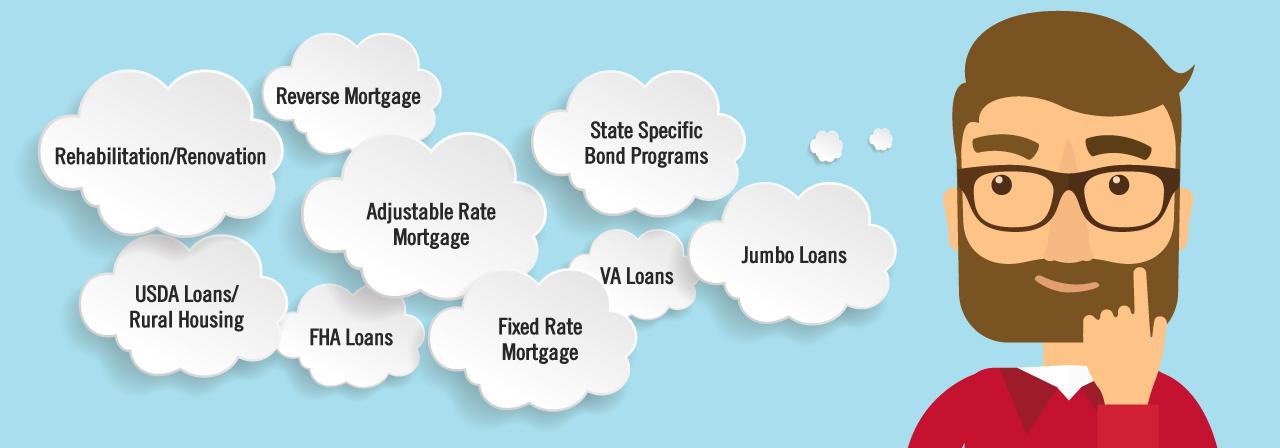
Navigating the complex landscape of home financing is a critical step for prospective homebuyers, frequently enough fraught with challenges and decisions that can shape one’s financial future. With a plethora of mortgage options available in today’s market, understanding the nuances of each can be the difference between securing a favorable deal or feeling overwhelmed by uncertainty. this thorough guide is designed to demystify the various types of mortgages, elucidate key terms, and provide insights into the current lending habitat. Whether you are a first-time buyer or looking to refinance an existing loan, our goal is to equip you with the knowledge and tools necessary to make informed, confident decisions. Join us as we explore the essential components of mortgage financing and pave the way for informed homeownership.
Table of Contents
- Understanding Different Mortgage Types and Their Benefits
- Evaluating Interest Rates: Fixed vs. Adjustable Mortgages
- The Role of Credit Scores in Securing Favorable Mortgage Terms
- Strategizing Your down Payment: Options and impact on Monthly Payments
- Concluding Remarks
understanding Different Mortgage Types and their Benefits
When diving into mortgage options, it’s essential to understand the variety of types available, each tailored to meet different financial needs and preferences. Fixed-rate mortgages are one of the most popular choices, providing borrowers with a consistent interest rate over the life of the loan. This stability allows homeowners to budget more effectively as their monthly payments remain unchanged, regardless of market fluctuations. Conversely, adjustable-rate mortgages (ARMs) start with lower initial rates that adjust periodically, potentially offering meaningful savings if interest rates remain favorable. however,it’s crucial for borrowers to be aware of the risks associated with ARMs,including the potential for rising payments if rates increase.Another option to consider is the Federal Housing Management (FHA) loans, which are designed to support first-time homebuyers or those with lower credit scores. These loans typically require a lower down payment, making homeownership more accessible. Conversely, Veterans Affairs (VA) loans provide astounding benefits for eligible veterans and active-duty service members, such as no down payment and no private mortgage insurance (PMI) requirement. Below is a comparison table showcasing key differences among these mortgage types:
| Mortgage Type | Interest Rate | Down Payment | Eligibility |
|---|---|---|---|
| Fixed-Rate | Consistent | Varies (typically 20%) | General |
| Adjustable-Rate | Variable initially | Varies (often lower) | General |
| FHA | Consistent | As low as 3.5% | Low to moderate income |
| VA | consistent | No down payment | Veterans & active military |
Evaluating Interest Rates: Fixed vs. Adjustable Mortgages
When considering mortgage options, understanding the difference between fixed and adjustable interest rates is crucial for potential homebuyers. Fixed-rate mortgages offer stability,with interest rates that remain constant throughout the loan term,typically ranging from 15 to 30 years. This predictability allows homeowners to budget effectively,as their monthly payments will never fluctuate. on the other hand, adjustable-rate mortgages (ARMs) feature interest rates that can change after an initial fixed period, often leading to lower initial payments. While this can make ARMs appealing at first, buyers should be prepared for possible increases in their monthly payments down the line.
To assist in your decision-making process, here’s a quick comparison of the two mortgage types:
| Feature | Fixed-Rate Mortgage | Adjustable-Rate Mortgage |
|---|---|---|
| Interest Rate | Constant | variable |
| Monthly Payments | Stable | Initially lower, may increase |
| Term Length | 15-30 years | Typically 5-10 years before adjustment |
| Risk | Low | Higher due to rate fluctuations |
Moreover, understanding the potential impacts of market trends on adjustable-rate mortgages is vital. Homebuyers should analyze their risk tolerance, financial stability, and long-term plans when choosing between these options.In environments where interest rates are projected to rise, opting for a fixed-rate mortgage can provide peace of mind. Conversely,if rates are expected to remain stable or decline,an adjustable-rate coudl yield significant savings in the early years of the mortgage. Consider consulting with a financial advisor to navigate these choices effectively.
The Role of Credit Scores in securing Favorable Mortgage Terms
A strong credit score plays a pivotal role in determining the mortgage terms that lenders are willing to offer.A higher credit score typically translates to lower *interest rates*, which can significantly impact your monthly payments and the overall cost of your home loan. Lenders use credit scores to gauge the risk associated with lending to a borrower; the better the score, the more favorable the terms. Here are some key factors related to credit scores that homebuyers should consider:
- Interest Rates: Borrowers with high credit scores often receive significantly lower interest rates.
- loan Amounts: Higher credit scores can also increase eligibility for larger loan amounts.
- down Payment Requirements: Those with excellent credit may benefit from lower down payment options.
Understanding how your credit score influences your mortgage options can help you strategize for a triumphant loan application. Taking proactive steps to improve your credit, such as paying bills on time and reducing outstanding debts, can yield substantial financial benefits when it comes time to secure your mortgage. Below is a simple overview of how credit score ranges correlate with potential mortgage terms:
| Credit Score range | Typical Interest Rate | Recommended Down Payment |
|---|---|---|
| 300 – 579 | 7%+ | 20%+ |
| 580 – 669 | 5% – 7% | 10% – 15% |
| 670 – 739 | 4% – 5% | 5% – 10% |
| 740 and above | 3% – 4% | 3% – 5% |
Strategizing Your Down Payment: Options and impact on Monthly Payments
When considering a down payment for your home, it’s crucial to understand the variety of options available and how your choice impacts your financial future. Customary wisdom often suggests targeting a 20% down payment to avoid private mortgage insurance (PMI), but this isn’t the only pathway. Many lenders offer programs that allow down payments as low as 3% to 5%, enabling more first-time buyers to enter the market sooner.Each choice affects not only your upfront costs but also your overall mortgage balance,which directly influences your monthly payments. Here are a few options to consider:
- Conventional Loans: Generally require higher down payments but offer better terms for those who can afford them.
- FHA Loans: Popular for first-time buyers,these allow lower down payments,tho they come with higher insurance costs.
- VA Loans: For veterans, these often require no down payment, providing significant savings upfront.
To give a clearer idea of how different down payment amounts can affect monthly payments,consider the following simplified example:
| Down Payment (%) | Home Price ($250,000) | Loan Amount ($) | Estimated Monthly Payment ($) |
|---|---|---|---|
| 3% | $250,000 | $242,500 | $1,200 |
| 10% | $250,000 | $225,000 | $1,100 |
| 20% | $250,000 | $200,000 | $950 |
As illustrated,a smaller down payment leads to a higher loan amount and,consequently,a greater monthly payment. However, it also means less cash is tied up initially, which can be beneficial for investment or urgent financial needs.Ultimately, the decision should align with your financial goals, current market conditions, and personal circumstances.
Concluding Remarks
navigating the complex world of mortgage options can be a daunting task for homebuyers, but with the right details and guidance, it becomes a manageable and empowering process. This comprehensive guide has illuminated the various types of mortgages available,their respective advantages and disadvantages,and the critical factors to consider when making your decision.
As you embark on this significant investment journey, remember that thorough research, careful planning, and a clear understanding of your financial situation are paramount.We encourage you to consult with mortgage professionals and financial advisors to tailor a plan that best suits your individual needs.
By approaching your mortgage options with diligence and foresight, you position yourself not only to secure the best possible terms but also to achieve the long-term stability and satisfaction of homeownership. Thank you for exploring these essential insights with us, and we wish you success in your home-buying endeavor.