

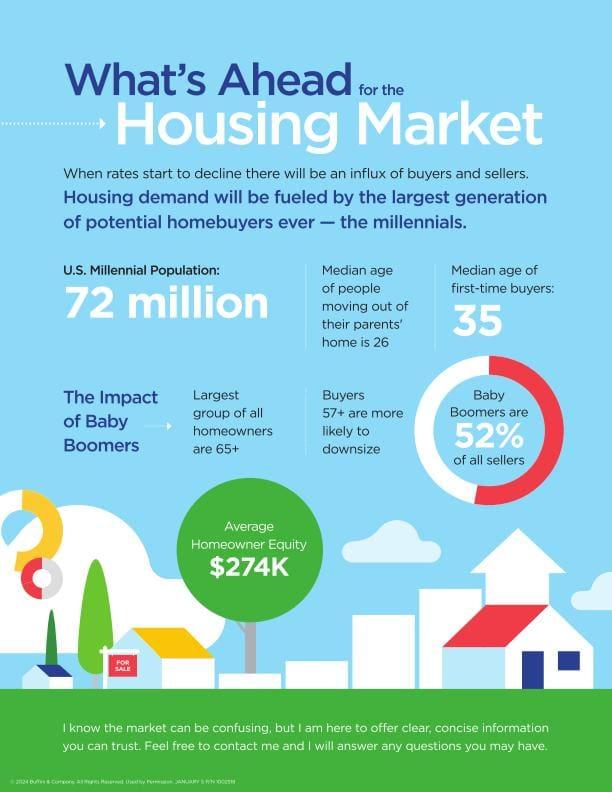
Introduction:
As we step into 2024, the real estate market is poised for a dynamic transformation shaped by evolving economic landscapes, shifting consumer preferences, and technological advancements. Understanding these trends is crucial for investors, developers, and stakeholders seeking to navigate the complexities of the market and identify strategic growth opportunities. In this article, we will delve into the key factors influencing the real estate sector this year, including interest rate fluctuations, demographic shifts, and the rise of lasting living practices. By analyzing these trends, we aim to equip industry professionals with the insights needed to make informed decisions that align with emerging market realities. Whether you are an established player or a newcomer in the field, grasping the nuances of the 2024 real estate landscape will be essential for driving success and capitalizing on opportunities amidst changing tides.
Table of Contents
- Understanding Key Economic Indicators Impacting 2024 real Estate Growth
- Identifying Emerging Neighborhoods for Strategic Investment Opportunities
- Evaluating Demand Shifts and Buyer Preferences in the current Market Landscape
- Implementing Best Practices for Risk Management and Sustainable Development in Real Estate Operations
- Wrapping Up
Understanding Key Economic Indicators Impacting 2024 Real Estate Growth
As we look toward 2024, several economic indicators will play a pivotal role in shaping the real estate landscape. Foremost among these is interest rates, which have a direct impact on mortgage affordability. when rates are low, potential buyers are encouraged to enter the market, often leading to increased demand for homes. conversely, rising rates may suppress buyer enthusiasm, prompting a cautious approach from investors.Additionally, monitoring employment rates is critical; a robust job market heightens consumer confidence and translates to higher purchasing power, thus fueling real estate growth.
Another vital indicator is the consumer price index (CPI), which reflects the inflationary pressures affecting the economy. an increase in CPI can lead to higher costs for construction materials, directly influencing housing prices and the availability of affordable options. Furthermore, housing starts and building permits serve as leading indicators of future supply, providing insights into developers’ confidence levels. In this very way, understanding these metrics is essential for stakeholders aiming to navigate the evolving market landscape effectively. paying close attention to these key economic indicators will help real estate professionals make informed and strategic decisions in 2024.
| Economic Indicator | Impact on Real Estate |
|---|---|
| Interest Rates | Influence mortgage affordability and buyer demand |
| Employment Rates | Affect consumer confidence and purchasing power |
| Consumer price Index (CPI) | Indicates inflation, impacting construction costs |
| Housing Starts | Predict future supply and developer confidence |
Identifying Emerging Neighborhoods for Strategic Investment Opportunities
In the ever-evolving real estate landscape, pinpointing neighborhoods poised for growth requires a keen understanding of various dynamics. Investors should monitor economic indicators, such as job creation rates and population growth, which serve as key barometers of a location’s attractiveness. Additionally, infrastructure development, including new transportation links and urban amenities, plays a crucial role in enhancing property values. The convergence of these factors often indicates an area ripe for strategic investment.
To effectively identify these emerging neighborhoods,it is essential to assess several characteristics:
- Demographic Trends: Analyze shifts in age,income,and family structure.
- Market Activity: Monitor home sales,rental prices,and vacancy rates.
- Community Initiatives: Evaluate local programs aimed at revitalization and support for small businesses.
- Comparative Pricing: Compare current property prices with neighboring established areas.
Utilizing a targeted approach, one can effectively create a table of neighborhoods to watch:
| Neighborhood | Average property value | Projected Yearly Growth |
|---|---|---|
| eastside District | $350,000 | 12% |
| Riverside Park | $400,000 | 9% |
| Sunset Heights | $275,000 | 15% |
Evaluating Demand Shifts and Buyer Preferences in the Current Market Landscape
In the ever-evolving real estate market of 2024, understanding buyer preferences is paramount for investors and developers aiming for strategic growth. Recent data indicates a significant shift towards sustainable living, with many buyers prioritizing eco-kind features and energy-efficient designs. Additionally, buyers are increasingly drawn to urban locales with vibrant, walkable communities. This trend reflects a broader societal shift towards convenience and lifestyle prioritization, emphasizing the importance of proximity to public transportation, entertainment, and essential services. Key characteristics buyers are looking for include:
- Green building materials
- Smart home technology
- Access to outdoor spaces
- Community-based amenities
Moreover, the demographic landscape is shifting as Millennials and Gen Z enter the market with distinct preferences that differ from previous generations. These younger buyers are more inclined to favor affordable housing options that provide versatility, such as co-living spaces or townhouses. An analysis of current real estate listings indicates that properties featuring a blend of modern amenities and community-centric features are witnessing higher demand. The following table summarizes the most sought-after property features among today’s buyers:
| Property Feature | Buyer Interest Level |
|---|---|
| Sustainable Design | High |
| Smart Home Devices | Medium |
| Outdoor Living Spaces | High |
| Proximity to Transit | very High |
Implementing Best Practices for Risk Management and Sustainable Development in Real Estate Operations
to effectively navigate the complexities of the real estate market in 2024,integrating risk management with sustainable practices is paramount. Organizations must prioritize risk assessment frameworks that not only identify potential hazards but also align with sustainability goals. Key practices include:
- Comprehensive Market Analysis: Regularly reviewing market trends to anticipate threats.
- Stakeholder Engagement: Involving community and environmental stakeholders in decision-making processes.
- sustainable Design Principles: Implementing eco-friendly building practices and technologies that reduce environmental impact.
Moreover, leveraging technology can enhance both risk management and sustainability efforts. Utilizing data analytics allows for real-time monitoring of project performance and market fluctuations. Establishing a proactive response strategy can definitely help mitigate risks associated with:
- Market Volatility: Anticipating economic shifts that could affect property values.
- Regulatory Compliance: Staying abreast of local and national legislation regarding sustainable practices.
- climate Change Impacts: Preparing properties for extreme weather conditions thru resilient design.
Wrapping Up
understanding the evolving landscape of the 2024 real estate market is paramount for professionals aiming to capitalize on strategic growth opportunities. As we dissect the emerging trends—ranging from shifts in buyer demographics to advances in technology and changing economic indicators—it’s clear that adaptability and foresight will be key drivers of success. By staying informed and agile, real estate stakeholders can make data-driven decisions that not only mitigate risks but also enhance their competitive edge in this dynamic environment. As we move forward, continuous analysis and strategic planning will remain essential. Embrace these insights to navigate the complexities of the market and position your business for sustainable growth in the year ahead.