

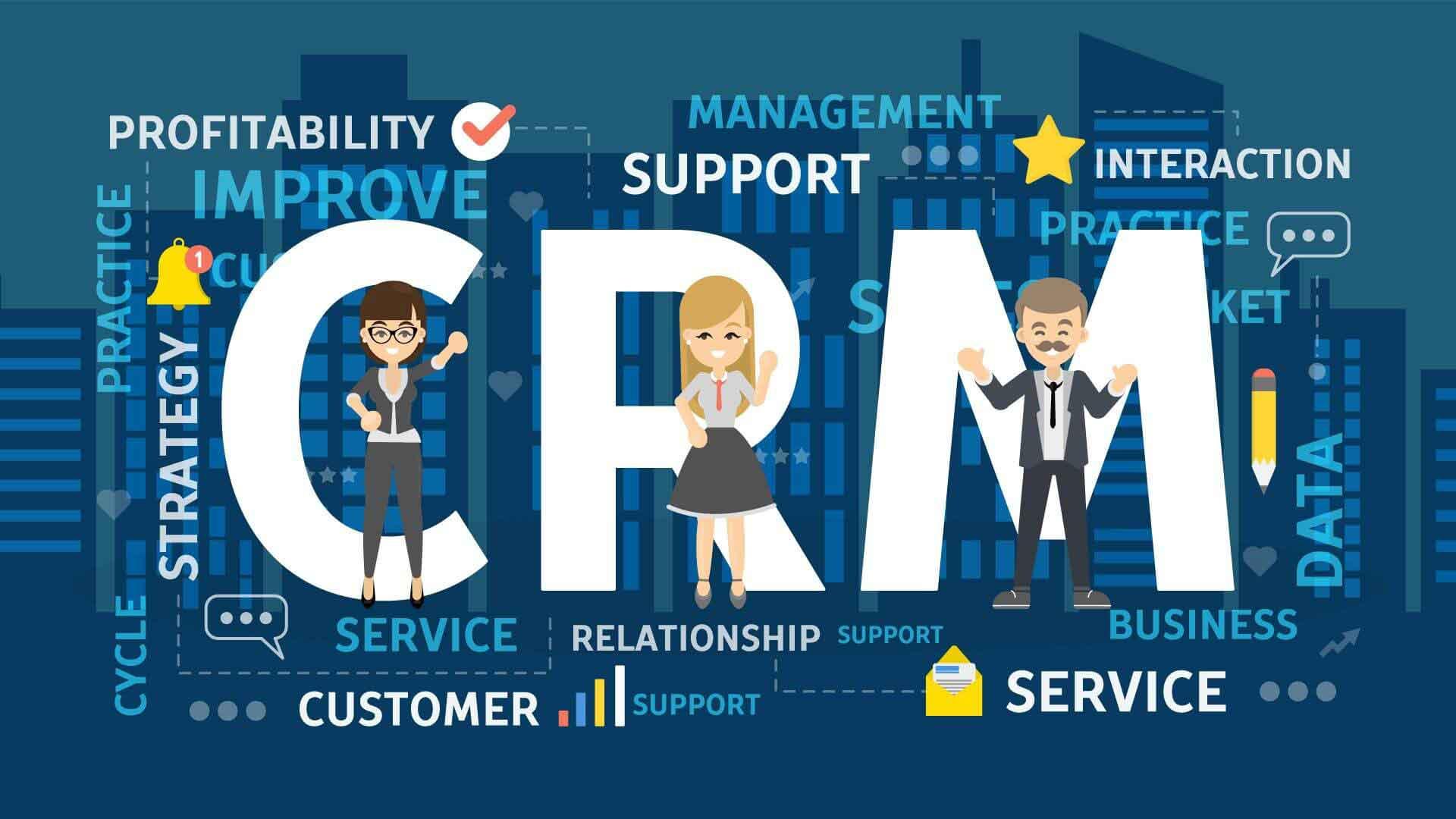
In today’s competitive real estate market, the difference between merely surviving and truly thriving often hinges on the effectiveness of customer relationship management (CRM) strategies. As agents and agencies grapple with evolving client expectations and the accelerated pace of technology, the ability to forge and maintain strong relationships becomes increasingly paramount. This article delves into the critical role that CRM plays in enhancing real estate success, exploring best practices and innovative approaches that empower professionals to not only streamline their operations but also cultivate lasting connections with clients. By leveraging effective CRM strategies, real estate professionals can gain a significant edge, ensuring they not only meet, but exceed the expectations of an ever-demanding market. Join us as we uncover the essential elements of a robust CRM framework tailored specifically for the real estate industry, setting the stage for sustainable growth and exceptional client satisfaction.
Table of Contents
- Understanding the Role of CRM in Real Estate Management
- Leveraging Data Analytics for Targeted Marketing Campaigns
- Enhancing Client Relationships through Personalized Communication
- Streamlining Operations with Integrated CRM Solutions
- Closing Remarks
Understanding the Role of CRM in Real Estate Management
In the fast-paced world of real estate, managing relationships with clients, leads, and partners is paramount to success. Customer Relationship Management (CRM) systems serve as the backbone of effective communication and organization in this industry. These platforms empower real estate professionals to capture and analyze valuable data, which can lead to more personalized interactions and improved service offerings. By consolidating contact information, tracking interactions, and automating follow-ups, CRMs enable agents to nurture leads throughout the buying or selling processes, ensuring no opportunity is overlooked. Additionally, a well-implemented CRM can help in identifying trends and insights, paving the way for targeted marketing strategies.
Moreover, the integration of CRM systems with other tools and technology enhances operational efficiency. Real estate businesses can streamline internal processes through features such as lead scoring, task management, and sales forecasting. The collaboration within teams is improved as they share updates and client information seamlessly. Here are some key benefits of using CRM in real estate management:
- Enhanced Communication: Facilitates regular interaction with clients and prospects.
- Data-Driven Insights: Analyzes market trends and client preferences for better decision-making.
- Improved Client Retention: Fosters loyalty through personalized experiences.
- Increased Productivity: Automates repetitive tasks and frees up time for relationship building.
Leveraging Data Analytics for Targeted Marketing Campaigns
In the modern real estate landscape, the ability to analyze and interpret data is pivotal for crafting targeted marketing campaigns that resonate with potential buyers or sellers. By utilizing customer relationship management (CRM) software integrated with advanced data analytics tools, real estate professionals can uncover valuable insights into client preferences, demographic trends, and behavioral patterns. This data-driven approach enables marketers to create customized advertising strategies that not only reach the right audience but also deliver messages that speak directly to their needs.
For instance, leveraging data analytics allows for segmentation of client databases into distinct groups based on criteria such as location, budget range, and property type interest. Here’s a glimpse of how such segmentation can be structured:
| Segment | Characteristics | Targeted Content |
|---|---|---|
| First-Time Homebuyers | Young professionals, limited budget | Educational resources, low-cost options |
| Luxury Buyers | High-income, interested in exclusivity | Premium listings, high-end services |
| Investors | Seeking rental properties, ROI focus | Market analysis, investment opportunities |
By tailoring marketing efforts to these specific segments, companies can enhance engagement rates and overall campaign effectiveness. Furthermore, ongoing analysis of campaign performance through analytics tools enables continuous improvement and adaptation, ensuring that marketing strategies remain relevant and impactful in an ever-evolving marketplace.
Enhancing Client Relationships through Personalized Communication
In the competitive landscape of real estate, fostering strong client relationships is paramount to success. Personalized communication serves as a cornerstone for building trust and rapport with clients. By utilizing customer relationship management (CRM) systems, agents can track client interactions and preferences, allowing them to tailor their outreach efforts effectively. Leveraging data analytics, agents can segment their audience to provide relevant content and suggestions that resonate with individual needs, creating a more engaging experience. Key strategies include:
- Customized Emails: Crafting messages based on client history and preferences.
- Personal Touch: Incorporating names and personal milestones into communication.
- Timely Follow-ups: Reaching out on significant dates such as anniversaries of transactions.
Moreover, personalizing communication goes beyond just using names; it’s about recognizing unique client journeys. Real estate professionals should actively solicit feedback and encourage open dialogues to understand client aspirations and concerns better. Establishing a structured communication cadence facilitates continuous engagement, ensuring clients feel valued and heard. The following table summarizes essential personalization tactics:
| Personalization Tactic | Description |
|---|---|
| Client Birthday Recognition | Sending personalized wishes or gifts on birthdays. |
| Post-Transaction Check-ins | Following up with clients after closing to assess satisfaction. |
| Content Personalization | Delivering segregated listings based on client preferences. |
Streamlining Operations with Integrated CRM Solutions
In today’s fast-paced real estate market, the integration of Customer Relationship Management (CRM) solutions plays a pivotal role in optimizing business operations. By unifying various tools and processes, these systems enable real estate professionals to manage client interactions, track leads, and automate repetitive tasks efficiently. This consolidation not only enhances productivity but also provides a holistic view of client relationships, empowering agents to make informed decisions that drive growth. Key benefits of integrating CRM systems include:
- Improved Communication: Centralized client information allows for proactive communication and timely follow-ups.
- Data-Driven Insights: Access to analytics and reports helps in understanding market trends and client preferences.
- Increased Collaboration: Teams can work together seamlessly, sharing valuable information and resources.
- Enhanced Customer Experience: Personalized services lead to higher client satisfaction and loyalty.
To illustrate the effectiveness of integrated CRM solutions in real estate, consider the following comparison of traditional vs. integrated approaches:
| Aspect | Traditional Approach | Integrated CRM Approach |
|---|---|---|
| Lead Management | Manual tracking through spreadsheets | Automated tracking and nurturing of leads |
| Client Interaction | Delayed responses and follow-ups | Instant alerts and reminders for timely engagement |
| Reporting | Time-consuming manual reports | Real-time analytics and dashboards |
By leveraging an integrated CRM, real estate businesses can not only enhance their operational efficiency but also foster long-lasting relationships with clients, ultimately paving the way for sustained success in a competitive landscape.
Closing Remarks
the integration of effective CRM strategies into your real estate business can serve as a powerful catalyst for success. By leveraging technology to streamline operations, enhance customer interactions, and gain valuable insights into market trends, real estate professionals can not only improve client satisfaction but also drive sustainable growth. As the industry continues to evolve, those who prioritize a data-driven and customer-centric approach will find themselves better positioned to meet the demands of an increasingly competitive landscape. Embrace the potential of CRM solutions to transform your operational capabilities, foster lasting relationships, and ultimately, achieve greater levels of success in the real estate market. The journey towards excellence in real estate begins with a strategic commitment to effective customer relationship management—take the first step today.