

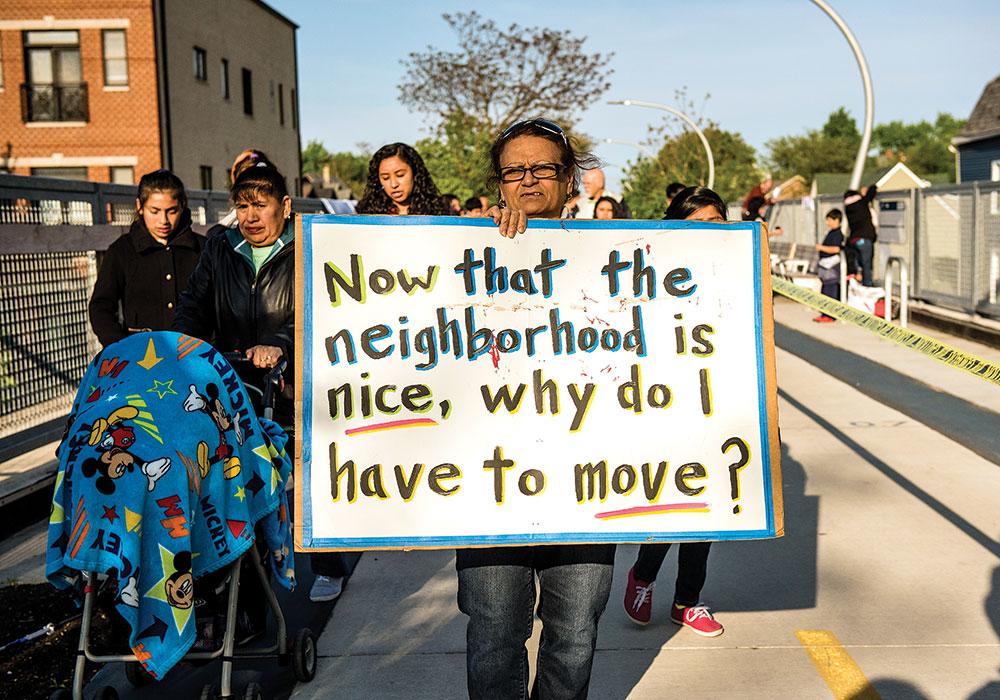
In recent years, urban landscapes across the globe have undergone important transformations, driven by the complex phenomenon of gentrification. As neighborhoods evolve from once modest enclaves into vibrant hubs of economic activity and cultural appeal, the consequences ripple through local communities and real estate markets alike. This article delves into the profound effects of gentrification on real estate, examining how rising property values and changes in demographic composition are reshaping both the physical environment and the socio-economic fabric of urban areas.By analyzing both the potential benefits and the challenges posed by gentrification, we seek to provide a comprehensive understanding of its implications for homeowners, renters, and urban planners alike. As cities continue to grow and adapt, it becomes crucial to scrutinize the forces at play and their lasting impact on the real estate landscape.
Table of Contents
- Understanding the Economic Drivers Behind Gentrification
- assessing the Social Impacts on Communities and Local Culture
- Analyzing the Shifts in Real Estate Market Dynamics
- Strategic Recommendations for Sustainable urban Development
- In Conclusion
Understanding the Economic Drivers Behind Gentrification
The phenomenon of gentrification is intricately intertwined with various economic factors that drive changes in urban neighborhoods. Understanding these drivers is crucial for grasping the broader implications of gentrification. Key aspects include:
- Real estate investment: Investors are frequently enough drawn to transitioning neighborhoods due to lower property prices, expecting significant returns as the area becomes more desirable.
- Rising property values: As demand increases, property values tend to soar, attracting affluent buyers and pushing long-time residents out.
- Urban revitalization initiatives: Local governments may implement programs aimed at improving infrastructure, which often inadvertently accelerates gentrification.
Moreover, gentrification is fueled by demographic changes and preferences, contributing to its complexity.noteworthy contributors include:
- Millennial migration: Young professionals are migrating to urban areas seeking vibrant lifestyles, leading to increased competition for housing.
- Shift in employment patterns: The rise of tech and service industries in urban centers reshapes labor demands, attracting high-income workers.
- Cultural capital: Creative individuals and businesses drawn to urban centers enhance neighborhood appeal, further escalating demand for housing.
| Economic Driver | Impact on Gentrification |
|---|---|
| Real Estate Investment | Increased property prices due to demand |
| Urban Revitalization | Infrastructure improvements attract new residents |
| Demographic Shifts | Increased competition for available housing |
Assessing the Social Impacts on Communities and Local Culture
The phenomenon of gentrification has precipitated significant changes in urban landscapes, often leading to a shift in the social fabric of communities. As wealthier residents move into previously disadvantaged neighborhoods,the dynamics of local engagement and communal identity can become strained. Long-standing residents may feel marginalized or displaced, leading to a deterioration of communal ties that have historically defined these spaces. Factors contributing to this shift often include:
- Increased housing Costs: The rise in property values typically forces original inhabitants out of their homes.
- Changing Local Businesses: The influx of new residents frequently enough results in the replacement of local shops with upscale boutiques and national chains.
- Cultural Erosion: The clash of new and old lifestyles can diminish local traditions, arts, and community events.
In assessing the effects of gentrification on local culture, it is crucial to consider the nuanced relationship between economic development and social equity. Many communities experience a loss of agency, as incoming populations may not prioritize or recognise the cultural importance of long-standing institutions. Local knowledge and traditions can be undervalued, further alienating established residents. Below is a table outlining the perceived benefits and drawbacks experienced by communities affected by gentrification:
| Benefits | Drawbacks |
|---|---|
| Improved infrastructure and amenities | Displacement of low-income residents |
| Increased property values | Cultural homogenization |
| Job creation in new businesses | Loss of local business diversity |
Analyzing the Shifts in Real Estate Market Dynamics
The real estate landscape is witnessing seismic shifts fueled by gentrification, which continues to reshape urban neighborhoods. This phenomenon has sparked a surge in property values, significantly impacting both investors and long-term residents. As affluent populations move into historically under-resourced areas, the demand for housing skyrockets, leading to a trend of luxury developments and renovated spaces. The increased investment has frequently enough resulted in improved infrastructure, more vibrant local businesses, and a revitalized community atmosphere, yet it simultaneously raises profound concerns about displacement and social equity.
To fully grasp the implications of these changes, it’s essential to analyze key factors contributing to this trend.The following points highlight the most significant aspects of gentrification’s impact on the real estate market:
- Rising Property Prices: Neighborhoods that were once considered affordable are now becoming hotspots for real estate investment.
- Shift in Demographics: Changes in population makeup can lead to cultural clashes and tensions within communities.
- Investment Opportunities: Investors are increasingly attracted to emerging neighborhoods, aiming to capitalize on potential returns.
- Regulatory Changes: Local governments may alter zoning laws to accommodate new developments, affecting the ancient character of communities.
while gentrification may lead to enhanced urban landscapes, it is indeed crucial to tackle the related socio-economic challenges. Below is a concise comparison table illustrating the contrasting impacts of gentrification on real estate:
| Positive Impacts | Negative Impacts |
|---|---|
| Increased property values | Displacement of long-term residents |
| Enhanced local amenities | Loss of cultural identity |
| Stimulated economic growth | Increased cost of living |
| Greater investment opportunities | Shortage of affordable housing |
Strategic Recommendations for Sustainable Urban Development
To foster sustainable urban development amidst the challenges posed by gentrification, it is indeed essential for city planners and policymakers to adopt a holistic approach that prioritizes inclusivity and resilience. This involves:
- Community Engagement: Actively involving local residents in the decision-making process ensures that developments meet the actual needs of the community.
- Affordable Housing Initiatives: Encouraging the creation of affordable housing through subsidies and incentives for developers can help maintain demographic diversity.
- Mixed-Use Developments: Promoting spaces that combine residential,commercial,and recreational facilities can enhance local economies while reducing urban sprawl.
Furthermore, investing in sustainable infrastructure and green spaces is vital for enhancing urban resilience. This can include:
- Public transportation: Expanding public transit systems reduces reliance on automobiles and can lower the cost of living by improving accessibility.
- Green Building Practices: Implementing eco-friendly construction techniques and materials contributes to long-term sustainability and energy efficiency.
- Community Green Spaces: Developing parks and recreational areas fosters community interaction and improves the quality of life for residents.
to sum up
the implications of gentrification on real estate extend far beyond mere property prices and investment opportunities. As neighborhoods undergo transformation,the ripple effects can reshape communities,displace long-standing residents,and redefine social dynamics. Stakeholders—including policymakers, urban planners, and community advocates—must engage in thoughtful dialog and strategic planning to balance development with inclusivity. By fostering an environment that honors the rich history and diversity of our urban landscapes, we can work towards a future where the benefits of revitalization are shared equitably. It is essential to continue this conversation, as the choices made today will undoubtedly influence the character and viability of our cities for generations to come.