

Introduction:
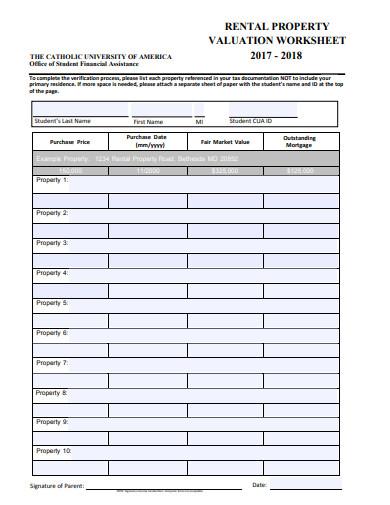
In today’s dynamic real estate landscape, evaluating rental property performance is a critical imperative for investors, property managers, and stakeholders seeking to maximize returns and ensure sustainable growth. With the increasing complexities of the rental market—marked by fluctuating demand, evolving tenant expectations, and shifting regulatory frameworks—an informed and systematic approach to performance assessment has become essential. This comprehensive guide aims to equip readers with the necessary tools and methodologies to effectively analyze the viability of rental properties. From key performance indicators to financial metrics, we will explore the multifaceted dimensions of property evaluation, empowering decision-makers to navigate potential pitfalls and capitalize on lucrative opportunities in the competitive rental market. Whether you are a seasoned investor or a newcomer to the realm of real estate,understanding how to measure performance systematically will be pivotal in achieving your investment objectives.
Table of Contents
- Evaluating Key Financial Metrics for Rental Properties
- Understanding Property Cash Flow and Return on Investment
- Assessing Market Trends and Their Impact on Rental Performance
- Implementing Effective Property Management strategies for Optimal Results
- To Wrap It Up
Evaluating Key Financial Metrics for Rental Properties
Understanding the financial performance of your rental property requires a careful evaluation of several key metrics. these indicators provide a clear picture of profitability and can definitely help you make informed decisions regarding your investment.Among the most notable metrics are:
- Net Operating Income (NOI): This figure is calculated by subtracting all operating expenses from total rental income. A positive NOI suggests the property is generating a healthy revenue stream.
- Cash-on-Cash Return: This metric measures the annual pre-tax cash flow relative to the total cash invested. It’s crucial for assessing your immediate return on investment.
- Cap Rate: Capitalization rate provides insight into how well a property is generating income relative to its value. A higher cap rate often signifies higher risk.
- Occupancy Rate: This percentage indicates how many units are rented compared to the total available. A low occupancy rate can signal issues with property management or market demand.
To effectively evaluate and compare your rental properties, you can create a simple financial performance table. This allows for swift assessment and comparison between properties in your portfolio:
| Property | Net Operating Income | Cash-on-Cash Return | cap rate | Occupancy Rate |
|---|---|---|---|---|
| Property A | $30,000 | 8% | 6% | 95% |
| Property B | $20,000 | 7% | 5% | 90% |
| Property C | $15,000 | 9% | 7% | 92% |
understanding Property Cash Flow and Return on Investment
To effectively analyze the viability of a rental property, understanding property cash flow is crucial. Cash flow refers to the net income generated by a property after all operating expenses have been deducted from rental income. This includes costs such as property management fees, maintainance, taxes, and insurance. A positive cash flow indicates that the property is generating income above expenses, while a negative cash flow signals potential financial challenges. Key components to consider when assessing cash flow include:
- Gross Rental Income: Total income received from tenants.
- Operating Expenses: All costs required to maintain the property.
- Net Operating Income (NOI): Gross Rental Income minus operating Expenses.
Alongside cash flow, calculating the return on Investment (ROI) provides insight into the effectiveness of property investments. ROI measures the profitability of an investment relative to its cost, helping investors understand the returns they can expect. Typically expressed as a percentage, it can be calculated with the following formula:
| Formula | Description |
|---|---|
| ROI = (Net Profit / Total Investment) x 100 | Calculates profitability based on net income and total costs. |
evaluating both cash flow and ROI enables investors to make informed decisions, balancing short-term gains against long-term growth and stability. Understanding these metrics is essential for maximizing investment potential in the competitive realm of rental properties.
Assessing Market Trends and Their Impact on rental Performance
Understanding market trends is crucial for landlords and property investors aiming to maximize rental performance. These trends provide insights into tenant preferences, rental rates, and vacancy levels, which can considerably influence profitability. To effectively evaluate these trends, property owners should focus on several key indicators, including:
- Local Economic Indicators: Employment rates, wage growth, and migration patterns can all impact demand for rental properties.
- Rental Rate Fluctuations: Monitoring average rental prices in your area can help you set competitive rates while ensuring profitability.
- Vacancy Rates: High vacancy rates may signal an oversaturated market or declining demand, necessitating strategic adjustments.
- Regulatory Changes: Stay informed about local housing laws and regulations that might affect rental practices and landlord responsibilities.
In assessing how these trends directly impact rental performance, it’s prudent to create a comparative overview using relevant metrics. By analyzing the data, one can make informed decisions on pricing, marketing strategies, and property enhancements. The following table illustrates a potential comparison of market trends and their corresponding rental performance metrics:
| Market Trend | Impact on rental Performance | Action Item |
|---|---|---|
| Increasing Employment | Higher demand for rentals | Raise rental rates |
| Rising Vacancy Rates | potential decrease in rental income | Enhance property marketing |
| Economic Decline | Decrease in tenant affordability | Consider flexible leasing options |
Implementing effective Property Management Strategies for Optimal Results
Implementing effective property management strategies is essential for maximizing rental income and ensuring tenant satisfaction. One of the key components of successful property management lies in establishing clear communication channels. This can be accomplished by:
- Regular Updates: Keeping tenants informed about property maintenance and upcoming inspections through newsletters or emails.
- Responsive Communication: Ensuring property managers or maintenance staff are easily reachable for tenant inquiries.
- Feedback Mechanisms: Implementing surveys to gauge tenant satisfaction and address concerns promptly.
Additionally, leveraging technology can significantly enhance efficiency in property management operations. By utilizing property management software, landlords can streamline processes such as lease management, rent collection, and maintenance requests. Key features to consider include:
| Feature | Benefits |
|---|---|
| Online Rent Payments | Improves cash flow and reduces late payments. |
| Maintenance Tracking | ensures timely repairs and enhances tenant satisfaction. |
| Tenant Screening | Reduces risk by identifying reliable tenants. |
To Wrap It Up
effectively evaluating rental property performance is an essential component of successful real estate investment. By leveraging the strategies and metrics outlined in this comprehensive guide, investors can gain invaluable insights into the operational efficiency and financial viability of their properties. remember, consistent monitoring and analysis are key to identifying trends, optimizing management practices, and ultimately enhancing returns. As the real estate landscape continues to evolve, staying informed and responsive to market conditions will empower you to make data-driven decisions.As you embark on your investment journey, equip yourself with these tools and approaches to ensure your rental properties not only meet but exceed your performance expectations. Thank you for engaging with our guide; we wish you success in your rental property endeavors.