

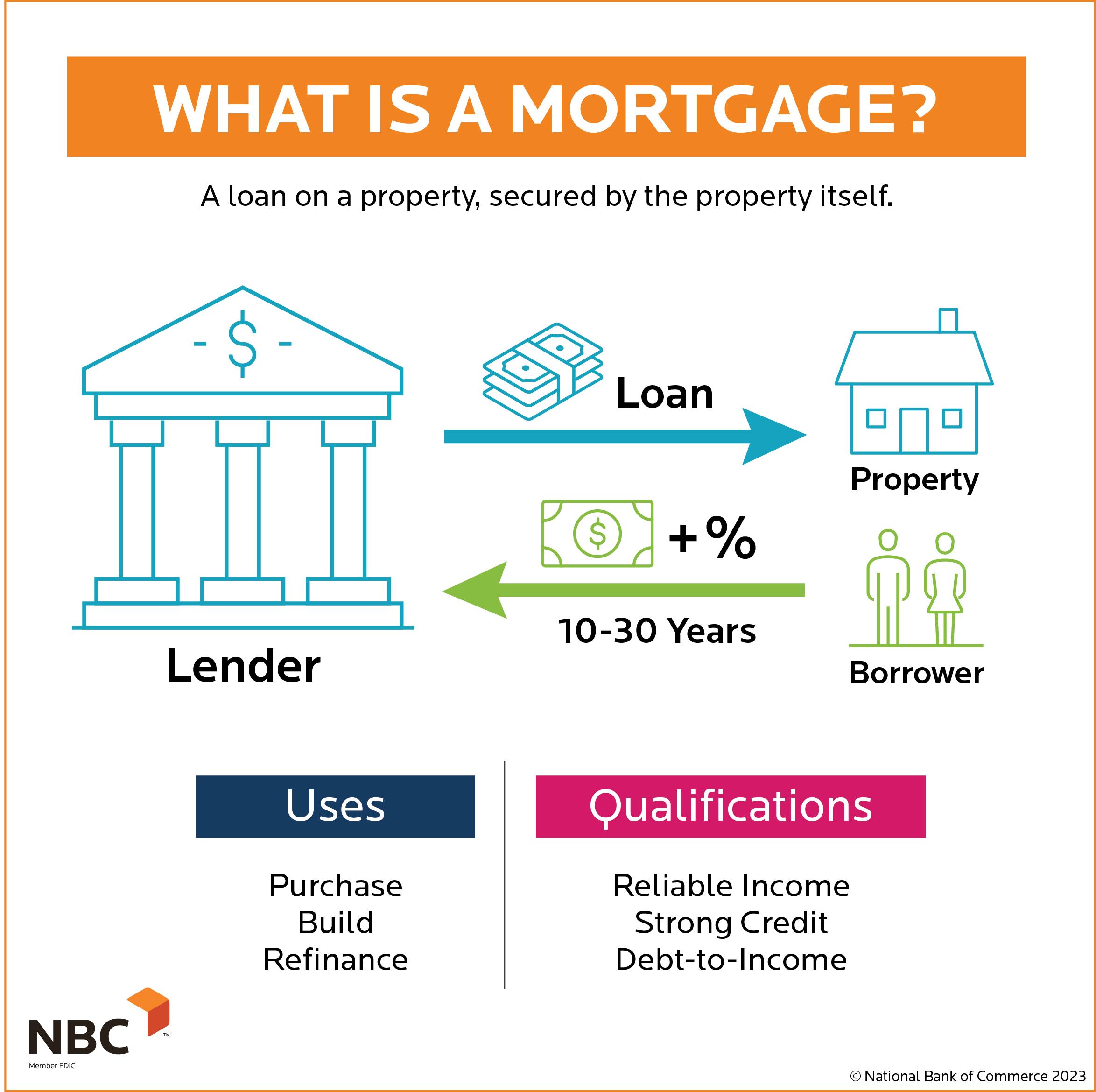
Securing a mortgage for investment properties is a critical step for real estate investors looking to expand their portfolios and maximize their financial returns. The process,while similar to obtaining a mortgage for a primary residence,involves unique considerations that can significantly impact both the approval process and the overall profitability of the investment. From understanding different financing options to preparing your financial documents and navigating lender requirements, various essential steps must be meticulously followed. This article aims to provide a thorough guide to the key actions investors should take when seeking a mortgage for investment properties, equipping them with the knowledge needed to make informed decisions and enhance their investment strategies.
Table of Contents
- Understanding the Mortgage Landscape for Investment Properties
- Evaluating Your Financial Readiness and Creditworthiness
- Choosing the Right mortgage Type and Lender
- Navigating the Application Process and Required Documentation
- Key Takeaways
Understanding the Mortgage Landscape for Investment Properties
When navigating the complexities of financing investment properties, it’s crucial to understand the different types of mortgages available. Conventional lenders often offer options such as fixed-rate mortgages, where the interest rate remains the same throughout the loan term, and adjustable-rate mortgages (ARMs), which may start with a lower rate but can fluctuate over time. Additionally, consider specialized financing options such as portfolio loans, which are held by banks in their own portfolios rather than sold on the secondary market, making them more flexible and perhaps easier to obtain for unconventional properties.
Prior to securing a mortgage, it’s beneficial to evaluate several factors that could influence your approval and loan terms:
- Credit Score: A higher score typically results in better rates.
- Debt-to-Income Ratio: Maintain a manageable ratio to demonstrate financial obligation.
- Down Payment: A larger down payment can significantly impact your mortgage terms.
- Property Type: Different properties may have varying financing requirements.
evaluating Your Financial Readiness and Creditworthiness
Before embarking on your journey to secure a mortgage for investment properties, it is indeed essential to assess your overall financial readiness. Begin by gathering your financial statements, including recent bank statements and tax returns, to create a comprehensive view of your financial situation. Key factors to consider include:
- Debt-to-Income Ratio: Aim to keep this ratio under 43% to improve your chances of mortgage approval.
- Down Payment Savings: Having at least 20% saved can help you avoid private mortgage insurance (PMI).
- Emergency Fund: Maintain a safety net of 3 to 6 months’ worth of living expenses to cover unexpected costs.
another crucial aspect to evaluate is your creditworthiness, which directly impacts the interest rates and terms you’ll receive. Lenders typically prefer borrowers with a credit score of 620 or higher. Check your credit report for any discrepancies and take steps to improve your score, such as:
- Paying Bills on Time: timely payments account for a important portion of your credit score.
- Reducing Debt: Lowering your credit card balances can positively affect your credit utilization ratio.
- Avoiding new Credit Applications: Resist applying for new credit shortly before applying for a mortgage, as this can temporarily lower your score.
| Credit Score Range | Interest Rate Potential |
|---|---|
| 300 – 579 | 7.5% and above |
| 580 – 669 | 5.5% – 7.5% |
| 670 – 739 | 4.5% – 5.5% |
| 740 and above | 3.5% – 4.5% |
Choosing the Right Mortgage Type and Lender
When it comes to financing your investment property, the mortgage type you select can significantly impact your profitability and cash flow. There are various mortgage products to consider, each with its own set of features and benefits. As a notable example, fixed-rate mortgages offer stability and predictability, making budgeting easier, while adjustable-rate mortgages (ARMs) may provide lower initial rates but come with the risk of future rate increases.Additionally, explore interest-only loans, which allow you to pay only interest for a certain period, potentially maximizing cash flow during the initial years of your investment.
Finding the right lender is just as crucial as choosing the right mortgage type. Not all lenders offer the same rates or terms, and understanding their specialties can lead you to better deals. Consider the following factors when evaluating lenders:
- Reputation: Research online reviews and ask other investors for recommendations.
- Loan Products: Ensure the lender offers the specific mortgage types you are interested in.
- Fees: Compare origination fees, closing costs, and other expenses associated with securing your loan.
- Communication: Choose a lender who is responsive and transparent throughout the process.
navigating the Application Process and Required Documentation
Successfully navigating the mortgage application process requires careful attention to detail and an understanding of the necessary documentation. Begin by gathering essential documents that reflect your financial stability and investment strategy, which typically include:
- Proof of Income: This can be in the form of pay stubs, tax returns, and profit/loss statements if self-employed.
- Credit History: A credit report will provide insight into your borrowing history, which is crucial for lenders.
- Asset Statements: Bank and investment account statements that demonstrate your liquid assets and down payment capability.
- Property Information: Details about the investment property, including a purchase agreement, rental agreements, and property appraisal if available.
as you submit your application, be prepared for a thorough underwriting process where lenders will assess your financial situation and the risk associated with the investment property. Keep communication open and respond promptly to any additional document requests. It may be helpful to create a checklist of all required documents,and consider the following guidelines:
| Documentation Type | Required For |
|---|---|
| Tax returns | Income verification |
| Bank Statements | asset Proof |
| Credit Report | Risk Assessment |
| Property Appraisal | Determining Property Value |
Completing each step meticulously will streamline the process and increase the chances of obtaining favorable mortgage terms for your investment property.
Key Takeaways
securing a mortgage for investment properties requires careful planning and informed decision-making. By thoroughly assessing your financial situation, understanding the different types of loans available, and preparing a solid investment strategy, you can position yourself for success in the real estate market. Additionally, engaging with experienced professionals, including mortgage brokers and real estate advisors, can provide valuable insights and guidance through the complexities of the mortgage process. As the real estate landscape continues to evolve, remaining adaptable and informed will empower you to make strategic investments that align with your financial goals. By following these essential steps, you will be well-equipped to navigate the path towards acquiring investment properties that can generate long-term wealth and financial stability.