

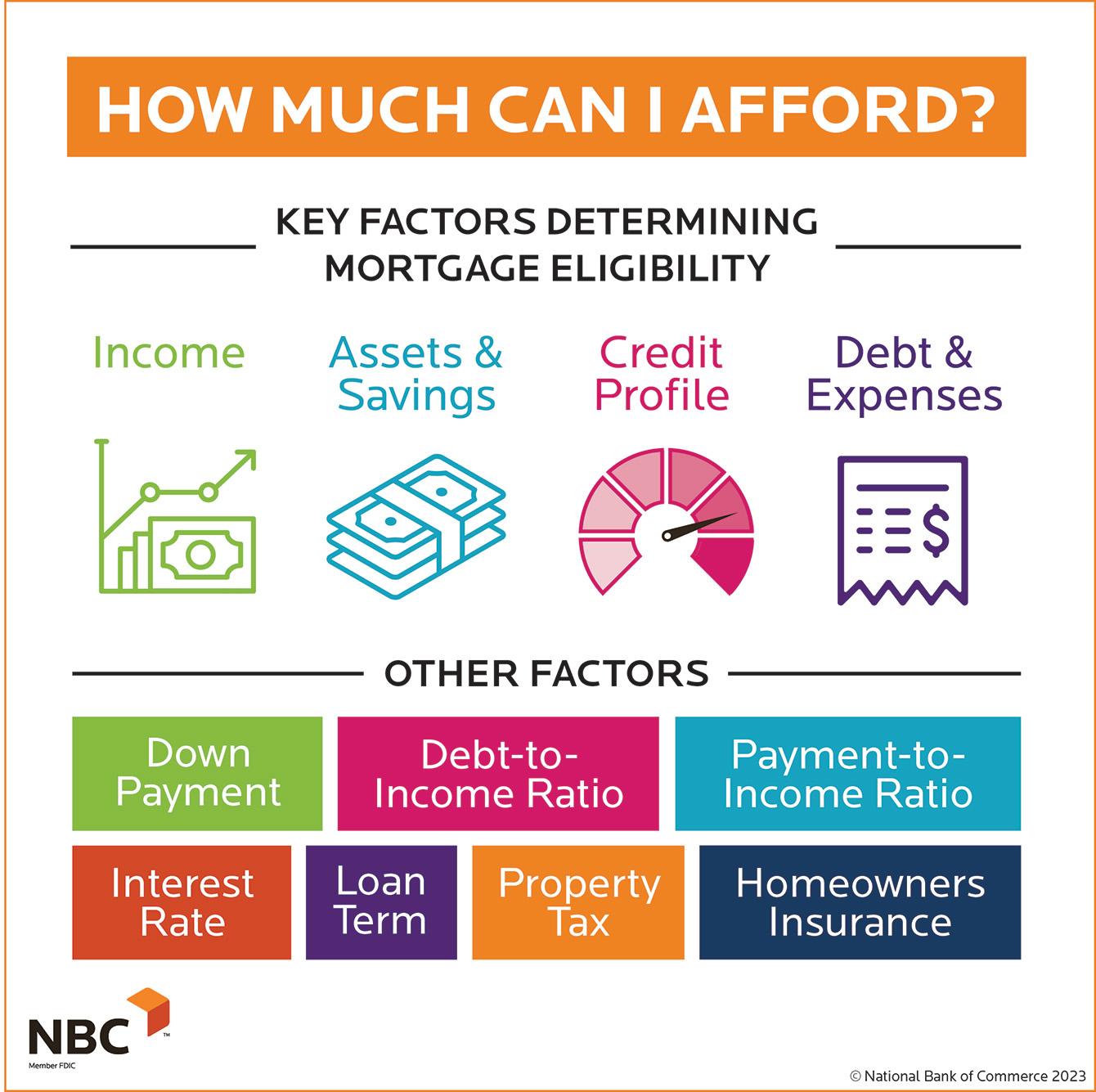
In today’s dynamic housing market, the quest for homeownership remains a significant objective for many individuals and families. However, for those with less-than-ideal credit histories, the pathway to obtaining a mortgage can often appear daunting. Understanding the intricacies of mortgage qualification with bad credit is essential for potential buyers who may feel marginalized by conventional lending standards. This article will explore the key factors influencing mortgage eligibility, outline the various lending options available to those with poor credit scores, and provide practical strategies for improving one’s financial standing.By equipping readers with the knowledge needed to navigate the complexities of mortgage qualification, we aim to empower them to make informed decisions and possibly achieve their dream of homeownership despite previous financial challenges.
Table of Contents
- Understanding the Impact of Bad Credit on Mortgage qualification
- Exploring Alternative Lending Options for Low Credit Scores
- strategies to improve Creditworthiness Before Applying for a Mortgage
- Essential Steps to Secure a Mortgage with Bad Credit
- The Way Forward
Understanding the impact of Bad Credit on Mortgage Qualification
Having bad credit can substantially effect your ability to qualify for a mortgage, as lenders typically assess creditworthiness through credit scores and reports. When your credit score falls below the preferred range, it may restrict your options and lead to unfavorable loan terms. Key consequences of poor credit include:
- Higher interest rates
- Larger down payment requirements
- Limited loan options
- Potential denial of mortgage applications
On the flip side,there are steps you can take to improve your mortgage prospects,even with bad credit. Consider the following strategies to enhance your chances of qualifying:
- Increase your down payment amount to lower the risk for lenders.
- Consider a co-borrower with good credit to strengthen your submission.
- Work on improving your credit score before applying for a mortgage.
- Explore goverment programs designed for buyers with poor credit.
Exploring Alternative Lending Options for Low Credit Scores
When traditional lending avenues seem closed due to low credit scores, alternative lending options can provide a viable pathway to obtaining a mortgage. These alternative sources focus less on credit history and more on other factors, such as income, employment stability, and overall financial behavior. Some common alternatives include:
- Hard Money Loans: These are short-term loans secured by real estate and typically have higher interest rates.
- FHA Loans: Backed by the Federal Housing Governance, these loans cater to borrowers with lower credit scores.
- Subprime Mortgages: Offered by lenders willing to take on riskier loans in exchange for higher interest rates.
- Peer-to-Peer Lending: This involves borrowing from individual investors rather than traditional financial institutions.
It’s crucial for potential borrowers to weigh the pros and cons before proceeding with alternative lending options. While these loans can offer more accessibility, they frequently enough come with higher fees and interest rates. To help you better understand the potential costs involved, consider the following simplified comparison of loan options:
| Loan Type | Credit Score requirement | Typical Interest Rate | Loan Term |
|---|---|---|---|
| Hard Money Loan | No minimum | 8-15% | 1-3 years |
| FHA Loan | 580+ | 3.5-4.5% | 15-30 years |
| Subprime Mortgage | below 620 | 6-10% | 15-30 years |
| Peer-to-Peer Loan | no minimum | 5-36% | 3-5 years |
Strategies to Improve Creditworthiness Before Applying for a mortgage
Improving your creditworthiness is key to increasing your chances of securing a mortgage, especially if you have a history of bad credit. Begin by obtaining a copy of your credit report from all three major credit bureaus. Carefully review the reports for any inaccuracies or outdated details that could be dragging down your score. dispute any errors you find; correcting inaccuracies can have a swift positive impact on your credit profile. Additionally, consider the following strategies to help bolster your credit score:
- Pay your bills on time: Set up automatic payments or reminders to ensure you never miss a due date.
- reduce outstanding debts: Focus on paying down high-interest debts first, as this can improve your credit utilization ratio.
- Avoid new credit inquiries: Limit applications for new credit cards and loans to prevent additional hard inquiries on your credit report.
Another effective approach is to become an authorized user on someone else’s credit card, provided they have a good payment history. This can add their positive credit behavior to your profile, potentially raising your score. You may also want to consider taking advantage of credit counseling services, which can provide personalized advice and help you develop a debt management plan. To track your progress, regularly monitor your credit score using free online tools. Below is a simple table summarizing these strategies:
| Strategy | Description |
|---|---|
| bill Payments | Always pay your bills on time to maintain a positive payment history. |
| Debt Reduction | Pay down existing debts to lower your credit utilization. |
| Authorized User | Join a trusted person’s credit account to benefit from their positive history. |
Essential Steps to Secure a Mortgage with Bad Credit
Securing a mortgage with bad credit may seem daunting, but there are essential steps you can take to improve your chances. first and foremost, check your credit report for errors.Disputing inaccuracies can help raise your score. Additionally, consider paying down existing debts to enhance your debt-to-income ratio, which lenders evaluate when determining your eligibility. It’s also beneficial to maintain a stable job history, as this reassures lenders of your reliability and ability to make timely payments.
Next, explore government-backed loan programs designed for individuals with lower credit scores. Options such as FHA loans allow for lower credit thresholds and smaller down payments. To further strengthen your application, consider having a co-signer with better credit to share the financial duty. shop around for lenders. Not all lenders have the same criteria, so conducting thorough research could lead you to find options that are more accommodating to your financial situation.
The Way Forward
navigating the complexities of mortgage qualification with bad credit can be challenging, but it is indeed not insurmountable. By understanding the various loan options available, improving your credit score over time, and working closely with knowledgeable professionals, you can enhance your chances of securing a mortgage that aligns with your financial goals.It is crucial to be proactive in your approach, exploring government-backed loans, alternative lenders, and potential assistance programs. With thorough research and careful planning, individuals facing credit challenges can still achieve the dream of homeownership. As the housing market continues to evolve, staying informed and adaptable will be essential to successfully overcoming obstacles associated with bad credit.