

Introduction
In the labyrinth of the real estate market, interest rates serve as a pivotal variable influencing both buyer behavior and investment strategies. As central banks adjust monetary policy in response to economic conditions, fluctuations in interest rates can create rippling effects throughout the real estate sector.This article aims to provide a thorough analysis of how these variations impact property prices, financing costs, and overall market dynamics. By examining historical trends, current data, and expert insights, we will explore the interconnectedness between interest rate movements and real estate performance. Understanding these effects is crucial for investors, homeowners, and policymakers alike, as they navigate a landscape characterized by constant change and uncertainty. Through this lens, we will dissect the mechanisms by which interest rate fluctuations shape market outcomes, informing more robust decision-making in real estate investment and policy formulation.
Table of Contents
- Understanding the Correlation Between Interest Rates and Real Estate Market Dynamics
- Impact of Interest Rate Changes on Property Valuation and investment Strategies
- Navigating Mortgage Financing Amidst Interest rate Volatility
- Strategic Recommendations for Investors and Homebuyers in a Fluctuating Rate Environment
- To conclude
Understanding the Correlation Between Interest Rates and Real Estate market Dynamics
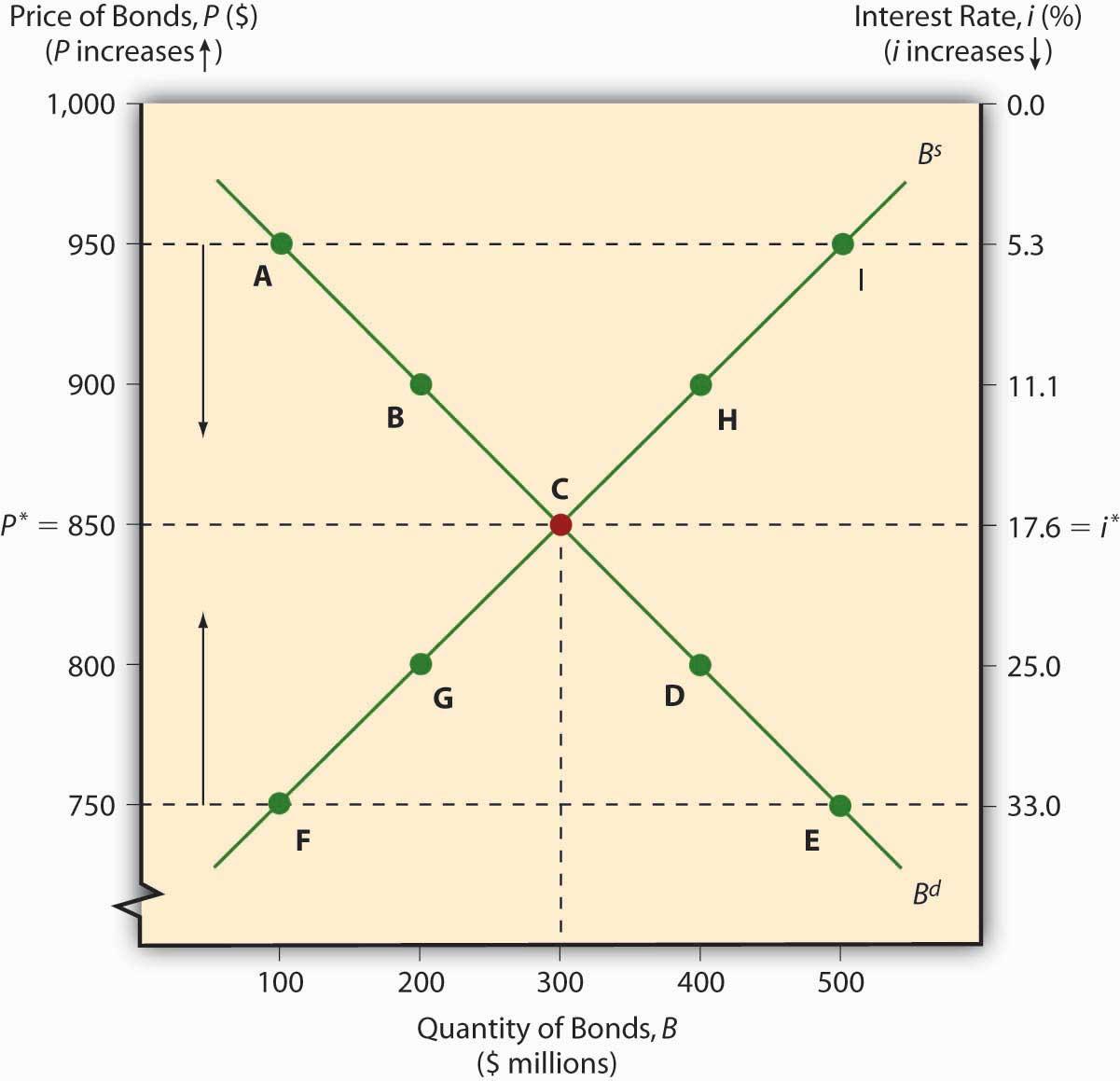
The relationship between interest rates and the real estate market is a critical factor that investors and homebuyers must grasp to make informed decisions. As interest rates rise, the cost of borrowing increases, which can lead to a decrease in demand for homes. Higher mortgage rates tend to discourage buyers, as they face larger monthly payments on loans. Conversely, when interest rates fall, borrowing becomes more attractive, potentially leading to an uptick in home sales and increased competition in the housing market. This dynamic can significantly influence property prices and overall market stability.
Moreover, the correlation between interest rates and real estate extends beyond just the consumer market; it also influences commercial real estate investments. Investors often monitor interest rate trends to assess potential returns on investment properties. When rates are low, capital becomes more accessible, encouraging expansions and construction projects. ItS essential to consider various factors, including:
- Economic Growth: Strong economic conditions typically result in higher demand for real estate.
- Inflation Rates: Higher inflation can erode purchasing power, impacting buyer sentiment and spending.
- Investment Trends: Shifts in investment priorities may occur based on interest rate fluctuations.
Here is a simple comparison table illustrating the impact of different interest rate scenarios on the real estate market:
| Interest Rate Variation | Market effect |
|---|---|
| High (e.g., 6%+) | Decreased demand; falling prices |
| Moderate (e.g.,4% - 5.99%) | Stable growth; balanced market |
| Low (e.g., 3% or below) | Increased demand; rising prices |
Impact of Interest Rate Changes on Property Valuation and Investment Strategies
Interest rate changes wield meaningful influence over property valuation, primarily affecting borrowing costs and, consequently, demand.When interest rates rise, the cost of financing a home increases, leading to reduced buyer affordability. This reduction in purchasing power often results in a dip in property prices as sellers adjust their expectations. Conversely, when rates are lowered, the borrowing landscape becomes more favorable, potentially driving up demand and property values. Key factors influencing this dynamic include:
- Capitalization Rates: Higher interest rates can lead to increased capitalization rates,reducing property valuations.
- Rental Income: With rising rates, investors may seek properties with higher rental yields to offset the cost of borrowing.
- Market sentiment: Anticipation of rate changes can create uncertainty, influencing investment decisions.
Considering these fluctuations, investors must adapt their strategies to manage risk and optimize returns. As an example, during periods of rising interest rates, it might potentially be prudent to focus on properties in markets with strong fundamentals or stable rental income. Additionally, embracing diversification can mitigate the impact of adverse scenarios. A strategic approach might include:
| Strategy | Description |
|---|---|
| Cash Reserves | Maintaining liquidity to capitalize on opportunities during market downturns. |
| Fixed-rate Financing | Locking in low rates to safeguard against future increases. |
| Value-Add Investments | Targeting properties with renovation potential to enhance value. |
Navigating Mortgage Financing Amidst Interest Rate Volatility
In the landscape of real estate financing, fluctuating interest rates present a formidable challenge for both buyers and lenders.As the Federal Reserve adjusts rates to combat inflation or stimulate economic growth, potential homeowners must adapt their strategies accordingly.For those looking to buy property, understanding the timing of these shifts is crucial. Actions to consider include:
- monitoring market trends: keeping an eye on trends can definitely help identify the best time to lock in a mortgage rate.
- Exploring different financing options: Adjustable-rate mortgages may provide initial savings, but can lead to higher payments if rates increase.
- Consulting financial advisors: Expert insights can provide guidance on navigating current conditions and crafting a long-term plan.
Moreover, interest rate volatility extends beyond just personal financing; it influences how real estate investments are approached. Investors must assess the potential return on investment against the backdrop of rising costs of borrowing. This can be analyzed through a comparative table, illustrating the impact of interest rate changes on monthly mortgage payments:
| loan Amount | Interest Rate (3%) | Interest Rate (4%) | Interest rate (5%) |
|---|---|---|---|
| $200,000 | $843 | $1,073 | $1,073 |
| $300,000 | $1,120 | $1,262 | $1,610 |
| $400,000 | $1,347 | $1,432 | $1,893 |
this table demonstrates how even a slight increase in interest rates can substantially elevate monthly payments. Investors need to factor these variables into their decisions,weighing the potential for appreciation against the cost of leverage. Understanding this dynamic will empower both homeowners and investors to make informed decisions in a complex financial environment.
Strategic Recommendations for Investors and Homebuyers in a Fluctuating Rate Environment
In a fluctuating interest rate environment, both investors and homebuyers must adopt a strategic mindset to navigate potential market volatility. Investors should focus on identifying properties that can maintain value during economic downturns, such as those in stable neighborhoods or with strong rental demand. By emphasizing cash flow and long-term appreciation, investors can insulate themselves from short-term rate hikes.It is also advisable to explore financing options that offer versatility, such as adjustable-rate mortgages with caps, which could be beneficial if rates temporarily decrease or stabilize.
For homebuyers, understanding the correlation between interest rates and affordability is crucial. Potential buyers should consider acting quickly when rates are lower to lock in favorable terms, as the cost of borrowing could significantly increase with rate escalations. Additionally, prioritizing properties that require minimal repairs or are energy-efficient can result in lower long-term expenses, further counteracting the impact of rising rates. To aid in decision-making, the following factors should be taken into account:
- Market Trends: Analyze local market conditions to identify whether now is a good buying opportunity.
- Timing: Consider timing your purchase based on projected interest rate movements.
- Investment Strategy: Decide whether to prioritize cash flow or long-term appreciation based on the current economic outlook.
To Conclude
the analysis of interest rate fluctuations reveals a complex interplay of factors that significantly impact the real estate market. As we have explored, changes in interest rates can influence housing affordability, demand dynamics, and investment strategies in profound ways.Higher interest rates generally lead to elevated borrowing costs, which can dampen buyer enthusiasm and slow down property sales, while lower rates frequently enough stimulate market activity by making mortgages more accessible. Though, the effects are not uniform across different segments of the market; luxury estates, multifamily units, and commercial properties may react distinctly based on their unique financial structures and the prevailing economic conditions.
Furthermore, the responsiveness of the real estate market to interest rate changes is also influenced by othre macroeconomic variables such as inflation, economic growth, and consumer sentiment. For investors and stakeholders in the real estate sector, understanding these relationships is crucial for navigating potential risks and opportunities. Strategic decision-making should incorporate not only current interest rate trends but also projections for future monetary policy and economic shifts.As we move forward, staying informed and adaptable will be essential for successfully capitalizing on the evolving landscape of real estate. Continuous analysis and an astute awareness of market conditions will empower investors and homeowners alike to make informed choices in an environment characterized by interest rate volatility. The ongoing dialog around these dynamics will undoubtedly shape the future of real estate investment and development for years to come.