

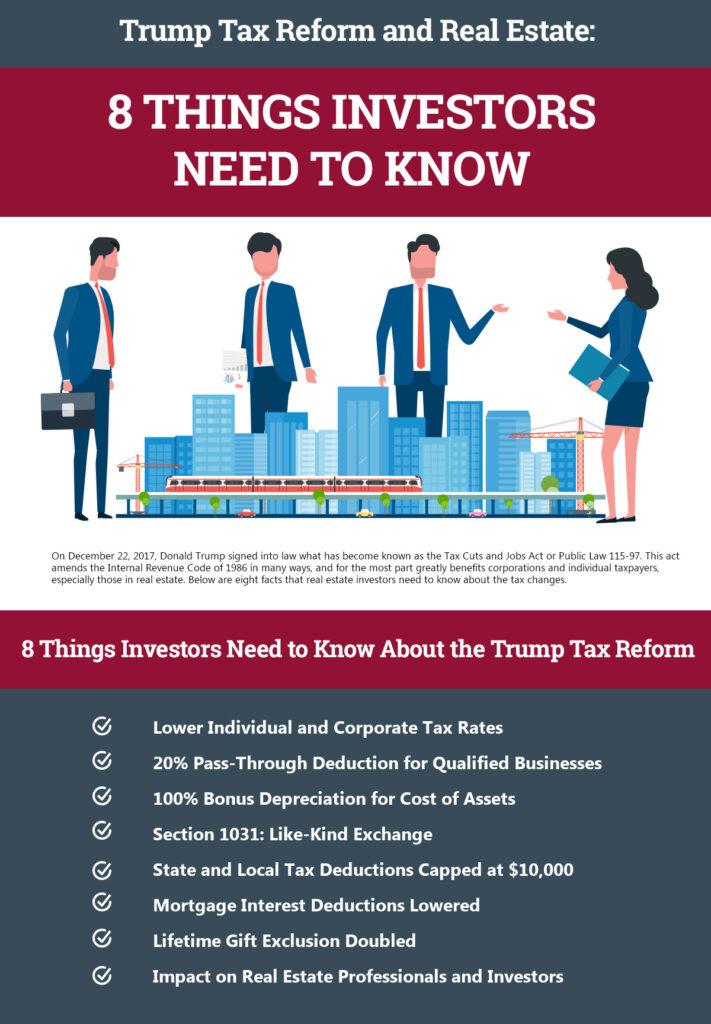
The realm of real estate is vast and multifaceted,offering a plethora of career paths suited to a wide array of skills and interests. Among these, real estate tax jobs stand out as a critical and dynamic segment of the industry, blending intricacies of taxation with the tangible assets of property management and development. As the real estate market continues to evolve, navigating the complexities of tax regulations and compliance has become increasingly essential for both individuals and companies alike. This article aims to delve into the diverse career opportunities within the field of real estate tax, highlighting the skills required, potential career trajectories, and the essential role these positions play in supporting the financial well-being of real estate ventures. Whether you are a seasoned professional seeking to pivot your career or a newcomer aspiring to enter the field, understanding the landscape of real estate tax jobs can provide valuable insights for your professional journey.
table of Contents
- Understanding the Role of Real Estate Tax professionals in the Industry
- Essential Skills and Qualifications for Success in real Estate Tax Careers
- Navigating Career Pathways and Advancement Opportunities in Real Estate Tax
- Best Practices for Networking and Professional Development in Real Estate Tax Fields
- To Conclude
Understanding the Role of Real Estate Tax Professionals in the Industry
Real estate tax professionals play a crucial role in navigating the complex landscape of property taxation. Their expertise not only helps property owners maximize their tax benefits but also ensures compliance with local, state, and federal regulations. They are often involved in various tasks that include:
- Assessing property values to determine tax liabilities
- Preparing tax returns for real estate transactions
- Advising clients on tax planning strategies related to real estate investments
- Representing clients during property tax appeals and disputes
Through their specialized knowledge, these professionals contribute significantly to the operating efficiency of real estate ventures.
Working as a real estate tax expert requires a blend of analytical skills,attention to detail,and a solid understanding of tax law. This role often demands ongoing education to stay updated with the ever-evolving tax regulations. The responsibilities often extend to collaborating with other professionals such as accountants, attorneys, and real estate agents to coordinate efforts that benefit the client. hear’s a look at some of the key areas where real estate tax professionals focus their efforts:
| Area of Focus | Description |
|---|---|
| Tax Compliance | Ensuring adherence to tax laws and regulations. |
| Valuation Services | Providing accurate assessments of property values. |
| Tax Planning | Strategizing to optimize tax outcomes for clients. |
With their specialized skill set, real estate tax professionals are uniquely positioned to offer invaluable support in the realm of property taxation.
Essential Skills and Qualifications for Success in real Estate Tax Careers
Success in real estate tax careers hinges on a combination of technical expertise, analytical skills, and interpersonal capabilities. Professionals in this field should possess a solid foundation in tax law and real estate regulations, wich can be achieved through relevant educational backgrounds such as finance, accounting, or law. Additionally, familiarity with software programs designed for tax analysis and management, such as Excel and specialized tax software, can significantly enhance job performance. Other essential skills include:
- Attention to detail: Precision is crucial when managing financial documentation and calculations.
- Critical thinking: Ability to assess complex tax scenarios and formulate effective strategies.
- Communication skills: Capacity to convey intricate tax concepts clearly to clients and stakeholders.
Beyond the technical know-how, real estate tax professionals must also cultivate strong working relationships within the industry.Networking plays a vital role in career advancement, making it imperative to engage in industry events and participate in professional associations. Keeping abreast of legislative changes and emerging trends in the real estate sector can set candidates apart. Successful individuals in this field frequently enough demonstrate:
- Adaptability: Ability to navigate changes in tax legislation and market conditions.
- Problem-solving skills: Resourcefulness in overcoming obstacles related to tax assessments and disputes.
- Project management abilities: Competence in managing multiple assignments and deadlines efficiently.
Navigating Career Pathways and Advancement Opportunities in Real Estate Tax
Entering the field of real estate tax offers a myriad of pathways for career advancement and specialization. Professionals in this sector can often find themselves navigating diverse roles such as tax consultants, property appraisers, and compliance officers. Each of these roles provides unique opportunities for growth and expertise, allowing individuals to enhance their skills in financial analysis, legal compliance, and market assessments. Moreover, networking within specialized trade associations can amplify career prospects, offering access to resources, mentorship, and learning opportunities that are vital for professional growth.
As the industry evolves, so do the advancement opportunities.Continuous education and obtaining industry certifications can significantly impact one’s career trajectory. Here are some valuable paths to consider:
- Continuing Education: Pursuing advanced degrees or certifications such as Certified Public Accountant (CPA) or a master’s in Taxation can enhance qualifications.
- Specialization: Focus on distinctive areas within real estate tax, like property taxation or tax incentive programs, to set oneself apart from peers.
- Leadership Roles: Aspiring towards management or director positions within firms can offer both influence and attractive compensation.
Below is a simple overview of potential career advancement roles within the realm of real estate tax:
| Position | Responsibilities | Typical Advancement Path |
|---|---|---|
| Tax Analyst | Analyze property taxes, assess compliance | Senior Tax Analyst |
| tax Consultant | Provide tax planning advice, optimize tax strategies | Tax Manager |
| Property Appraiser | Evaluate market values for tax assessments | Senior Appraiser |
| Compliance Officer | Ensure adherence to tax regulations | Compliance Manager |
Best Practices for Networking and Professional Development in Real Estate Tax Fields
To excel in the real estate tax field, it is imperative to establish a robust network of industry contacts and continuously develop your professional skills. Joining industry organizations such as the American Society of Tax Professionals can provide valuable networking opportunities,access to exclusive resources,and updates on the latest tax developments. Additionally, attending seminars and conferences allows for face-to-face interactions with experts, enabling the exchange of ideas and trends within the real estate tax arena. Consider participating in local networking events or workshops to build meaningful relationships in your community.
Another effective way to enhance your career in real estate tax is through ongoing education and certification. Pursuing credentials such as the Certified Commercial Investment Member (CCIM) designation or a Master of Science in Taxation can demonstrate your commitment to the field. Moreover, leveraging online platforms like LinkedIn allows you to connect with peers, showcase your skills, and join relevant groups where discussions about tax changes and strategies take place. To keep track of your development and networking activities, maintain a simple table to monitor connections and professional engagement:
| Activity | Date | Details |
|---|---|---|
| Networking Event | 04/15/2024 | Real Estate Tax Seminar |
| Online Course | 05/20/2024 | Real Estate Tax Strategies |
| Professional Association Meeting | 06/10/2024 | Annual Tax Professionals Gathering |
To Conclude
the realm of real estate tax jobs presents a diverse array of career opportunities for individuals seeking to combine their expertise in finance, law, and real estate.As the real estate market continues to evolve, so too does the demand for educated professionals who can navigate the complexities of tax regulations and their implications for property ownership and investment. Whether you are an aspiring tax advisor, compliance officer, or policy analyst, the insights and skills gained from pursuing a career in this field can lead to a rewarding and impactful professional journey.
As you contemplate your next career move, consider the myriad pathways available within real estate tax jobs. Engaging with industry professionals, pursuing relevant certifications, and staying informed about legislative changes will greatly enhance your prospects in this dynamic field. By embracing lifelong learning and maintaining a proactive approach, you can position yourself for success and make a meaningful contribution to the ever-vital intersection of real estate and taxation.We hope this exploration of career opportunities in real estate tax jobs has provided you with valuable insights and motivation to delve further into this essential sector. Thank you for joining us on this journey of revelation,and we wish you every success as you navigate your career path in this vital area of expertise.