

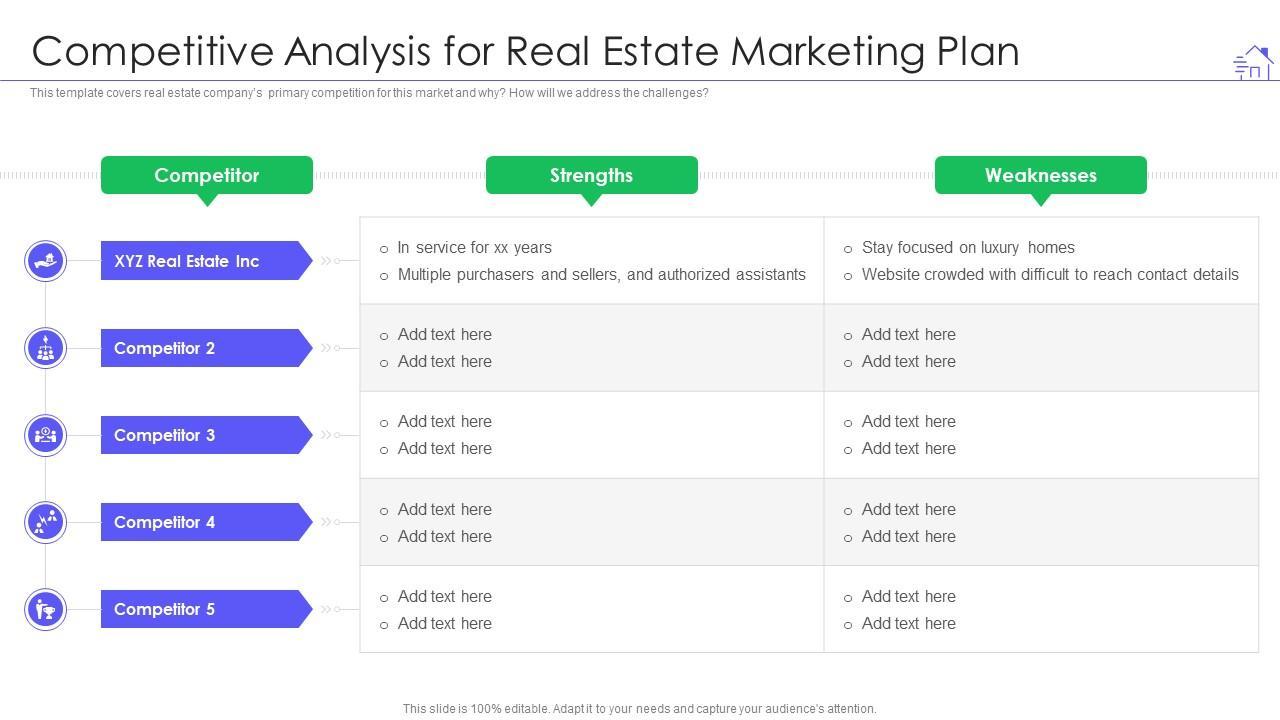
In an era defined by rapid market fluctuations and evolving consumer preferences, the real estate sector stands as a testament to both prospect and challenge. For industry professionals, navigating this competitive landscape requires more then conventional sales tactics; it demands a strategic mindset and an agile approach. As markets become increasingly saturated and discerning clients seek tailored solutions, understanding the nuances of strategic positioning becomes paramount. This article delves into key strategies designed to help real estate professionals not only survive but thrive amidst fierce competition. From leveraging technology for market analysis to fostering strong client relationships and adapting to macroeconomic trends, we will explore actionable insights that can drive success in today’s dynamic real estate environments. Whether you’re a seasoned agent or an emerging player in the field, these strategic approaches will equip you with the tools needed to elevate your business and seize opportunities in an ever-evolving marketplace.
Table of Contents
- understanding Market Dynamics and Consumer Behavior
- Leveraging Technology and Data Analytics for Competitive Advantage
- Building Strong Networks and Partnerships in Real Estate
- Developing Innovative Marketing Strategies to Enhance Visibility
- In Conclusion
Understanding Market Dynamics and Consumer Behavior
In the competitive landscape of real estate, understanding the ever-changing market dynamics is crucial for success.Agents and investors must remain vigilant, analyzing economic indicators, demographic trends, and local market conditions to make informed decisions. Key factors influencing market dynamics include:
- Interest Rates: fluctuations in interest rates can significantly impact buyer affordability and market demand.
- Housing Supply: Inventory levels dictate competitiveness; a shortage can lead to bidding wars, while excess supply may drive prices down.
- Government Policies: Tax incentives and regulations can alter the attractiveness of real estate investments.
- Technological Advancements: The rise of digital platforms and tools has reshaped how properties are marketed and sold.
Consumer behavior is another vital aspect to consider, as it shapes how potential buyers and renters make decisions. Understanding consumer preferences, motivated by lifestyle trends and economic factors, can leverage marketing strategies. Key behavioral trends include:
| Trend | Impact |
|---|---|
| Remote Work | Increased demand for homes with office spaces, leading to a shift in popular locations. |
| Sustainability | Growing preference for energy-efficient and eco-kind properties boosts market value. |
| Urban vs. Suburban Living | Changing desires for urban amenities versus suburban space drive diverse property interests. |
Leveraging Technology and Data Analytics for Competitive Advantage
In today’s fast-paced real estate landscape, harnessing the power of technology and data analytics has become essential for companies striving to maintain a competitive edge. Insightful data analysis can unveil market trends, consumer behavior patterns, and investment opportunities that are often overlooked. By utilizing advanced tools, real estate professionals can streamline operations and enhance decision-making processes. Some key technological solutions include:
- Predictive Analytics: Anticipating market shifts and property value changes.
- Customer Relationship Management (CRM) Systems: Enhancing client interactions and satisfaction.
- Geographic Data Systems (GIS): Mapping real estate trends and visualizing potential investments.
Moreover, it is vital for companies to invest in talent that can effectively interpret and implement these insights. A data-driven culture fosters better strategic planning and resource allocation. Incorporating tools that support data visualization can assist in making complex information digestible and actionable. As an example, consider the following comparative table showcasing the impact of data analytics on decision-making:
| Aspect | Traditional Approach | Data-Driven Approach |
|---|---|---|
| Market Analysis | Subjective insights | Quantitative data trends |
| Client Interaction | Generic marketing | Personalized engagement |
| investment Decisions | Emotional factors | Evidence-based strategies |
Building Strong Networks and Partnerships in Real Estate
In the competitive landscape of real estate, forging robust networks and strategic partnerships can provide a significant advantage. Engaging with professionals across related sectors not only expands your reach but also creates opportunities for collaboration. Consider the following approaches to enrich your networking efforts:
- Attend Industry Events: Participate in conferences,workshops,and seminars tailored for real estate professionals to connect with potential partners.
- Leverage Social Media: Utilize platforms like LinkedIn to showcase your expertise and engage with other professionals in your field.
- Join Local Associations: Becoming a member of local real estate groups can help you meet influential individuals within your market.
When building relationships, prioritize quality over quantity.Focus on nurturing these connections by offering valuable insights and resources.Here’s a rapid guide to types of partnerships to consider:
| Partnership Type | Description |
|---|---|
| Real Estate Agents | Collaborate to exchange leads and insights on market trends. |
| Investors | Partner on property acquisitions to maximize resources and minimize risk. |
| Contractors | establish relationships for reliable renovation and construction services. |
Developing Innovative Marketing Strategies to Enhance Visibility
In the fast-paced world of real estate, standing out from the competition is essential for attracting potential clients and closing deals. One effective way to enhance your market visibility is by leveraging digital innovation. Implementing cutting-edge technologies such as augmented reality (AR) and virtual tours can provide potential buyers with immersive experiences, allowing them to envision properties as if they were physically present. Additionally, utilizing data analytics can help you identify market trends and consumer preferences, enabling tailored marketing initiatives that resonate with your target audience.
Moreover, prioritizing content marketing can further elevate your brand presence. Curating valuable resources, such as blogs, eBooks, and video content, not only establishes authority but also engages potential clients on multiple platforms. Here are some strategies to consider:
- Social Media: Create sharable content that highlights listings and success stories.
- Email Campaigns: Use personalized email targeting to nurture leads and maintain engagement.
- Webinars and Workshops: Host events covering relevant market topics to draw in potential clients.
Additionally, maintaining an active online presence through search engine optimization (SEO) and pay-per-click (PPC) advertising can significantly improve visibility and drive traffic to your website. Focusing on local SEO ensures that your business appears prominently when potential clients search for real estate services in your area.
In Conclusion
navigating the complexities of competitive real estate markets requires a multifaceted strategy that combines market analysis, innovative marketing techniques, and impeccable client service. by adopting a proactive approach and leveraging technology, industry professionals can identify opportunities and mitigate risks, ensuring they not only survive but thrive in this dynamic landscape.
investing in continued education and fostering strong relationships within the community will further position real estate agents and firms for success. As the industry continues to evolve, those who prioritize adaptability, informed decision-making, and a customer-centric ethos will emerge as leaders.
Ultimately, embracing these strategic approaches drives not only individual success but also contributes to the overall health and vibrancy of the real estate market. Now is the time to implement these strategies and secure your competitive advantage in this ever-changing habitat.