

In recent years, the housing market has found itself at a crossroads, grappling with a multitude of challenges that threaten its stability and accessibility.One of the most pressing issues contributing to this uncertainty is the significant rise in construction costs. From skyrocketing prices for raw materials to labor shortages and supply chain disruptions, the factors at play are complex and multifaceted. These rising costs not onyl influence the pace and feasibility of new housing projects but also have profound implications for buyers,renters,and investors alike. In this article, we’ll explore how these escalating expenses are reshaping the housing landscape, the ripple effects on affordability, and what it means for the future of homeownership in today’s economy. Whether you’re a potential homebuyer, real estate professional, or simply curious about market trends, understanding the impact of rising construction costs is essential in navigating the current housing market.
Table of Contents
- Understanding the Causes of Rising Construction Costs in the Housing Market
- Evaluating the Consequences of Increased Building Expenses on Housing Affordability
- Strategic Solutions for Homebuyers: Navigating Today’s High-Cost Environment
- Future Outlook: Adapting to Persistent Construction Cost Challenges in Housing Trends
- Key Takeaways
Understanding the Causes of Rising Construction Costs in the Housing Market
The contemporary housing market is grappling with a significant challenge: soaring construction costs. This phenomenon results from a complex interplay of factors that are reshaping the landscape of homebuilding.One primary driver is the escalation in material prices, which has surged due to global supply chain disruptions, heightened demand, and inflationary pressures. Key materials such as lumber, steel, and concrete have experienced volatile price swings, complicating budgeting and planning for developers and builders alike. Additionally, the labor shortage in the construction sector exacerbates the issue, as a lack of skilled workers leads to increased wages, further inflating overall costs.
Another contributing element is the regulatory environment, with municipalities implementing stricter building codes and zoning regulations. While these rules aim to enhance safety and sustainability, they often come at a financial cost to developers, requiring more time and resources to achieve compliance. Furthermore, the rising costs associated with land acquisition cannot be overlooked. As urban areas continue to expand and housing demand intensifies, the price of suitable land has skyrocketed, posing additional challenges for developers looking to build affordable housing.Together, these factors create a feedback loop that continues to push construction costs higher, ultimately impacting homebuyers and renters across the market.
Evaluating the Consequences of Increased Building Expenses on Housing Affordability
The upward trend in building expenses is creating ripple effects throughout the housing market, significantly impacting affordability for consumers. As developers and builders grapple with soaring costs, they are left with limited options—either pass these expenses onto homebuyers or absorb them, which can jeopardize their financial viability. when examining housing affordability,it becomes crucial to understand how various factors contribute to increasing prices,including:
- Material Costs: The price of essential construction materials,such as lumber and steel,has seen unprecedented rises,driven by supply chain issues and heightened demand.
- Labor Shortages: A shrinking labor pool, frequently enough due to the pandemic, is leading to higher wages, further inflating construction costs.
- land Prices: Urban areas,in particular,are experiencing skyrocketing land values,making it arduous for developers to keep housing prices within reach.
Consequently of these challenges, many potential homeowners are increasingly priced out of the market, forcing them to consider alternatives like renting or relocating to less desirable areas. the situation is exacerbated in areas that were already struggling with affordability prior to the rise in building expenses. To better visualize the impact of increasing construction costs, consider the following table:
| Cost Element | 2020 costs | 2023 Costs | % Increase |
|---|---|---|---|
| Construction Materials | $10,000 | $15,000 | 50% |
| Labor | $5,000 | $8,000 | 60% |
| Land | $20,000 | $30,000 | 50% |
This table illustrates the stark reality of cost increases in key components of housing development, which inevitably translates to higher home prices for buyers. Consequently, as homeownership becomes an elusive dream for many, it invites wider discussions about policy interventions necessary to restore balance and enhance housing access in the current economic climate.
Strategic Solutions for Homebuyers: Navigating Today’s High-Cost Environment
As homebuyers face the challenges posed by escalating construction costs, strategic planning is crucial. Understanding market trends can guide buyers toward making informed decisions. Emphasizing financing options is essential, especially as interest rates fluctuate. Exploring adjustable-rate mortgages or government-backed loans can provide versatility amid rising costs. Additionally, prioritizing energy-efficient homes not only ensures lower monthly utility bills but may also enhance property value in the long run. Buyers should consider collaborating with experienced real estate agents who can provide insights on emerging neighborhoods and potential investment opportunities.
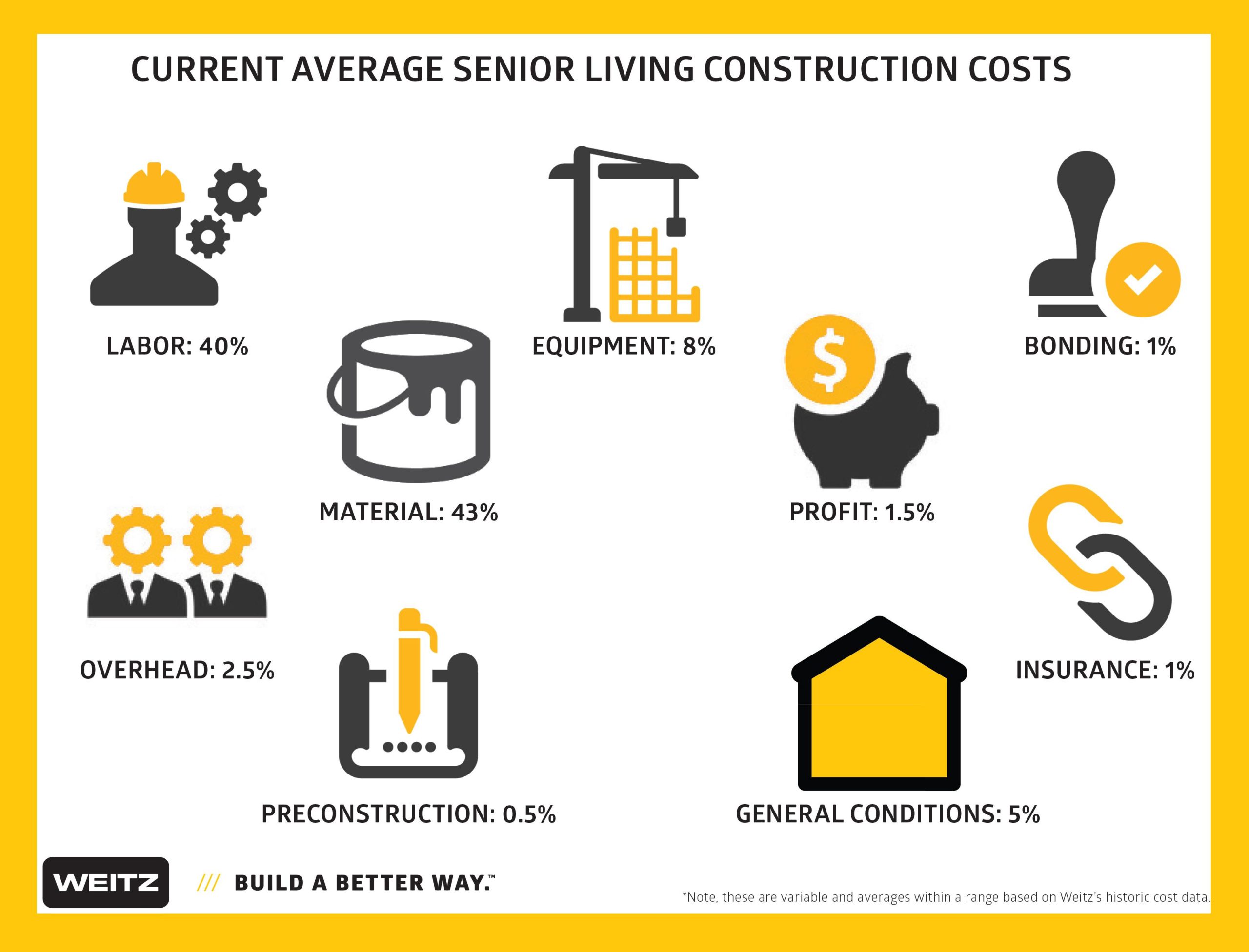
Moreover, being well-versed in negotiation tactics can substantially benefit buyers in today’s competitive market.Engaging in conversations with builders about project timelines and offering to customize homes can sometimes result in better pricing or additional incentives. Buyers should stay informed on local government programs designed to assist first-time homeowners, which can definitely help mitigate some financial burdens. A thorough understanding of the current landscape, including a detailed examination of construction cost breakdowns, can empower buyers to make decisions that align with their financial capabilities while fulfilling their housing dreams.
| Construction Cost Component | Typical Percentage of Total Cost |
|---|---|
| Materials | 50% |
| Labor | 30% |
| Land Acquisition | 15% |
| Permits & Fees | 5% |
Future Outlook: Adapting to Persistent Construction Cost Challenges in Housing Trends
The construction industry is grappling with escalating costs, leading to a profound impact on housing trends. As developers and builders face challenges such as surging material prices, labor shortages, and regulatory hurdles, adapting to these persistent issues has become critical. To remain competitive and meet the demand for affordable housing, stakeholders must embrace innovative strategies. Options include leveraging modular construction, incorporating lasting practices, and utilizing technology to optimize efficiency. By prioritizing these approaches, the industry can mitigate the impacts of rising costs and ensure that housing remains accessible to a broader audience.
Moreover,collaboration among stakeholders—ranging from developers to government entities—is essential to navigating the changing landscape. Establishing partnerships can foster solutions such as shared resources, bulk purchasing agreements, and investment in workforce development. Additionally, adopting flexible financing models can help accommodate fluctuating construction expenses. As the market evolves, itS imperative to monitor key indicators such as interest rates, housing demand, and economic trends to make informed decisions. The future of housing depends not solely on meeting current demand but also on developing resilience against the ongoing challenges of the construction cost crisis.
Key Takeaways
As we conclude our exploration of the impact of rising construction costs on today’s housing market, it is clear that the implications reach far beyond mere numbers. The escalating expenses not only influence affordability and accessibility for prospective homeowners but also reshape the very fabric of our communities. Builders, buyers, and policymakers must navigate this evolving landscape, seeking innovative solutions to ensure that housing remains a viable option for all.
As we move forward, it will be essential to monitor these trends closely and adapt our strategies accordingly.Collaborations between government,industry,and communities can help mitigate the challenges posed by these rising costs,fostering an environment where sustainable and affordable housing can thrive.
Let’s continue to engage in this critical conversation—share your thoughts, insights, and experiences in the comments below. Together, we can advocate for a housing market that serves everyone equally and equitably. until our next discussion, stay informed and involved as we tackle the complexities of today’s housing landscape.