

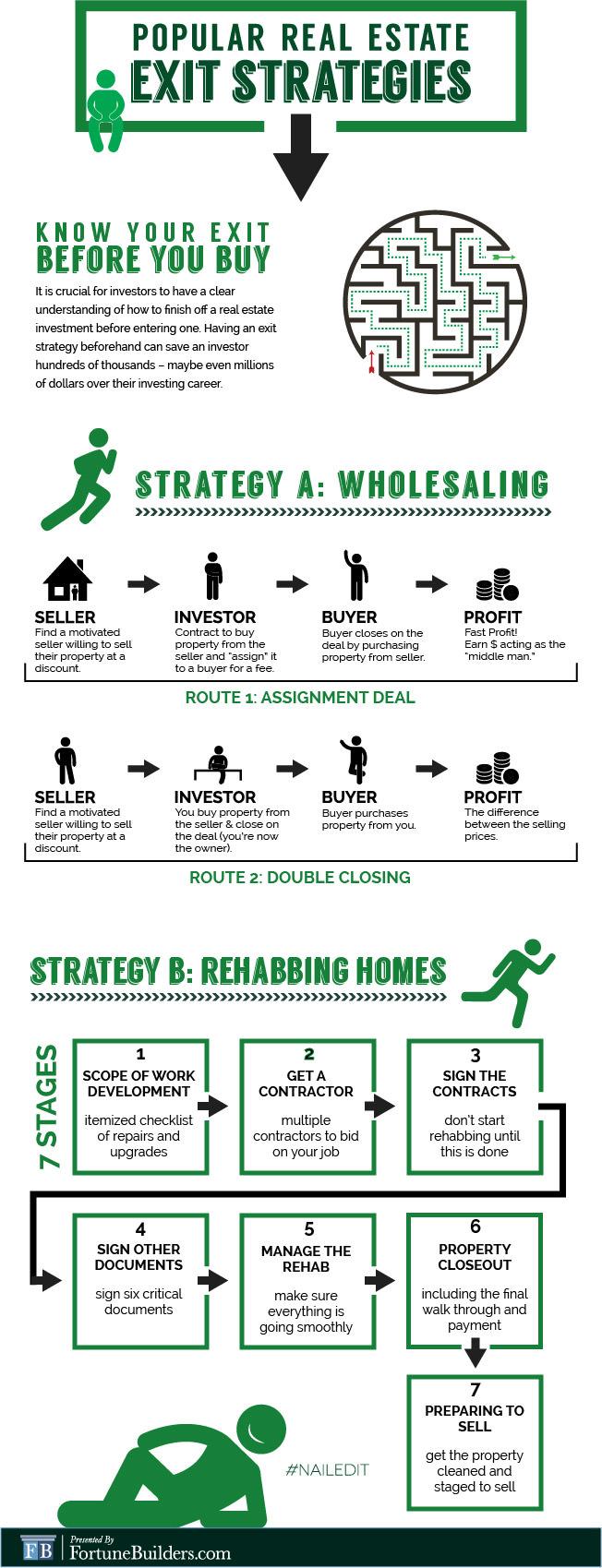
In the ever-evolving landscape of real estate investment, having a robust exit strategy is as crucial as the initial acquisition of a property. Whether you’re a seasoned investor or a novice looking to navigate the world of real estate, understanding the various pathways to divestment can make a significant difference in your overall success. An effective exit strategy not only safeguards your capital but also maximizes your returns, allowing you to capitalize on market fluctuations and personal financial goals. In this article, we’ll delve into the diffrent exit strategies available to real estate investors, exploring their benefits and potential pitfalls. By equipping yourself wiht this knowledge, you can make informed decisions, mitigate risks, and ultimately build a sustainable and profitable investment portfolio. Join us as we uncover the essential strategies that can help you transition smoothly from investment to realization, ensuring that every property you manage serves as a stepping stone toward your financial aspirations.
Table of Contents
- Identifying Your Objectives: Tailoring Exit Strategies to Investment Goals
- Market Analysis: Timing Your Exit for Maximum Returns
- Strategic Options: Selling, renting, or 1031 Exchanges
- Minimizing Risks: Legal and Financial Considerations for a Smooth Exit
- Future Outlook
Identifying Your Objectives: Tailoring Exit Strategies to Investment Goals
When developing a successful exit strategy, it is essential to clearly define your investment objectives. Different investors may prioritize varying outcomes, whether it’s maximizing profit, ensuring liquidity, or simply minimizing losses. To tailor your exit strategies effectively, consider the following crucial objectives:
- Profit Maximization: Aim for the highest possible returns by selling at peak market conditions.
- Cash Flow stability: Focus on holding longer and ensuring consistent rental income before exiting.
- Risk Mitigation: Plan your exit to reduce exposure to market downturns.
- Time Frame for Investment: Align your exit strategy with short-term flips versus long-term holds.
Understanding these objectives will guide your choice of exit strategy, wich can range from selling directly to reinvesting in other properties or transitioning into Real Estate Investment Trusts (REITs). Here’s a brief overview of how different strategies may align with specific goals:
| Objective | Ideal Exit Strategy |
|---|---|
| Profit Maximization | Sell during market highs |
| Cash Flow Stability | Increase rental rates for steady income |
| Risk Mitigation | Implement gradual selling in fluctuating markets |
| time Frame for Investment | Short-term fix-and-flip vs.long-term hold |
Market Analysis: timing Your Exit for Maximum Returns
Understanding market dynamics is crucial for any real estate investor looking to capitalize on their investments. As property values fluctuate based on various economic indicators, being able to time your exit can drastically affect your return on investment. Here are some key factors to consider:
- Market Conditions: Monitor real estate trends and economic indicators such as interest rates, unemployment rates, and housing inventory levels.
- Appreciation Rates: Analyze ancient appreciation rates in your local market to determine optimal selling times.
- Seasonality: Recognise seasonal trends that may influence buyer behavior, such as school schedules or holiday seasons.
Implementing a data-driven approach can enhance your decision-making process. Utilizing a comparative market analysis (CMA) can help you gauge whether it’s the right time to sell based on current inventory and demand. Below is a simple table illustrating the benefits of timing your exit based on market conditions:
| market Condition | Recommended Action | Potential Outcome |
|---|---|---|
| Bull Market | Consider selling | Higher sale prices, quicker sales |
| Stagnant Market | Hold off on selling | Lower returns, prolonged listings |
| Bear Market | Reevaluate Exit Strategy | Minimize losses, explore rental options |
Strategic Options: Selling, Renting, or 1031 Exchanges
When considering the future of your real estate portfolio, you have several strategic options that can influence your financial trajectory. Selling a property can provide immediate liquidity, allowing you to cash in on your investment when market conditions are favorable. This approach can be particularly advantageous if you’ve built significant equity and the property has appreciated over time. Though, it’s essential to factor in considerations like capital gains taxes, market trends, and the potential for reinvestment opportunities. Here are some key points to keep in mind if selling is your preferred route:
- Market Timing: Selling during a seller’s market can maximize your returns.
- Improving Property Value: Renovations or staging can enhance the appeal and increase selling price.
- Tax Implications: understanding capital gains taxes can influence your net return.
Conversely, renting out your property can provide a steady stream of income while preserving your investment for future appreciation. This strategy is particularly attractive in markets with low vacancy rates and strong demand for rental housing. Besides consistent cash flow, renting offers the possibility of tax deductions for property-related expenses. If you choose to rent, consider the following advantages:
- Passive Income: Generates cash flow while retaining ownership of the asset.
- Tax Benefits: Deductions for mortgage interest and depreciation can reduce tax liability.
- Property Appreciation: Allowing the property to increase in value over time.
Another option available to real estate investors is the 1031 exchange, which allows you to defer capital gains taxes by reinvesting the proceeds from a sold property into another like-kind property. This strategy can be particularly useful for those looking to upgrade or diversify their portfolio without the immediate tax burden. The table below summarizes the primary benefits of choosing a 1031 exchange:
| Benefits | Description |
|---|---|
| Tax Deferral | Defer taxes on gains from the sale of a property. |
| Portfolio Growth | Reinvest in larger, more lucrative properties. |
| Adaptability | Choose your next investment based on market conditions. |
Minimizing Risks: Legal and Financial Considerations for a Smooth Exit
when planning an exit strategy, it’s essential for real estate investors to minimize risks related to both legal and financial aspects. Engaging professionals, such as real estate attorneys and financial advisors, can provide invaluable insight and structure. Consider the following key legal considerations:
- Compliance with laws: Ensure all transactions meet local, state, and federal regulations.
- Contracts and agreements: Review existing contracts for clauses that may affect exit options.
- Tax implications: Understand potential tax liabilities that could arise from selling properties.
Financially, it is indeed vital to evaluate the overall health of your investment portfolio prior to liquidation. Establish a clear understanding of how selling your properties will impact your cash flow and capital gains. Here’s a simple overview of potential financial impacts:
| Option | Benefit | Risk |
|---|---|---|
| Direct Sale | Quick access to cash | Market depreciation |
| 1031 Exchange | Tax deferral | Complexity of reinvestment |
| Lease Option | Future sale potential | Uncertain market conditions |
By diligently addressing these legal and financial considerations, investors can facilitate a more streamlined exit while safeguarding their investments.
Future Outlook
navigating the complex landscape of real estate investing requires not just a keen eye for prospect, but also a well-crafted exit strategy. As we’ve explored, a successful exit plan can not only maximize your profits but also provide a safety net against market fluctuations and unforeseen challenges. Whether you’re considering a full property sale, leveraging 1031 exchanges, or engaging in strategic partnerships, it’s essential to align your exit strategy with your overall investment goals and risk tolerance.
Remember, the best time to think about your exit plan is not at the moment of sale, but well ahead of it.By planning proactively, you can enhance your decision-making process, adapt to changing market conditions, and ultimately secure your financial future.
As you embark on this journey, continuously educate yourself about market trends, regulatory changes, and innovative strategies. Engaging with fellow investors and industry experts can also provide invaluable insights that enhance your understanding and readiness for a successful exit.
We hope this article has provided you with the tools and knowledge to explore and implement effective exit strategies tailored to your unique investment journey. Here’s to your continued success in real estate investing!