

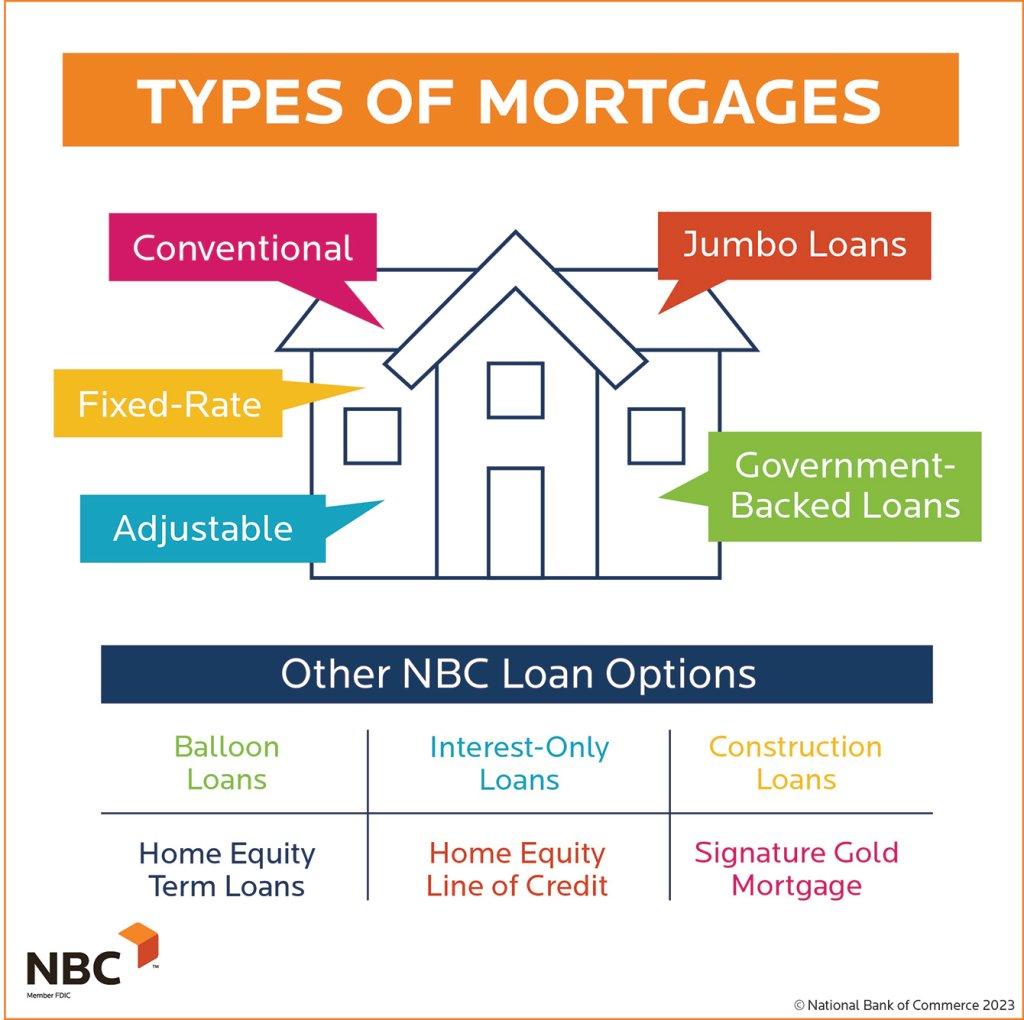
When navigating the complexities of home financing, understanding the various types of mortgage options available is crucial for prospective homeowners. Among these options, conventional mortgages and goverment-backed mortgages represent two distinct pathways, each with its own set of qualifications, benefits, and limitations. Conventional mortgages are typically offered by private lenders and operate independently of governmental guarantees, while government-backed mortgages, such as those insured by the Federal Housing Administration (FHA) or the Department of veterans Affairs (VA), provide certain protections to lenders and facilitate access to homeownership for specific borrower groups. This article aims to elucidate the key differences between these two types of mortgages,helping consumers make informed decisions that align with their financial situations and homeownership goals.
Table of Contents
- Understanding Conventional Mortgages and Their Features
- Exploring Government-Backed Mortgages and Their Unique Benefits
- Comparative Analysis of Eligibility Requirements and Application Processes
- Cost Implications: Interest rates, Down Payments, and insurance Considerations
- Key Takeaways
Understanding Conventional Mortgages and Their Features
Conventional mortgages are a popular choice for manny homebuyers, as they typically offer a range of features that cater to varying financial situations. one of the defining characteristics is that these loans are not insured or guaranteed by the federal government, which gives lenders more versatility in setting loan terms. Borrowers often enjoy the benefits of lower interest rates if they have strong credit scores, and also the possibility of avoiding private mortgage insurance (PMI) with a 20% down payment. Common features of a conventional mortgage include:
- Fixed or adjustable rates – Borrowers can choose between a stable fixed rate over the loan’s duration or an adjustable rate that may vary after an initial period.
- Down payment options – While a 20% down payment is standard for avoiding PMI, some lenders offer conventional loans with as little as 3% down.
- Loan limits – Conventional mortgages have maximum loan limits that can vary by location, which may impact the borrowing capacity.
Additionally, qualifying for a conventional mortgage typically involves a thorough examination of the borrower’s financial situation, including credit scores, debt-to-income ratios, and employment history. The loan approval process can be quicker than government-backed options, reflecting the lender’s autonomy in underwriting decisions. Below is a simple comparison of the essential features and requirements associated with conventional mortgages:
| Feature | Details |
|---|---|
| Minimum Credit Score | Usually 620 or higher |
| Down Payment | 3% to 20% based on loan type |
| Loan Types | Fixed-rate, Adjustable-rate |
| Mortgage Insurance | Required if down payment < 20% |
Exploring Government-Backed Mortgages and Their Unique Benefits
Government-backed mortgages offer distinct advantages that can make home financing more accessible for many borrowers. these loans, often insured or guaranteed by federal agencies such as the Federal Housing administration (FHA), the U.S. Department of Agriculture (USDA), and the Department of Veterans Affairs (VA), are designed to support individuals who may not qualify for traditional mortgages. One of the most importent benefits is the lower down payment requirement, allowing buyers to secure a home with as little as 3.5% down for FHA loans, or even 0% for VA and USDA loans. This feature is particularly beneficial for first-time homebuyers or those with limited savings.
Additionally, government-backed mortgages typically offer more flexible credit score requirements, making them a viable option for those with less-than-perfect credit histories. Borrowers with lower credit scores may still be able to secure favorable interest rates, which can translate into substantial savings over the life of the loan. To highlight these differences, consider the following comparison:
| Feature | conventional Mortgage | Government-Backed Mortgage |
|---|---|---|
| Down Payment | 5% – 20% | As low as 0% – 3.5% |
| Credit score Requirement | 700+ recommended | 580+ preferable (varies by program) |
| Mortgage Insurance | Required with less than 20% down | Required for FHA loans, but not for VA and USDA |
Comparative Analysis of Eligibility Requirements and Application Processes
When comparing conventional mortgages with government-backed options, the eligibility requirements frequently enough differ substantially. Conventional loans typically require a higher credit score, usually around 620 or higher, which demonstrates the borrower’s creditworthiness to lenders. In contrast, government-backed mortgages, such as FHA loans, can accommodate borrowers with credit scores as low as 580, or even 500 with a higher down payment. Additionally, conventional loans may also demand a more substantial down payment, often around 20% of the home’s purchase price, while FHA loans allow for down payments as low as 3.5%, making them accessible for first-time homebuyers.
The application process for these two types of mortgages also reveals significant distinctions. Conventional mortgage applications usually require more extensive documentation, including proof of income, asset verification, and detailed credit history. Conversely, government-backed loans may have a streamlined process, especially for FHA loans, which are designed to cater to lower-income individuals. This can include an easier path to securing approval due to more lenient guidelines. The following table summarizes these differences:
| Criteria | Conventional Mortgages | Government-Backed Mortgages (FHA) |
|---|---|---|
| Credit Score Requirement | 620+ | 580+ (500+ with larger down payment) |
| Minimum Down Payment | 20% | 3.5% |
| Documentation Needed | Extensive (income, assets, credit history) | Streamlined process for lower-income borrowers |
Cost Implications: Interest Rates, Down Payments, and Insurance Considerations
Understanding the financial implications when choosing between conventional and government-backed mortgages is crucial for any potential homeowner. Interest rates vary significantly between these two mortgage types. Conventional loans typically offer interest rates that are influenced by the borrower’s credit score and down payment, while government-backed loans, such as FHA, USDA, or VA loans, often come with fixed lower rates due to their government guarantees. This can lead to considerable savings over the life of the loan. Keep in mind that while conventional loans may allow for lower interest rates based on creditworthiness,they often require a higher credit score.
Down payment requirements also differ significantly, impacting the upfront costs for buyers. For example, conventional mortgages usually require a down payment of 5 to 20%, depending on the loan terms. In contrast, government-backed loans often allow for down payments as low as 3.5% for FHA loans,and even 0% for VA and USDA loans for eligible buyers. Moreover, insurance considerations play a vital role; conventional loans may necessitate private mortgage insurance (PMI) for down payments under 20%, while FHA loans mandate upfront mortgage insurance premiums and monthly premiums throughout the loan term. Thus, understanding these elements can assist buyers in making an informed decision.
Key Takeaways
understanding the key differences between conventional and government-backed mortgages is crucial for prospective homebuyers as they navigate the complexities of the housing market. Conventional mortgages, often characterized by their stricter credit requirements and down payment expectations, typically suit borrowers with stable financial backgrounds and a solid credit history. In contrast, government-backed loans, such as FHA, VA, and USDA loans, are designed to enhance accessibility for a broader range of applicants, particularly first-time buyers and those with lower credit scores or limited down payment capabilities.Each type of mortgage offers distinct advantages and potential drawbacks, making it essential for borrowers to carefully consider their financial situation, long-term goals, and eligibility.By making informed decisions based on a thorough understanding of these mortgage options, individuals can better position themselves to secure financing that aligns with their unique circumstances and aspirations. Engaging with a informed mortgage professional can further aid in this process, ensuring that borrowers choose the right path towards homeownership.