

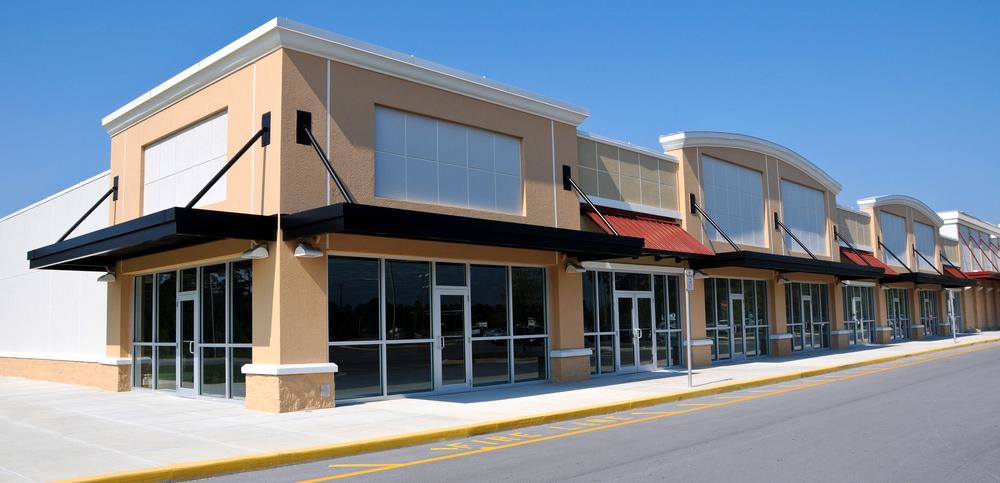
As the landscape of retail continues to evolve in the wake of rapid technological advancements, commercial real estate is facing an unprecedented transformation. The rise of e-commerce,once viewed as a complementary force to brick-and-mortar stores,has now emerged as a powerful disruptor,reshaping how businesses operate and consumers shop. This shift has resulted in noticeable changes in demand for retail spaces, leading industry stakeholders to reassess their strategies in order to stay relevant and competitive. In this article, we will delve into the multifaceted impact of e-commerce on commercial real estate, exploring how traditional shopping venues are adapting to new realities, the innovative approaches being implemented for revitalization, and what the future may hold for a sector that is both challenging and ripe with chance. Join us as we navigate this dynamic interplay between e-commerce and commercial real estate,uncovering insights that could inform yoru next investment or business decision.
Table of Contents
- Understanding the Shift: How E-Commerce is Reshaping Commercial Real Estate Dynamics
- Identifying Opportunities: Transforming Traditional Spaces for E-commerce Adaptability
- Strategic Recommendations: Investing in Versatile Properties for the E-Commerce Era
- Future Outlook: Navigating Trends That Will Define Commercial Real Estate Post-Pandemic
- The Conclusion
Understanding the Shift: How E-Commerce is Reshaping commercial Real Estate Dynamics
The rise of e-commerce has significantly transformed the landscape of commercial real estate. As retail businesses increasingly pivot to online platforms, traditional brick-and-mortar stores face challenges that compel landlords and property managers to rethink their strategies. The focus has shifted toward versatile spaces that cater to logistics, warehousing, and fulfillment centers. As an inevitable result, flexible leasing agreements and adaptive reuse of existing spaces have become critical in meeting market demands. This includes converting defunct retail locations into distribution hubs that can efficiently serve local e-commerce needs, reshaping the utility of physical storefronts in the process.
investors and developers are also gaining insights into consumer behavior patterns, which can directly influence property value and location desirability. In urban areas, the demand for last-mile delivery centers has surged, prompting developers to explore proximity solutions that enhance e-commerce efficiency. By understanding these emerging trends,stakeholders can seize opportunities to innovate and reposition offerings. below is a summary table showcasing the elements influencing commercial real estate due to the e-commerce boom:
| category | Impact |
|---|---|
| Retail Space | Increased vacancies as consumers shift to online shopping. |
| Logistics warehouses | Growing demand for fulfillment centers and last-mile delivery. |
| Lease Structures | Need for versatility and shorter terms to adapt quickly. |
| Urban Advancement | Transformation of unused properties into e-fulfillment sites. |
Identifying Opportunities: Transforming Traditional Spaces for E-Commerce Adaptability
as e-commerce continues to reshape consumer behavior, traditional commercial spaces must adapt to survive and thrive. Retailers are increasingly seeking flexible environments that can accommodate both physical shopping and online order fulfillment. The integration of click-and-collect stations,pop-up concepts,and experience-driven spaces allows businesses to create a seamless shopping journey that bridges the gap between online and physical presence. By reimagining existing storefronts, property owners have the chance to meet evolving consumer expectations while maximizing foot traffic.
Additionally,smart technology advancements present new opportunities for transforming underutilized areas. Utilizing data analytics, property managers can identify patterns in foot traffic and inventory needs, ultimately paving the way for tailored tenant mix strategies. Such as, the incorporation of interactive kiosks and augmented reality experiences can enhance customer engagement and broaden the array of services available at each location. The following table illustrates key transformations in traditional spaces:
| Traditional Feature | Transformed Feature | Benefit |
|---|---|---|
| Static Retail Storefront | Flexible Experience Hubs | Improved Customer Engagement |
| Standard Checkout Process | Mobile Payment Options | Streamlined Transactions |
| Single Use Spaces | Multi-Functional Areas | Diverse Revenue Streams |
Strategic Recommendations: Investing in Versatile Properties for the E-Commerce Era
To adapt to the global shift towards e-commerce, investors should prioritize properties that offer flexibility in usage. Future-proofing an investment means looking for spaces that can accommodate changing tenant demands and logistic needs. Properties such as industrial warehouses, flex spaces, and even mixed-use developments can serve multiple purposes, appealing to a broader range of tenants. With the rise of last-mile delivery, investors should consider locations with optimal transportation access to cater to businesses that require quick distribution capabilities. Additionally, incorporating technology-ready features can make these spaces even more attractive, allowing companies to streamline operations.
Another strategic avenue for investment lies in targeting urban areas experiencing a demographic shift. As more consumers embrace online shopping,the demand for local fulfillment centers has surged. Properties situated in high-traffic metro regions can convert from traditional retail to logistics hubs or hybrid spaces that support both retail and e-commerce activities. When evaluating potential investments, consider these key criteria:
- Accessibility: Proximity to major highways and urban centers
- Adaptability: Ability to convert space as needed
- Demand Trends: Analyzing local shopping patterns
- Technology Integration: Smart building features
| Property Type | Key Benefit | investment Potential |
|---|---|---|
| Warehouse | high demand for fulfillment | Rising rental yields |
| Flex Space | Versatile design | Attracts diverse tenants |
| Mixed-Use Development | Community-focused | Increased foot traffic |
Future Outlook: Navigating Trends That Will Define Commercial Real Estate Post-Pandemic
As we look toward the future of commercial real estate in a post-pandemic world, several pivotal trends are emerging that will redefine the landscape of the industry. The accelerating shift towards e-commerce continues to reshape demand for various property types, leading to an increasing focus on logistics and distribution centers. These facilities will need to be strategically located to facilitate swift delivery times, requiring investors and developers to rethink traditional models of urban planning and site selection. Furthermore, the integration of technology into property management—encompassing everything from tenant experience applications to advanced building automation systems—will become essential in enhancing operational efficiencies and tenant retention.
Moreover, the blend of remote work and flexible office solutions has ushered in a new era for office spaces. Property owners will have to adapt by offering flexible lease arrangements and reimagining the purpose of their buildings to accommodate hybrid work environments. Key considerations for success include:
- Flexible Spaces: Developing adaptable workspaces that can shift functions as needed.
- Health and Safety: Enhancing building designs with improved air filtration and social distancing considerations.
- Community Integration: Creating mixed-use environments that support work, leisure, and local commerce.
investors and stakeholders should remain vigilant and responsive to these trends, ensuring that their strategies align with changing consumer behaviors and preferences. By embracing innovation and sustainability, the commercial real estate sector has a unique opportunity to emerge stronger and more resilient in the face of ongoing challenges.
The Conclusion
As we navigate the uncharted waters of a post-pandemic world,it’s clear that e-commerce has not only reshaped consumer behavior but has also redefined the landscape of commercial real estate.The rapid growth of online shopping has forced property owners, investors, and developers to rethink their strategies and embrace innovation. From repurposing retail spaces to meet new demands,to integrating advanced logistics solutions,the commercial real estate sector is poised for a renaissance.
While challenges abound, the opportunity to revive and adapt is equally promising. By leveraging technology,understanding evolving consumer trends,and reimagining the use of physical spaces,stakeholders can unlock new value and create vibrant community hubs that resonate with today’s savvy shoppers. As we move forward, collaboration between traditional and digital realms will be key to ensuring that commercial real estate not only survives but thrives in this new era.
As we close our exploration of e-commerce’s impact on the commercial real estate market, we encourage you to stay informed and adaptable—after all, the only constant in real estate is change. let’s continue to observe, innovate, and grow in this dynamic landscape. Thank you for joining us on this journey; we look forward to sharing more insights as we delve into the evolving intersection of real estate and e-commerce in the future.