

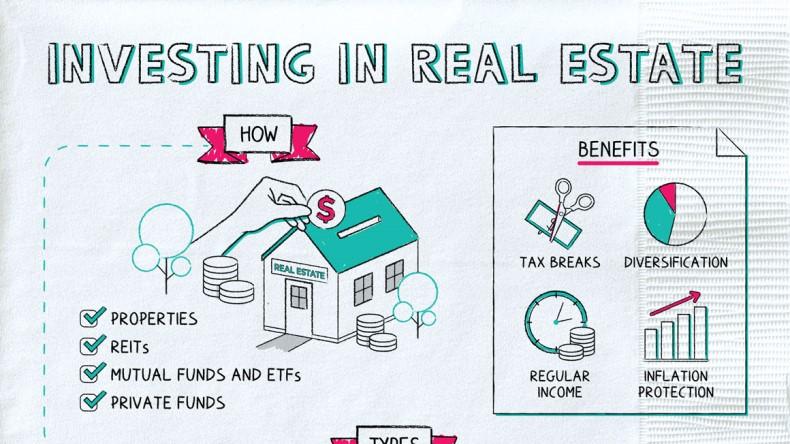
As the global economy continues to evolve, emerging markets are increasingly capturing the attention of investors seeking new opportunities for growth in the real estate sector. With shifting demographics, urbanization trends, and a burgeoning middle class, countries once considered high-risk are now evolving into lucrative landscapes for property investment. This article delves into the latest trends shaping the real estate market in these emerging economies, highlighting key factors such as regulatory changes, infrastructure development, and technological advancements that are driving interest.As investors navigate this dynamic terrain, understanding the unique challenges and rewards of real estate in emerging markets becomes paramount for those looking to diversify their portfolios and capitalize on this burgeoning sector. Join us as we explore the current landscape and what the future holds for real estate investment in these transformative regions.
Table of Contents
- Emerging Markets: Identifying High-Potential Regions for Real Estate Investment
- Understanding Economic Indicators and Their Impact on Property values
- sustainable Development: Aligning Investments with Environmental and Social Governance
- Navigating Regulatory Challenges: Best Practices for Investors in Emerging Markets
- In Summary
Emerging Markets: Identifying High-Potential Regions for Real Estate Investment
In recent years, several regions have emerged as focal points for real estate investment due to rapid economic development, shifting demographics, and urbanization trends. Southeast Asia,particularly countries like Vietnam and the Philippines,has shown substantial growth potential,driven by a burgeoning middle class and increasing foreign direct investment. Latin America, especially Colombia and Brazil, is also gaining investor interest as infrastructure improvements and governmental reforms create a more favorable business environment. These regions not only promise lucrative returns but also offer opportunities for diversification in global real estate portfolios.
Key factors contributing to the identification of these high-potential areas can include:
- Economic Growth Rate: countries showing GDP growth rates above 5% frequently enough indicate a booming real estate market.
- Urbanization Trends: A significant percentage of rural populations moving to urban centers suggests increased demand for residential and commercial spaces.
- Regulatory Environment: Nations with favorable laws for foreign investors create safer avenues for investment.
- Infrastructure Development: Ongoing projects in transportation and utilities can enhance property values.
Analyzing the successful track record of select regions aids investors in determining the best opportunities. Here’s a summary of promising markets:
| Region | Key Drivers | investment Type |
|---|---|---|
| Southeast Asia | Strong Economic Growth | Residential & Commercial |
| latin America | Infrastructure Improvements | Mixed-Use Developments |
| Sub-Saharan Africa | Urbanization | Hospitality & Retail |
Understanding Economic Indicators and Their Impact on Property Values
Economic indicators serve as vital tools for investors,particularly in emerging markets where property values are often influenced by a multitude of factors. Key indicators such as gross Domestic Product (GDP), unemployment rates, and inflation can provide insights into the health of an economy. For instance, a rising GDP usually signals robust economic growth, which can lead to increased demand for real estate and subsequently drive property values higher. Conversely, a spike in unemployment can lead to a decrease in consumer spending and lower demand for housing, negatively impacting property prices.
Along with traditional indicators, factors like foreign direct investment (FDI) and construction activity also play crucial roles in shaping real estate markets. Countries attracting significant FDI often experience substantial growth in infrastructure projects, which can elevate property values as new amenities and developments arise. Similarly, robust construction activity can hint at developers’ confidence in a market’s future and suggest potential gratitude in property values. Understanding these trends enables investors to make informed decisions that align with market cycles, maximizing their return on investment.
sustainable Development: Aligning Investments with Environmental and Social Governance
As global awareness surrounding environmental and social governance (ESG) continues to grow, investors are increasingly recognizing the importance of aligning their portfolios with sustainable development goals.This focus not only addresses ethical considerations but also mitigates risks associated with climate change and social inequality. As emerging markets evolve, real estate investments that prioritize sustainability can lead to resilient and profitable opportunities. Key trends shaping this landscape include:
- Green Building Certifications: Properties equipped with certifications like LEED or BREEAM not only attract tenants but also command higher rental rates.
- Renewable Energy Integration: Mixed-use developments incorporating solar or wind energy sources are gaining traction, providing cost benefits and reducing carbon footprints.
- Smart Technology Adoption: Implementation of IoT solutions for energy management enhances operational efficiency and appeals to tech-savvy investors.
moreover, investors must understand that aligning investments with ESG principles can lead to improved financial performance while contributing positively to communities. A strategic approach includes evaluating potential projects based on their social impact, environmental sustainability, and governance practices. The following table illustrates the critical ESG factors to consider when investing in real estate within these markets:
| ESG Factor | Description | Potential Impact |
|---|---|---|
| Environmental Regeneration | Restoration of ecosystems during new developments | Enhanced biodiversity and ecosystem services |
| Community Engagement | Involving local populations in decision-making | Stronger community ties and reduced resistance to projects |
| Clarity and accountability | Clear reporting and adherence to regulations | Increased trust and investor confidence |
Navigating Regulatory Challenges: Best Practices for Investors in Emerging Markets
Investors venturing into emerging markets must develop a robust framework to address potential regulatory challenges. Understanding local laws and regulations is critical, as these can differ substantially from one country to another. Adopting a proactive approach to due diligence can mitigate risks associated with sudden regulatory changes. Key strategies include:
- Engaging local legal counsel to interpret complex regulations
- establishing strong relationships with government officials and regulatory bodies
- Staying informed on policy shifts that could impact real estate holdings
Furthermore, investors should be strategic in their selection of markets, focusing on those with a clear and stable regulatory environment that supports foreign investment. This can be assessed through measuring transparency and the efficiency of the regulatory framework. To help investors visualize this, the following table highlights some emerging markets along with their regulatory maturity scores:
| Country | Regulatory Maturity Score (1-10) |
|---|---|
| Brazil | 7 |
| Vietnam | 6 |
| Nigeria | 4 |
| India | 5 |
| Mexico | 8 |
By utilizing these best practices, investors in emerging real estate markets can better navigate obstacles and seize opportunities that align with their growth objectives.
In Summary
As we conclude our exploration of the burgeoning potential in emerging markets, it is clear that investing in real estate opens up a world of opportunities for those willing to navigate the complexities of these dynamic regions. With rapid urbanization, evolving infrastructure, and a burgeoning middle class, emerging markets are poised to offer robust returns for savvy investors. However, prospective stakeholders must remain vigilant, continuously adapting strategies to accommodate local regulations, market fluctuations, and socio-economic changes.
The trends highlighted in this article not only underscore the resilience of the real estate sector but also signal the importance of thorough research and local partnerships. By staying informed and responsive to the unique characteristics of each market, investors can harness the transformative potential of these environments.
as we look to the future, it is indeed evident that the success of real estate ventures in emerging markets will hinge on recognizing both the challenges and opportunities that lie ahead. For investors ready to embark on this journey, the time to engage is now—secure the competitive edge, and watch your investments flourish in regions ripe for growth.