

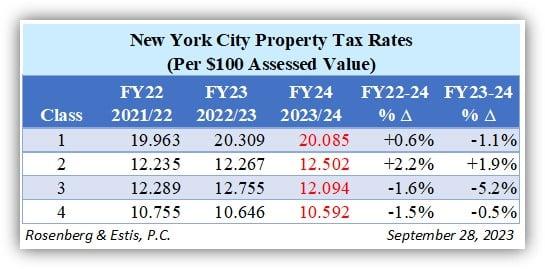
introduction
As urban landscapes continue to evolve and economies fluctuate, property tax rates remain a pivotal factor influencing the real estate market. Understanding these rates is essential not only for property owners and investors but also for prospective buyers and policymakers. This article seeks to explore the intricacies of property tax rates, examining their formulation, variations across different jurisdictions, and the implications they hold for real estate dynamics. By delving into the relationship between property taxes and market trends, we aim to illuminate how these rates shape not only individual financial decisions but also broader economic outcomes. Through careful analysis, we hope to provide valuable insights for stakeholders navigating the complexities of property ownership and investment in today’s multifaceted landscape.
Table of Contents
- Understanding the Fundamentals of Property Tax Rates and Their calculation
- Examining the Relationship Between Property Tax Rates and Real Estate Market Trends
- Evaluating the Impact of Property Tax Rates on Homebuyers and Investors
- Strategies for Navigating Property Tax Implications in Real Estate Transactions
- The Conclusion
Understanding the Fundamentals of Property Tax Rates and Their Calculation
Understanding property tax rates requires a grasp of key components typically involved in their calculation. These rates are often determined by local governing bodies and are influenced by various factors such as property value, local budgetary needs, and state laws.In essence, the calculation process can be broken down into a few essential steps:
- Assessment of Property Value: Each property is assessed to determine its market value, which can fluctuate based on improvements, location, and market demand.
- Setting the Tax Rate: Local governments establish a tax rate, expressed as a percentage or a mill rate (amount per $1,000 of assessed value), that reflects the required revenue to fund municipal services.
- Submission of Exemptions: Various exemptions, such as homestead or senior citizen exemptions, can reduce the taxable value of the property.
Once the property value and tax rate have been established, calculating property tax becomes a straightforward arithmetic operation:
| Property Value | Tax Rate | tax Calculation |
|---|---|---|
| $300,000 | 1.25% | ($300,000 * 0.0125) = $3,750 |
| $450,000 | 1.5% | ($450,000 * 0.015) = $6,750 |
This simplified example illustrates how property tax is computed and underscores the importance of knowing both your property’s assessed value and the local tax rate to anticipate fiscal obligations effectively.
Examining the Relationship Between Property Tax Rates and Real Estate Market Trends
Understanding the dynamics between tax policies and real estate markets is crucial for investors, homeowners, and policymakers alike. Property tax rates often considerably influence buyers’ decisions,as higher taxes can deter potential homeowners,thereby impacting demand. This effect can also ripple through the rental market; as landlords pass on costs to tenants, properties in high-tax regions may see reduced rental activity. Conversely, lower tax rates may attract buyers and investors, stimulating market activity and possibly leading to appreciation in property values.
Additionally, the relationship between tax rates and market trends can be illustrated through a variety of factors, including but not limited to:
- Economic Growth: Areas with rapidly growing economies may sustain high property tax rates while continuing to attract investors.
- Public services: Increased property taxes may correlate with improved public services,thereby making a region more desirable.
- Market Stability: Stable tax environments are often preferred, as unexpected tax hikes can lead to market volatility.
To illustrate the correlation between property tax rates and market performance, the following table summarizes trends observed over the past year in selected regions:
| Region | Average Property Tax rate (%) | Average Home Price ($) | Annual Property Value Increase (%) |
|---|---|---|---|
| Region A | 1.2 | 350,000 | 5.0 |
| Region B | 2.5 | 280,000 | 2.0 |
| Region C | 1.8 | 400,000 | 6.5 |
Evaluating the Impact of Property Tax Rates on Homebuyers and Investors
Property tax rates play a crucial role in shaping the decisions made by both homebuyers and investors in the real estate market. For homebuyers, higher property tax rates can significantly influence affordability, affecting the overall monthly payment and ultimately the budget for purchasing a home. Many potential buyers consider the following factors:
- Monthly mortgage payments adjusted for tax rates
- Long-term financial implications of homeownership
- Comparative analysis of property taxes in different neighborhoods
On the investor side, property tax rates can directly affect return on investment (ROI). Investors often assess how property taxes impact their cash flow and profitability. A higher tax rate might deter some investment opportunities; though, investors seeking rental properties may factor in potential tax deductions. To illustrate the relationship between tax rates and investment decisions, consider the following table:
| Location | Property tax Rate (%) | Estimated Annual ROI (%) |
|---|---|---|
| City A | 1.2 | 8.5 |
| City B | 2.5 | 6.0 |
| City C | 1.8 | 7.8 |
Strategies for Navigating Property Tax Implications in Real Estate Transactions
Effectively navigating property tax implications during real estate transactions requires a thorough understanding of local tax regulations. Buyers and sellers should begin by researching property tax rates within the area where the transaction takes place. This knowledge can significantly impact investment decisions. It’s advisable to consider the following strategies:
- Consulting a Tax advisor: Engage professionals who can provide insights specific to your situation.
- Reviewing Assessments: Always check if the property’s assessed value aligns with its market value to avoid overpayment.
- Understanding Deductions: Familiarize yourself with potential deductions available, particularly for investment properties.
- Considering Future Tax Liabilities: Analyze any anticipated changes in tax rates that may affect long-term financial planning.
In addition to the above strategies, it’s wise to leverage local resources such as government websites and property tax records for accurate details. Utilizing a structured approach can help in forecasting tax obligations and thus prevent surprises later. Understanding how property taxes are calculated is equally vital. For your reference, here is a simple breakdown of standard property tax elements:
| Element | Details |
|---|---|
| Assessed Value | Percentage of market value determined by local assessors. |
| Tax Rate | Varies by jurisdiction; often expressed in mills (tax per $1,000 of assessed value). |
| Exemptions | Potential deductions for certain properties or owners (e.g., veterans, seniors). |
| Appeal Process | Allows property owners to challenge their assessment if deemed too high. |
The Conclusion
the exploration of property tax rates and their impact on real estate underscores the complex interplay between taxation and housing markets. As jurisdictions continue to adjust their tax policies in response to economic fluctuations and community needs, it is crucial for both current and prospective property owners to remain informed about these factors. Understanding how tax rates influence property values, affordability, and market dynamics can empower stakeholders to make more informed decisions.
As we navigate the ever-evolving landscape of real estate, it is indeed essential to recognise that property taxes are not merely legal obligations but meaningful determinants of the broader market habitat. By considering the implications of these rates, we can better anticipate changes in property markets and advocate for policies that promote enduring growth and community well-being.
Thank you for engaging with this critical topic. We encourage readers to stay informed and actively participate in discussions around property taxes, as they play a vital role in shaping the future of real estate and our communities at large.