

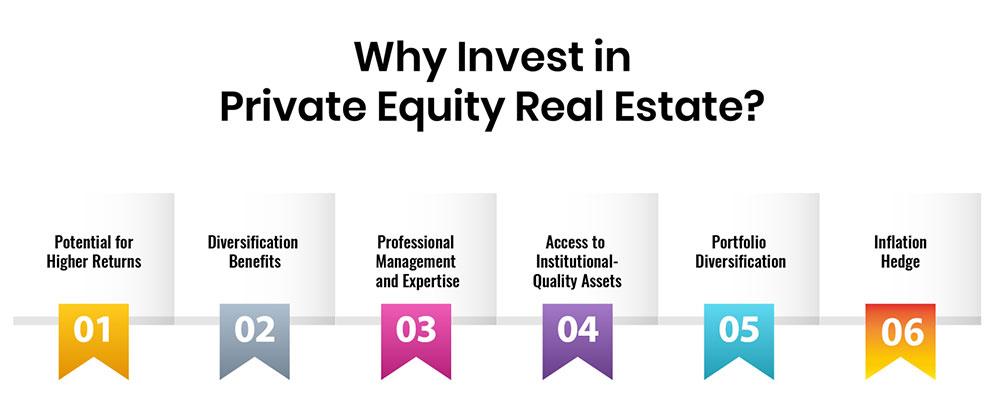
Introduction: Unlocking the Power of Equity in Real Estate Investments
In the dynamic world of real estate investing, understanding and building equity is not just a financial strategy—it’s a pathway to long-term wealth and stability. As property values fluctuate and market trends evolve, the ability to cultivate equity can be the distinguishing factor between a successful investment and a missed opportunity. Whether you are a seasoned investor or a newcomer exploring the real estate landscape, there are pivotal strategies that can help you maximize your investment potential. This article will delve into actionable techniques and insightful tips designed to enhance your equity position in real estate investments. From leveraging financial tools to strategic property enhancements, we will equip you with the knowledge to navigate the complexities of the market and build a robust portfolio that stands the test of time. Join us as we explore the art and science of building equity in your real estate ventures!
Table of Contents
- Understanding Market Trends and Their Impact on Equity Growth
- Leveraging Financing Options for Maximum Investment Returns
- Diversifying Property Types to Enhance Equity and Minimize Risk
- Implementing Active Management Strategies for Increased Property Value
- Closing Remarks
Understanding Market Trends and Their Impact on Equity Growth
Having a firm grasp on market trends is essential for investors aiming to build equity in real estate. Understanding how factors such as economic conditions, interest rates, and demographic shifts influence property values can significantly enhance investment strategies. For instance, an increase in population density in urban areas typically leads to greater demand for housing, pushing property prices and rental rates higher. Investors should focus on the following key trends that can impact equity growth:
- Location Preferences: Shifts towards suburban living or urban redevelopment can affect demand.
- Interest Rates: Fluctuations can influence mortgage affordability and overall market health.
- Technological Developments: Smart home technology is becoming increasingly desirable for buyers and renters.
Moreover, evaluating historical data and emerging trends through comprehensive market analysis can pave the way for smarter investments. Keeping an eye on local real estate forecasts and understanding seasonal market fluctuations are integral. A simple comparison of equity growth rates can illustrate this dynamic:
| Year | Equity Growth Rate (%) |
|---|---|
| 2021 | 5.2 |
| 2022 | 7.8 |
| 2023 | 4.5 |
This table reflects how equity growth can vary year over year, emphasizing the importance of staying informed and adaptable in strategy as market dynamics continue to evolve. By leveraging these insights, investors can strategically position themselves to capitalize on opportunities that accelerate equity growth in their real estate portfolios.
Leveraging Financing Options for Maximum Investment Returns
In the dynamic landscape of real estate investment, utilizing various financing options can significantly amplify your returns and build wealth more effectively. By diversifying your sources of funding, you can ease cash flow constraints and allow for greater flexibility in your investment approach. For instance, consider leveraging traditional mortgages, which can help you acquire properties with minimal upfront investment. Additionally, exploring private lenders or hard money loans may provide swifter capital access, enabling you to act quickly on lucrative deals without the lengthy approval process typical of banks.
Moreover, incorporating creative financing strategies can further enhance your investment potential. Here are a few options to consider:
- Partnerships – Collaborate with other investors to pool funds and share risk.
- Seller financing – Negotiate with sellers to finance a portion of the purchase, reducing initial costs.
- Lease options – Secure a lease with an option to buy, allowing time to gather funds or improve property value.
Utilizing these methods not only increases your purchasing power but also helps in building a robust real estate portfolio that can withstand market fluctuations.
Diversifying Property Types to Enhance Equity and Minimize Risk
Investing in a diverse array of property types is a strategic approach to not only enhance equity but also to diminish the inherent risks associated with real estate markets. By spreading investments across various categories such as residential, commercial, industrial, and vacation properties, investors can tap into different revenue streams and capitalize on market fluctuations. Each property type often responds uniquely to economic shifts; for instance, while residential properties may appreciate during economic booms, commercial real estate can offer stability during downturns, providing a buffer against volatility.
Moreover, diversifying property types enables investors to capitalize on niche markets and emerging trends. For instance, incorporating short-term rental properties can yield higher returns in tourist-heavy areas, while investing in multifamily units caters to the growing demand for affordable housing. To effectively manage and track these investments, consider utilizing a table to summarize your portfolio’s composition and performance:
| Property Type | Current Value | Expected Annual ROI |
|---|---|---|
| Residential | $350,000 | 4% – 6% |
| Commercial | $500,000 | 8% – 10% |
| Industrial | $750,000 | 5% – 7% |
| Vacation Rental | $300,000 | 10% – 12% |
Implementing Active Management Strategies for Increased Property Value
Active management strategies are essential for property owners looking to maximize their investments and enhance property value over time. By adopting a proactive approach, investors can not only improve the physical condition of their properties but also increase their appeal in the competitive real estate market. Key tactics include:
- Regular Maintenance: Implementing a schedule for routine inspections and upkeep to prevent costly repairs down the line.
- Tenant Engagement: Fostering positive relationships with tenants through communication and prompt responses to concerns, which can lead to increased tenant retention.
- Market Analysis: Continuously evaluating local market trends to identify opportunities for rent increases or enhancements that meet tenant demands.
Additionally, incorporating technology can streamline property management processes and improve tenant experiences. Utilizing property management software enables efficient tracking of maintenance requests and rental payments, thereby reducing vacancies and enhancing cash flow. Implementing smart home technologies can also provide modern conveniences that attract high-quality tenants. Consider the following enhancements:
| Enhancement | Benefits |
|---|---|
| Energy-Efficient Appliances | Lower utility bills; attracts eco-conscious tenants |
| Smart Locks | Improved security; convenient access for tenants |
| High-Speed Internet | Essential for remote workers; increases property desirability |
Closing Remarks
As we conclude our exploration of strategies for building equity in real estate investments, it’s essential to recognize that the journey is as much about knowledge and strategy as it is about patience and resilience. Whether you’re a seasoned investor or just starting, applying these principles can empower you to make informed decisions and foster growth in your portfolio.
Remember, building equity is not just a one-time effort; it’s a continuous process that requires attention, adaptability, and a willingness to learn from both successes and setbacks. Stay proactive in assessing your investments, stay informed about market trends, and always keep an eye on opportunities for improvement.
By leveraging the strategies we’ve discussed, from enhancing property value through smart renovations to understanding financing options that maximize your returns, you can create a solid foundation for long-term wealth creation.
The real estate landscape is constantly evolving, and with it, the potential for equity growth. As you implement these strategies, don’t hesitate to seek advice from industry professionals, engage with your local real estate community, and keep educating yourself.
Thank you for joining us on this journey into building equity in real estate investments. We encourage you to share your experiences and insights in the comments below, and as always, keep striving for your investment goals. Happy investing!