

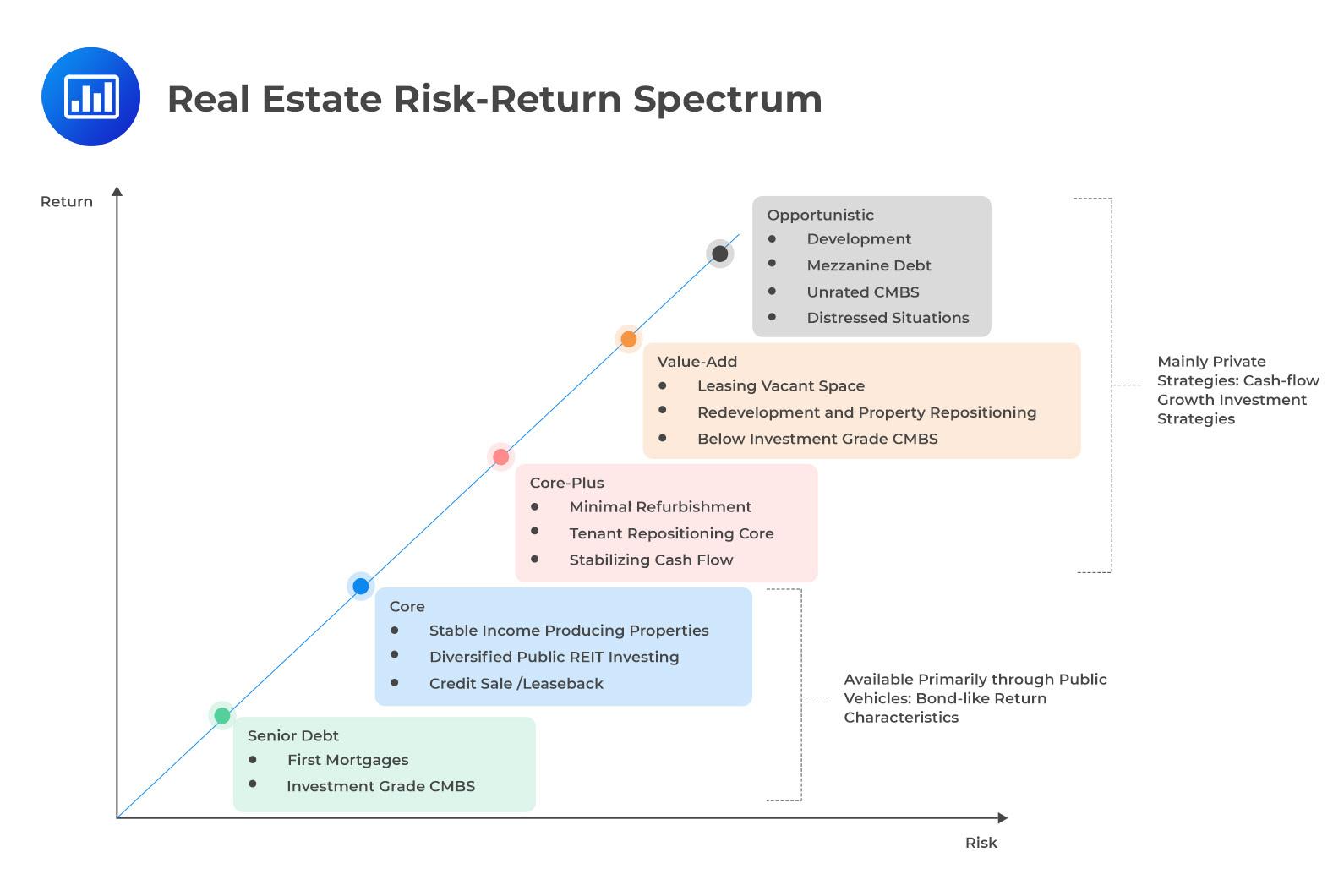
In the ever-evolving landscape of real estate, market volatility can present both daunting challenges and ripe opportunities for savvy investors. As economic fluctuations, interest rates, and demographic shifts redefine the industry, understanding how to navigate these turbulent waters is essential for capitalizing on potential gains while mitigating risks. Whether you’re a seasoned investor or just starting your real estate journey, embracing smart investment strategies tailored to current market conditions can be a game changer. In this article, we’ll explore effective approaches to thrive amidst uncertainty, from leveraging data-driven insights to diversifying your portfolio. Join us as we delve into tactics that not only protect your investments but also position you for success in a dynamic market.
Table of Contents
- Navigating Market Fluctuations with Data-Driven Insights
- Diversifying Your Portfolio to Mitigate Risk in Uncertain Times
- Leveraging Technology and Analytics for Smart Decision-Making
- Adapting Investment Strategies for Long-Term Growth and Stability
- In Retrospect
Navigating Market Fluctuations with Data-Driven Insights
In an unpredictable real estate market, understanding the nuances of market dynamics is essential for making informed investment decisions. By leveraging data analytics, investors can identify potential risks and opportunities that surface during fluctuations. Some key factors to analyze include:
- Market Trends: Monitor historical price movements and future projections.
- Location Analytics: Assess neighborhood demand, infrastructure development, and zoning changes.
- Economic Indicators: Keep an eye on employment rates, inflation, and interest rate shifts that impact housing demand.
Utilizing these data-driven insights allows investors to craft strategies that align with current market conditions. For instance, diversifying portfolios to include properties in various stages of development or exploring alternative investment avenues such as Real Estate Investment Trusts (REITs) can cushion against volatility. A comparative analysis of asset classes is crucial, as shown in the table below:
| Asset Class | Potential Returns | Risk Level |
|---|---|---|
| Residential Real Estate | Moderate to High | Medium |
| Commercial Real Estate | High | High |
| REITs | Moderate | Low to Medium |
By understanding the risks associated with each asset class and harnessing comprehensive market data, investors can better navigate fluctuations and optimize their investment strategies. This proactive approach helps not only to mitigate risks but also to uncover new opportunities that might otherwise go unnoticed in a volatile market.
Diversifying Your Portfolio to Mitigate Risk in Uncertain Times
In the face of fluctuating markets, it becomes crucial for investors to adopt a multifaceted approach when allocating their resources. By diversifying your investments across various asset classes, such as residential properties, commercial real estate, and REITs (Real Estate Investment Trusts), you can minimize the impact of adverse market conditions. This strategy not only spreads risk but also takes advantage of different market cycles, ensuring that while one sector may be struggling, others can provide stability and growth. Key areas to consider for diversification include:
- Geographic Location: Invest in properties in different regions to shield yourself from localized economic downturns.
- Property Types: Diversifying among single-family homes, multi-family units, and commercial properties can yield a balanced portfolio.
- Investment Structures: Explore options like private equity real estate funds and crowdfunding platforms for additional layers of diversification.
Additionally, understanding market trends and economic indicators is essential for making informed investment decisions. Analyzing metrics such as job growth, population trends, and urban development can help identify promising opportunities. To put this into perspective, consider the following table examining recent performance indicators of various property types:
| Property Type | Average ROI (%) | Market Volatility (1-10) |
|---|---|---|
| Residential | 6.2 | 4 |
| Commercial | 8.5 | 6 |
| REITs | 7.0 | 5 |
By continuously assessing your portfolio and remaining agile in your investment choices, you can effectively navigate the unpredictable waters of the real estate market while protecting your assets from potential downturns.
Leveraging Technology and Analytics for Smart Decision-Making
In today’s fast-paced real estate market, integrating technology with data analytics has become vital for investors looking to navigate volatility. Advanced tools, such as property management software and market trend analysis platforms, provide invaluable insights into market behavior. By utilizing predictive analytics, investors can anticipate price fluctuations and identify lucrative opportunities before they become apparent to the broader market. This data-driven approach allows for a more proactive strategy, reducing the risks associated with impulsive decision-making.
Moreover, the implementation of geospatial analytics enables real estate professionals to evaluate location-based trends that aren’t immediately visible through traditional analysis. Leveraging big data empowers investors to assess factors such as economic indicators, demographic shifts, and neighborhood desirability. When combined with real-time market monitoring, this technology can help form a clearer picture of investment potentials. Here are key technologies that can bolster smart investment strategies:
- Machine Learning Algorithms – For pattern recognition in historical price data.
- Cloud-Based Platforms – Facilitating collaborative data analysis across geographies.
- CRM Systems – Enhancing client relationship management through data insights.
- Virtual Reality – Offering immersive property tours to understand market positioning.
Adapting Investment Strategies for Long-Term Growth and Stability
In the ever-changing landscape of real estate, it is crucial to recalibrate investment tactics to foster growth while ensuring stability. One effective approach is to diversify portfolios across various property types and geographic regions. This can mitigate risks associated with market volatility and fluctuating property values. Consider implementing strategies such as:
- Investing in multi-family units: These properties often provide consistent rental income, reducing reliance on the fluctuations of single-family home markets.
- Exploring commercial real estate: Opportunities in retail spaces or office buildings can yield higher returns and longer lease terms than residential properties.
- Incorporating REITs: Real Estate Investment Trusts offer a way to invest in property without direct ownership, providing liquidity and diversification.
Additionally, staying informed about macroeconomic factors can play a vital role in shaping investment strategies. Understanding interest rates, employment trends, and local market data allows investors to make educated decisions. Implementing adaptive strategies might include:
| Strategy | Rationale |
|---|---|
| Utilizing cost-effective renovations | Enhances property value and attracts quality tenants. |
| Establishing emergency funds | Provides financial cushioning during downturns or unexpected expenses. |
| Engaging with local real estate experts | Offers insights into market trends and investment opportunities. |
In Retrospect
As we conclude our exploration of smart investment strategies in the face of real estate market volatility, it’s clear that adapting to changing conditions is not just beneficial; it’s essential. With a proactive approach and a keen understanding of market dynamics, investors can not only weather the storms of uncertainty but also uncover unique opportunities that others might overlook.
By diversifying your portfolio, leveraging technology, and maintaining a long-term perspective, you can position yourself to thrive, regardless of market fluctuations. Remember, every market cycle brings its own set of challenges and opportunities; staying informed and agile is your best defense against volatility.
As you embark on your investment journey, keep these strategies in your toolkit, and don’t hesitate to revisit them as market conditions evolve. The ability to pivot, adjust, and innovate will be your greatest asset, empowering you to make informed decisions that lead to sustained growth and success in the real estate arena.
Thank you for joining us on this deep dive into investment strategies for a dynamic market. Stay tuned for more insights and guidance as we continue to navigate the exciting world of real estate together!