

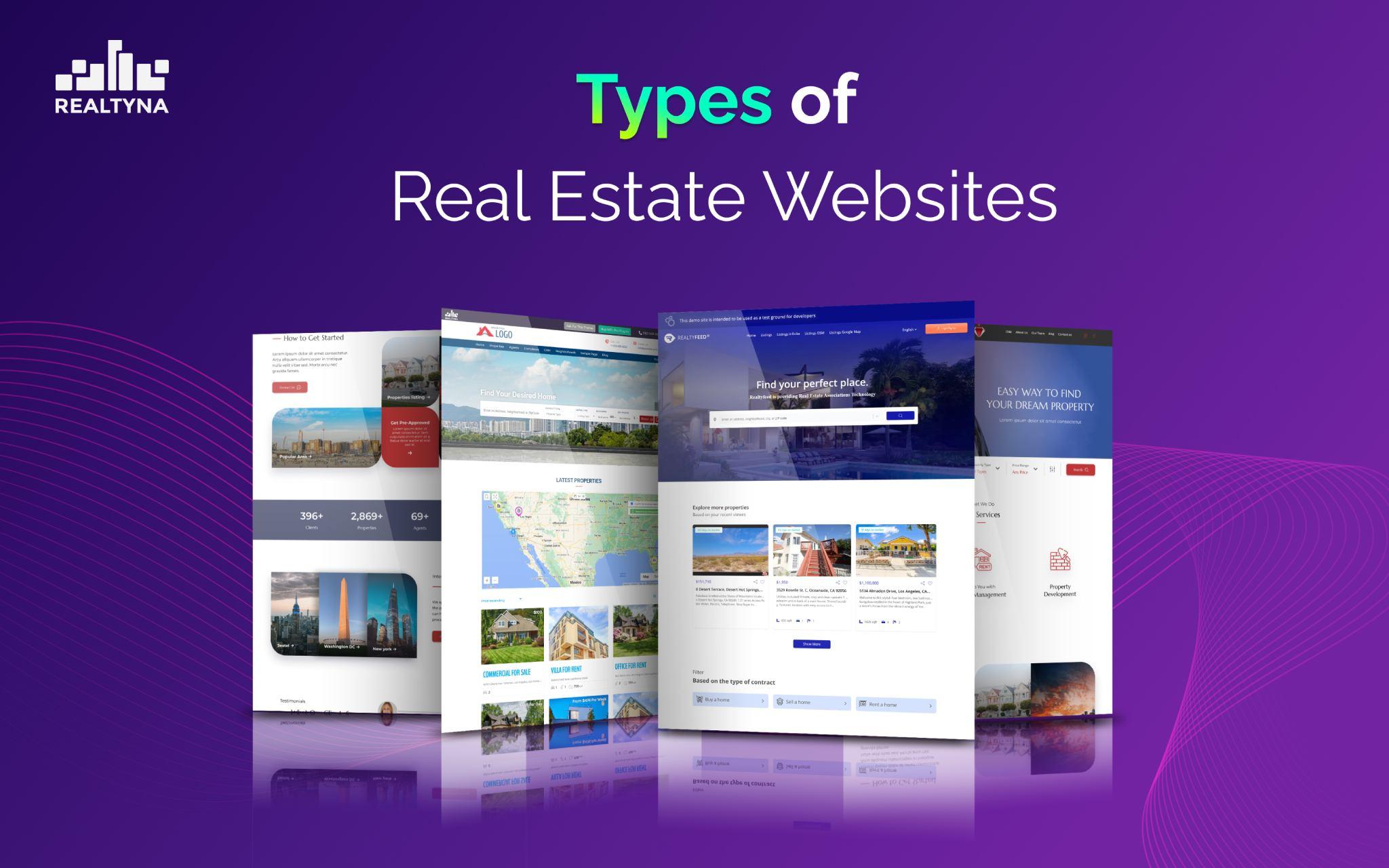
In today’s digital age, establishing a formidable online presence is paramount for any real estate professional seeking to thrive in a competitive market. A well-designed website serves not only as a digital storefront but also as a powerful marketing tool that can elevate your brand, attract potential clients, and streamline operations. However, creating an effective real estate business website requires careful planning and execution. In this article, we will outline the essential steps to help you build a robust and engaging website that not only showcases your property listings and services but also enhances your credibility and fosters client relationships. Whether you are a seasoned agent or a new entrepreneur, these foundational elements will guide you in crafting a compelling online platform that resonates with your target audience and drives business growth.
Table of Contents
- Choosing the Right Domain Name for Your Real Estate Website
- Designing a User-Friendly Interface that Engages Visitors
- Implementing Essential Features to Enhance Functionality
- Optimizing for Search Engines to Boost Online Visibility
- Wrapping Up
Choosing the Right Domain Name for Your Real Estate Website
When selecting a domain name for your real estate website, it’s important to prioritize clarity and memorability. A strong domain should clearly convey your business’s focus, allowing potential clients to understand at a glance what services you provide. Consider incorporating keywords that reflect your niche, such as “realestate,” “homes,” or the specific locations you serve. Additionally, keep your domain name short, preferably under 15 characters, to ensure it’s easy to type and remember. Here are some tips to consider:
- Avoid Hyphens and Numbers: These can often confuse users and complicate the domain name.
- Choose a .com Extension: This is the most recognized and trusted extension, enhancing your website’s credibility.
- Check Availability: Use domain registration services to confirm that your chosen name isn’t already taken.
To further streamline your decision, you can create a shortlist of potential domain names and evaluate their effectiveness using a simple table. This can help you weigh their advantages against each other and ultimately select the best option.
| Domain Name | Memorability | Relevance | Availability |
|---|---|---|---|
| BestHomesNY.com | High | High | Available |
| NYRealEstate101.com | Medium | High | Not Available |
| CozyNestNY.com | High | Medium | Available |
Designing a User-Friendly Interface that Engages Visitors
Creating an engaging website for your real estate business begins with a user-friendly interface that invites visitors to explore. By prioritizing ease of navigation, potential clients can quickly find the listings, services, and information they seek. Key elements to consider include:
- Intuitive Menu Structure: Ensure the navigation menus are clearly labeled and logically organized to improve user experience.
- Responsive Design: Optimize your site for mobile devices, allowing users to browse properties seamlessly on smartphones and tablets.
- Clear Call-To-Action Buttons: Use prominent buttons that guide users toward scheduling a viewing, contacting you, or subscribing to newsletters.
Additionally, integrating visual appeal through high-quality images and engaging content can significantly enhance visitor engagement. A well-structured layout not only highlights property details but also includes user testimonials and informative articles that add value. Consider implementing:
| Feature | Benefit |
|---|---|
| Image Galleries | Showcase properties attractively, encouraging potential buyers to take action. |
| Search Filters | Allow users to refine their search criteria, making it easier to find their ideal home. |
| Live Chat Option | Provide immediate assistance and build rapport with visitors, enhancing customer service. |
Implementing Essential Features to Enhance Functionality
To create a successful real estate website, it’s crucial to incorporate features that facilitate user interaction and streamline the property search process. Start by integrating advanced search filters that allow potential buyers to refine their listings based on location, price range, property type, and other essential criteria. Additionally, a user-friendly property listing with high-quality images, virtual tours, and detailed descriptions will enhance the browsing experience, making it easy for clients to find exactly what they are looking for.
Another valuable feature is the inclusion of a responsive design that ensures your site functions seamlessly across all devices. This enhances accessibility and improves user engagement. Moreover, consider implementing a content management system (CMS) that allows for easy updates and management of property listings and blogs. Including a contact form and live chat support can significantly boost customer satisfaction, providing immediate assistance to prospective clients. Below is a simple overview of these features:
| Feature | Benefit |
|---|---|
| Advanced Search Filters | Helps users find properties quickly |
| User-Friendly Listings | Enhances engagement with rich content |
| Responsive Design | Improves mobile user experience |
| Content Management System | Simplifies updates and management |
| Contact Form & Live Chat | Boosts customer satisfaction and support |
Optimizing for Search Engines to Boost Online Visibility
To enhance your real estate website’s visibility, it’s crucial to implement effective search engine optimization (SEO) strategies. Begin by conducting keyword research to identify terms that potential clients use when searching for properties. Focus on incorporating these keywords naturally into your content, including headings, meta descriptions, and image alt texts. Pay particular attention to local SEO, as many real estate inquiries are location-specific. Use tools like Google My Business to ensure your listings appear in local searches, enhancing your reach within the community.
Furthermore, optimize your website’s user experience to keep visitors engaged and reduce bounce rates. Fast loading speeds and mobile responsiveness are critical elements, as they not only improve search rankings but also enhance customer satisfaction. Consider implementing structured data markup to help search engines better understand your content and ideally, present rich snippets in search results. Here are some important on-page elements to focus on:
| On-Page SEO Elements | Description |
|---|---|
| Title Tags | Include targeted keywords while retaining brand identity. |
| Meta Descriptions | Craft compelling summaries that encourage clicks. |
| Header Tags | Structure content hierarchically, using H1, H2, and H3 tags. |
| Image Optimization | Add descriptive alt text for better search visibility. |
Wrapping Up
establishing a robust online presence is vital for the success of your real estate business in today’s digital landscape. By meticulously following the essential steps outlined in this article, you can create a professional and engaging website that not only showcases your property listings but also reflects your brand’s unique identity.
Remember, a well-structured website serves as a powerful marketing tool, aiding in lead generation and client retention. As you implement the strategies discussed, remain adaptable and open to evolving trends in web design and consumer preferences.
Investing time and resources into your website will pay dividends in building credibility and establishing a strong connection with potential clients. Start today, and position your real estate business for long-term growth and success in the competitive market. Your digital footprint is just a click away—seize the opportunity to make it exceptional.