

Introduction:
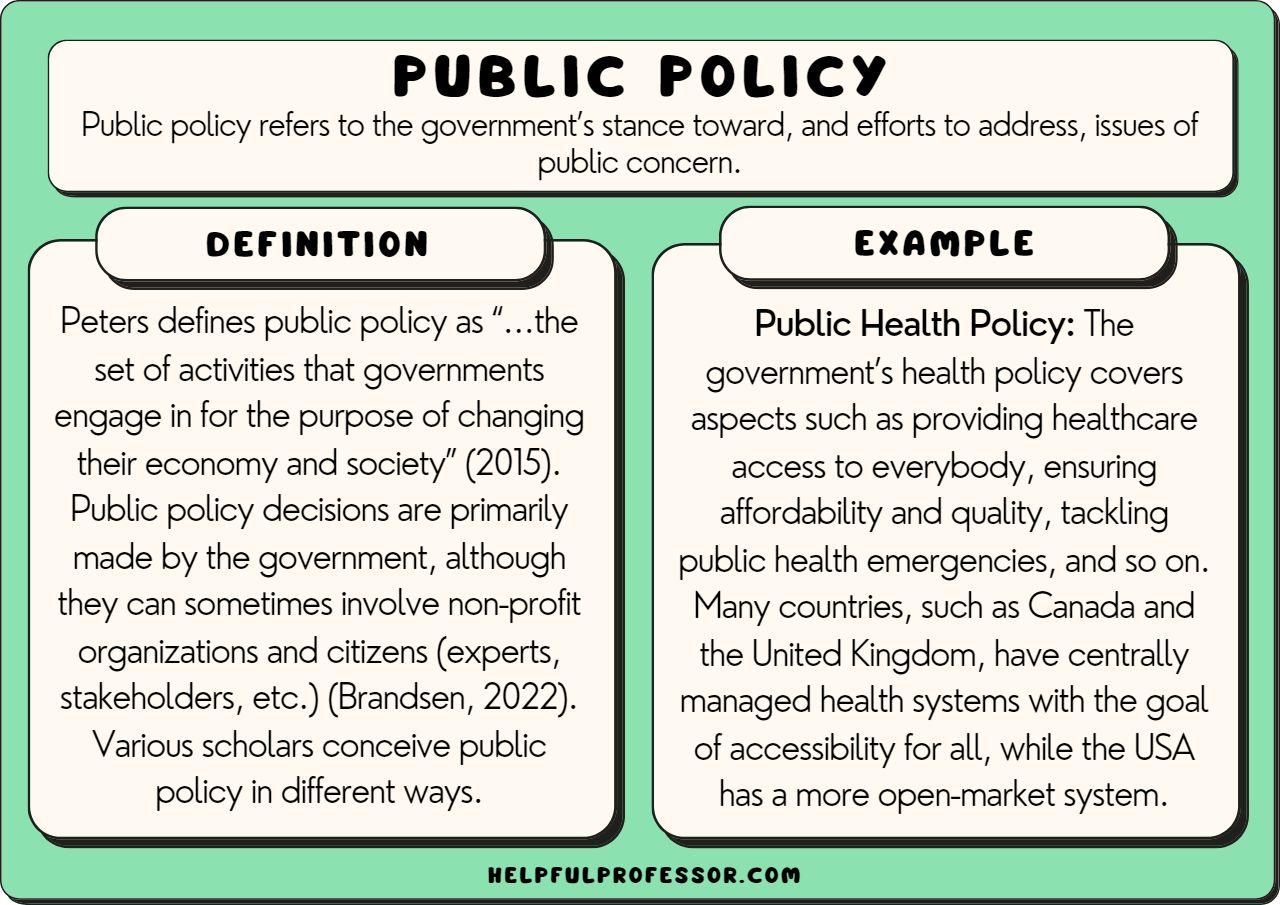
As the global economy grapples with ongoing changes and challenges, the real estate market remains a critical barometer of economic health and stability. Government policies play a pivotal role in shaping this dynamic sector, influencing everything from property values to construction trends and buyer behaviour. In recent years, a series of legislative initiatives aimed at stimulating growth, enhancing affordability, and addressing environmental concerns have left an indelible mark on real estate markets across the globe. this article explores the multifaceted impact of such government policies on real estate trends, examining the balance between regulatory measures and market forces, and assessing how these interactions define the landscape for investors, homeowners, and urban developers alike. As we delve into the nuances of policy-driven changes, we aim to provide a thorough overview of the current state of the market and forecast potential future developments in an ever-evolving environment.
Table of Contents
- Impact of Monetary Policy on Housing Affordability and Demand
- Regulatory Changes Shaping Urban Development and Property Values
- Tax Incentives and their role in Stimulating Real estate Investment
- Sustainability Initiatives and their Influence on Property Market Dynamics
- Final Thoughts
Impact of Monetary Policy on Housing Affordability and Demand
The intricate relationship between monetary policy and the housing market is a pivotal component shaping real estate dynamics. Central banks, through their set interest rates, influence the overall cost of borrowing. When interest rates are low, financing a home becomes more affordable for potential buyers, frequently enough leading to an uptick in housing demand. Conversely, higher interest rates can restrict affordability, pushing many prospective homeowners out of the market. Notably, the effects can vary considerably based on location and the existing economic climate. In areas recovering from prior downturns,lower rates may lead to heightened competition among buyers,ultimately driving up home prices.
Additionally, the actions taken by monetary authorities transcend mere interest rate adjustments; they also impact inflation expectations and consumer confidence. A stable monetary policy can instill greater confidence in the economy, encouraging individuals to invest in real estate. However, sudden shifts, such as rate hikes to combat inflation, can result in pronounced market volatility.The following table summarizes key factors affected by monetary policy:
| Factor | Impact of Low Interest Rates | Impact of High Interest Rates |
|---|---|---|
| Borrowing Costs | Lower, facilitating home purchases | Higher, deterring potential buyers |
| Home Prices | Generally increase due to demand | Stabilize or decrease due to reduced buyer pool |
| Market activity | Increased transactions, higher competition | Decreased activity, potential market stagnation |
Regulatory Changes Shaping Urban Development and Property Values
The landscape of urban development is undergoing important conversion due to recent government regulations. New zoning laws and building codes are shifting the focus towards sustainable and smart growth. Local authorities are increasingly implementing policies aimed at promoting affordable housing and enhancing public spaces, influencing where and how developers can construct new properties.These regulations not only aim to meet the growing demand for housing but also to address environmental concerns, creating a multifaceted approach to urban planning. Key factors driving these changes include:
- Increased Density Requirements – Cities are mandating higher densities in urban areas to combat traffic congestion and provide better access to amenities.
- Green Building Standards – New energy efficiency protocols encourage developers to employ sustainable practices and materials.
- Inclusionary Zoning – policies requiring a percentage of new builds to be affordable housing help diversify neighborhoods.
As these regulations take shape, property values are inevitably impacted, often leading to rising prices in compliance-adjusted areas. An emerging trend is the creation of mixed-use developments, blending residential, commercial, and recreational spaces, wich not only appeal to potential buyers but also fulfill regulatory requirements. the effect of these changes can be observed in recent data:
| Regulation Type | Impact on Property Values |
|---|---|
| Inclusionary Zoning | +15% in value for compliant properties |
| Green Building Standards | +10% in marketability |
| Increased Density | +12% for urban-oriented properties |
Tax Incentives and Their Role in Stimulating Real Estate Investment
Tax incentives serve as a powerful catalyst for real estate investment, propelling activity in various segments of the market. Governments create these incentives to stimulate economic growth, enhance job creation, and make housing more affordable. Some key benefits often provided through these programs include:
- Property tax abatements: Temporary relief from property taxes encourages developers to initiate projects they might otherwise consider too risky.
- Investment tax credits: These allow investors to deduct a percentage of their investment costs, effectively reducing the overall financial burden.
- Capital gains tax reductions: Lower rates can motivate investors to hold properties longer, fostering stability in the market.
Recent trends illustrate how well-structured tax incentives can lead to robust construction booms and revitalized neighborhoods. As an example, cities implementing Opportunity Zones have witnessed transformative results, with ample inflows of capital leading to new housing and commercial developments. In addition to driving new investment, these policies can create a ripple effect:
| Outcome | Impact |
|---|---|
| increased housing supply | Helps in mitigating housing shortages |
| Job creation | Boosts local economies through new employment opportunities |
| Urban revitalization | Transforms underdeveloped areas into vibrant communities |
Sustainability Initiatives and Their Influence on Property Market Dynamics
The rise of sustainability initiatives has significantly reshaped the landscape of property markets, driven primarily by increasing awareness of climate change and resource depletion. More developers and buyers are prioritizing eco-pleasant features, which has led to a notable shift in housing demand.Key factors influencing this trend include:
- Green Building Certifications: Properties that achieve certifications like LEED or BREEAM often command higher prices due to their energy efficiency and lower environmental impact.
- Government Incentives: Tax breaks and subsidies for sustainable building practices encourage developers to adopt greener methodologies.
- Consumer Preferences: A growing demographic of buyers prioritizes properties with sustainable features, affecting overall market dynamics.
In addition, the influence of sustainability extends to investment strategies within the real estate sector. Many investors are now factoring environmental, social, and governance (ESG) criteria into their decision-making processes, leading to a sustainable investment boom. This shift is evidenced by trends such as:
| Investment Type | Impact on Property Value |
|---|---|
| Energy-Efficient Homes | Higher resale values & lower utility costs |
| Mixed-Use Developments | increased demand for walkable neighborhoods |
| Passive Design Projects | Reduced operational costs & enhanced tenant appeal |
as sustainability becomes an integral aspect of real estate,it is shaping not only the types of properties developed but also the overall market dynamics,making it essential for stakeholders to adapt and innovate in response to these pressing trends.
Final Thoughts
the interplay between government policies and the real estate market continues to shape the economic landscape in profound ways. As we have examined, strategic interventions such as tax incentives, zoning regulations, and interest rate adjustments can significantly influence housing supply, affordability, and overall market health. As policymakers navigate the complexities of economic recovery and housing stability, their decisions will play a crucial role in determining the trajectory of real estate trends in the years to come.Stakeholders—from investors to prospective homeowners—must stay informed and adaptable,recognizing that government actions will undoubtedly reverberate through the market. As we look forward, ongoing analysis of these policies will be essential for anticipating shifts in real estate dynamics and ensuring a balanced growth in this vital sector.